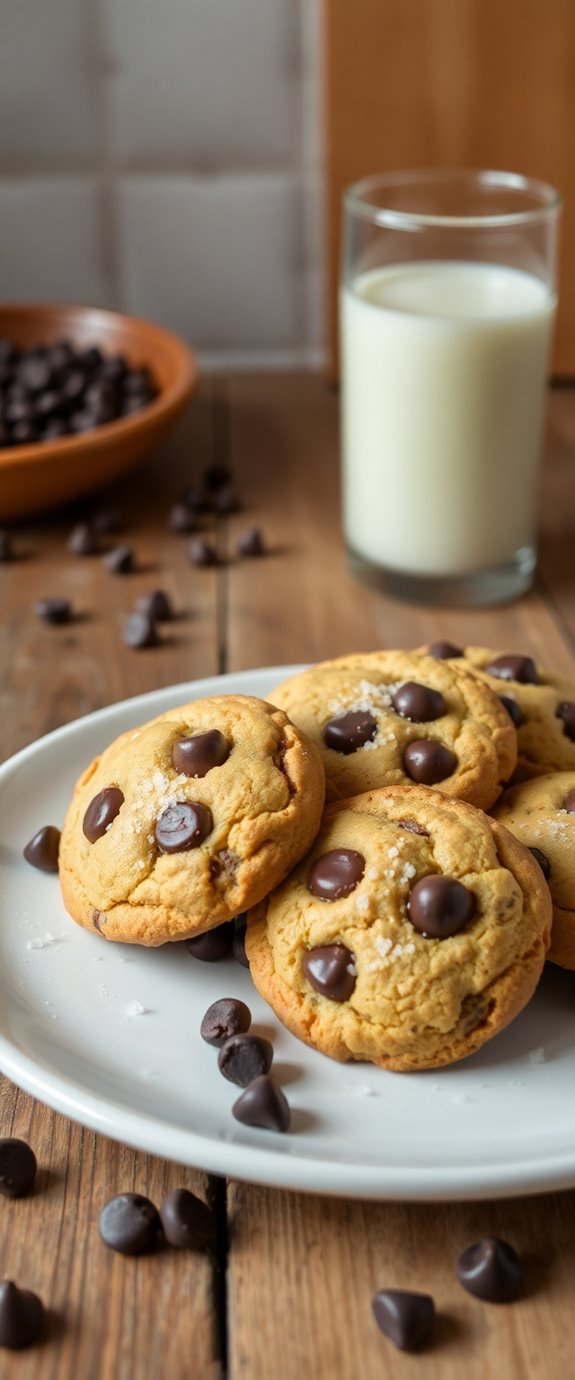
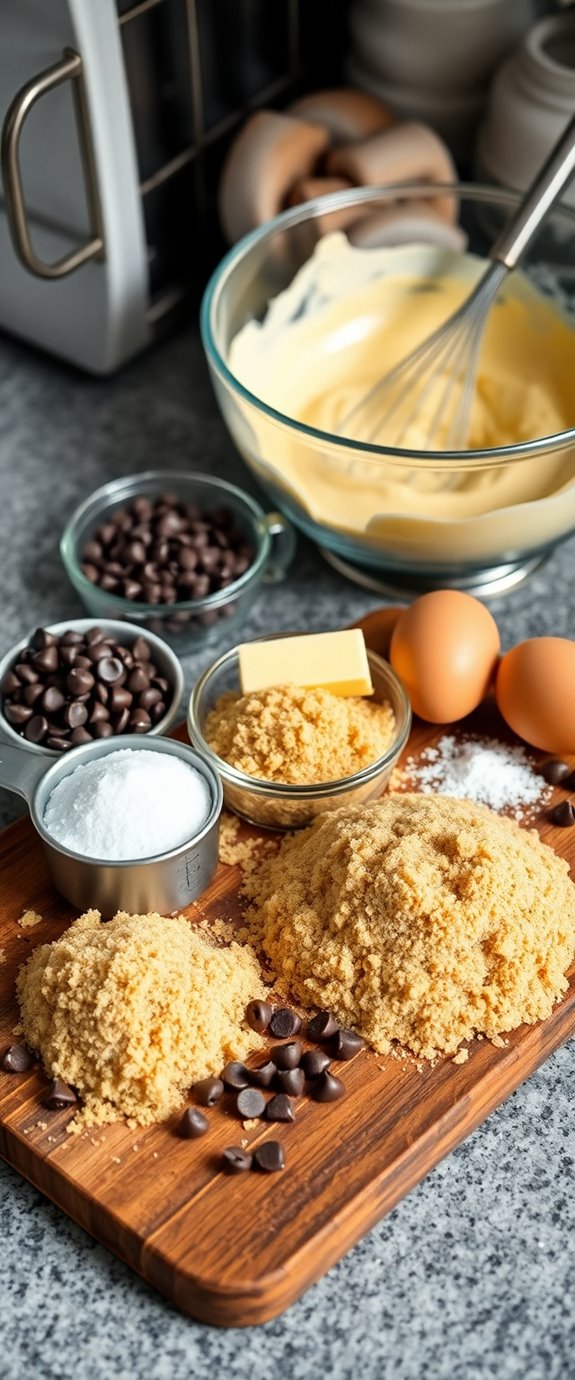
Is it possible to create delicious cookies without dairy? Many believe it can't be done, but this dairy-free cookie recipe proves otherwise. With the right combination of ingredients, you can achieve a soft, chewy texture that rivals traditional recipes. Curious about how to make these delightful treats and customize them to your taste? Let's explore the steps and options that will elevate your baking experience.
Recipe Tips and Tricks
- Use melted coconut oil and almond milk for a rich, dairy-free cookie base.
- Combine brown and granulated sugars for sweetness and texture.
- Fold in dairy-free chocolate chips or nuts for added flavor and crunch.
- Chill the dough before baking for improved cookie texture and consistency.
- Store cookies in an airtight container at room temperature or freeze for longer freshness.
How To Make It – Recipe

To make delicious dairy-free cookies, you'll want to gather your ingredients and prepare your kitchen for some baking fun! These cookies are perfect for anyone with lactose intolerance, dairy allergies, or simply those who prefer a plant-based diet. They can be customized with your favorite mix-ins, such as nuts, dairy-free chocolate chips, or dried fruits, making them a versatile treat for any occasion.
Before starting, it's crucial to verify that all your tools and ingredients are ready to go. Preheat your oven to 350°F (175°C) and line a baking sheet with parchment paper. This recipe yields soft, chewy cookies with a delightful flavor that everyone will enjoy, regardless of their dietary restrictions. Additionally, using gluten-free flour can make these cookies suitable for those with gluten sensitivities.
Let's plunge into the ingredients you'll need!
Ingredients:
- 1 cup coconut oil, melted
- 1 cup brown sugar
- 1/2 cup granulated sugar
- 1/4 cup almond milk (or any dairy-free milk)
- 1 teaspoon vanilla extract
- 3 cups all-purpose flour
- 1 teaspoon baking soda
- 1/2 teaspoon salt
- 1 cup dairy-free chocolate chips (optional)
- 1/2 cup chopped nuts (optional)
In a large mixing bowl, combine the melted coconut oil, brown sugar, and granulated sugar, mixing well until smooth. Add the almond milk and vanilla extract, stirring until fully incorporated.
In a separate bowl, whisk together the flour, baking soda, and salt. Gradually add the dry ingredients to the wet mixture, stirring until just combined. If you're using chocolate chips or nuts, fold them into the dough at this point.
Scoop tablespoon-sized portions of the dough onto the prepared baking sheet, spacing them about 2 inches apart. Bake for 10-12 minutes or until the edges are lightly golden. Allow the cookies to cool on the baking sheet for a few minutes before transferring them to a wire rack to cool completely.
When making these dairy-free cookies, consider experimenting with different types of dairy-free milk or sweeteners to find the flavor profile you enjoy the most. For a richer taste, you can toast the nuts before adding them to the dough.
Additionally, storing the cookies in an airtight container will keep them fresh for several days, or you can freeze them for longer-lasting treats. Enjoy your baking adventure!
Substitution Suggestions
There are plenty of delicious substitutions you can make to customize your dairy-free cookie recipe to suit your taste or dietary needs.
If you want a buttery flavor, try coconut oil or vegan butter as plant-based alternatives. For a creamier texture, use almond milk or oat milk instead of cow's milk.
You can swap traditional chocolate chips with dairy-free versions made from dark chocolate or carob. If you're looking for additional sweetness, consider maple syrup or agave nectar as natural, dairy-free options.
These simple changes will keep your cookies delightful while ensuring they remain completely dairy-free! Enjoy experimenting! Additionally, using coconut oil can enhance the overall flavor profile of your cookies.
Decorating Ideas
Decorating your dairy-free cookies can turn simple treats into stunning masterpieces that impress both the eyes and the taste buds.
Start with a base of vibrant icing, using natural food colorings for a beautiful palette. Experiment with cookie toppings like crushed nuts, dairy-free chocolate chips, or colorful sprinkles to add texture and flavor.
You can create creative designs by piping intricate patterns or using stencils for fun shapes. Don't forget to mix and match toppings to personalize each cookie! Additionally, using egg-free cookie recipes as a foundation ensures your treats are suitable for everyone.
With a little imagination, your dairy-free cookies will be a feast for the eyes, making every bite even more delightful.
Serving Suggestions
After you've crafted and decorated your dairy-free cookies, it's time to think about how to serve them for maximum impact.
Consider pairing your cookies with dairy alternatives like almond milk, coconut yogurt, or cashew cream for a delightful twist.
Arrange your cookies on a colorful platter, and add fresh fruit or edible flowers for an eye-catching presentation.
For a cozy touch, serve them alongside a warm cup of herbal tea or coffee.
Be creative with your cookie pairings, mixing flavors like chocolate with hazelnut milk or oatmeal with a dollop of coconut cream.
Your guests will love the thoughtful combinations! Additionally, consider offering a selection of gluten-free cookies to accommodate various dietary preferences, ensuring everyone can indulge in your delicious creations.
Make-Ahead and Storage
To guarantee your dairy-free cookies are always fresh and ready to enjoy, consider making them ahead of time.
The make-ahead benefits are endless—prepare your dough in advance and chill it for a couple of days, or freeze it for longer storage.
When you're ready to bake, simply slice and pop them in the oven!
Use airtight storage containers to keep your cookies fresh if they've already been baked.
This method not only preserves their deliciousness but also saves you time during busy weeks.
With a little planning, you'll always have a tasty treat on hand! Additionally, eggless cookies can be a great alternative for those with dietary restrictions.
How to Store Leftovers
While enjoying your freshly baked dairy-free cookies, it's easy to overlook how to properly store any leftovers.
To maintain cookie freshness, let them cool completely before storing. Place your cookies in an airtight container, layering parchment paper between them to prevent sticking.
For ideal leftover storage, keep them at room temperature for about a week. If you want to extend their life, consider freezing them. Just wrap each cookie in plastic wrap, then place them in a freezer-safe bag.
Additionally, be sure to check the cookie texture during storage; some cookies may become softer or harder depending on the method used.
This way, you can savor your delicious treats anytime without sacrificing taste or texture! Enjoy your leftovers!
Nutrition Facts(per serving)
When savoring your delicious dairy-free cookies, it's good to know what you're indulging in. Each cookie typically contains around 150 calories, making it a satisfying treat without overwhelming your daily intake.
Thanks to wholesome ingredients like almond flour and coconut oil, you're not just enjoying a tasty snack; you're also benefiting from healthy fats and essential nutrients. Almond flour offers protein and fiber, while coconut oil adds a delightful richness along with medium-chain triglycerides that can support energy levels. Additionally, these cookies are also egg-free treats that cater to various dietary preferences.
Final Thoughts
As you take a moment to reflect on your baking experience, it's clear that creating dairy-free cookies can be both rewarding and delicious.
By exploring vegan alternatives like almond milk and coconut oil, you've opened up a world of flavor and texture. Additionally, using different flour types can enhance the nutritional value and taste of your cookies.
Remember, the key baking tips, such as measuring accurately and allowing dough to chill, can make all the difference.
Don't hesitate to experiment with different ingredients or add-ins to personalize your cookies.
With each batch, you're not just making treats; you're crafting delightful moments to share.
Enjoy every bite, knowing you've mastered the art of dairy-free baking!
Recipe FAQs
Can I Use Gluten-Free Flour in This Recipe?
Yes, you can use gluten-free flour! Just keep in mind that it may alter the texture slightly. For the best results, consider adding a binding agent like xanthan gum. Experimenting can lead to delicious outcomes!
Are There Any Common Allergens in This Cookie Recipe?
Yes, common allergens like nuts or gluten might be present. Check the nutritional information carefully. If needed, you can make allergy substitutions, like using almond flour instead of regular flour, to accommodate different dietary needs.
How Do I Know When the Cookies Are Done Baking?
To know when your cookies are done baking, watch for a golden-brown color and a firm texture. They should slightly firm up while cooling, indicating perfect baking time and irresistible softness inside. Enjoy the deliciousness!
Can I Freeze the Dough Before Baking?
Sure, you can freeze the dough before baking! Master those freezing techniques for ideal dough storage, and you'll have fresh cookies ready whenever you crave them—no need to sacrifice your sweet tooth for time management!
What Is the Best Way to Soften Coconut Oil?
To soften coconut oil, use gentle melting methods. You can place the jar in warm water or microwave it briefly. Just be careful not to overheat; you want it softened, not completely melted!