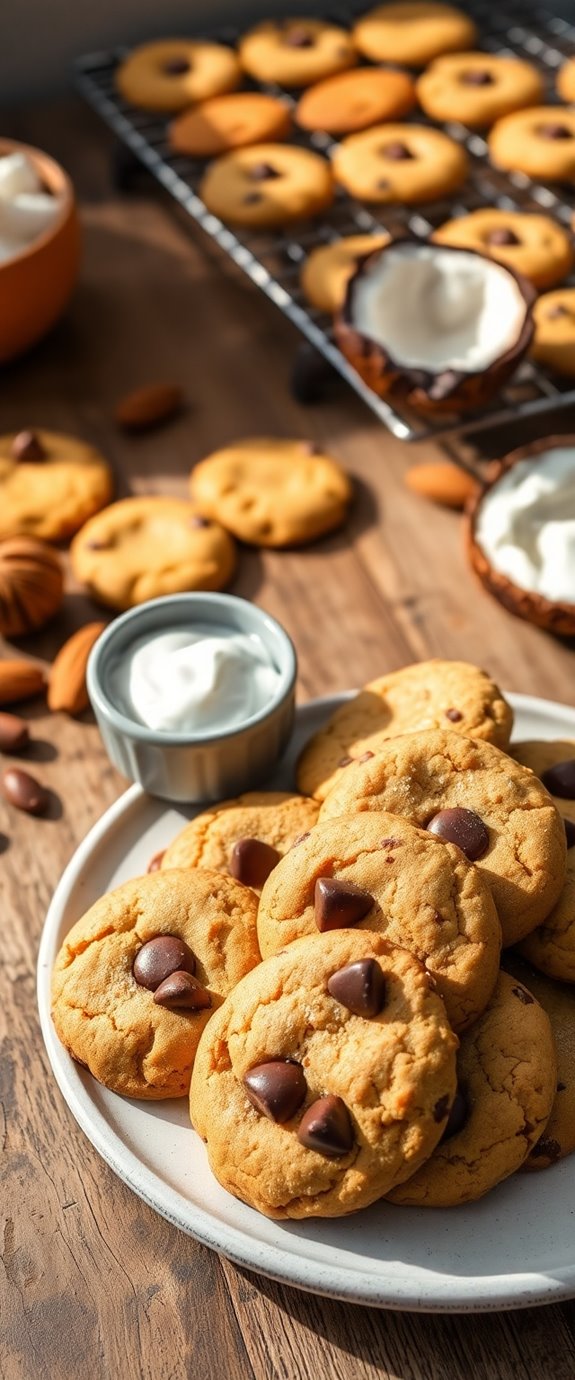
Cookies can symbolize comfort and indulgence, but for those managing diabetes, they often come with a side of concern. You want a sweet treat that satisfies without spiking blood sugar levels. Fortunately, there are diabetic-friendly cookie recipes that balance taste and nutrition. Discover how to create delicious cookies that fit into a diabetes management plan, ensuring you can enjoy a guilt-free snack. Curious about how to make these treats?
Recipe Tips and Tricks
- Use almond flour and coconut flour to create a low-carb, diabetic-friendly cookie base.
- Substitute refined sugars with erythritol or other preferred sugar substitutes for sweetness.
- Incorporate healthy fats and protein to enhance nutritional value while satisfying cravings.
- Chill the dough before baking for improved flavor and texture in the cookies.
- Store baked cookies in an airtight container for up to a week or freeze for longer preservation.
How To Make It – Recipe

Making diabetic-friendly cookies can be both enjoyable and rewarding, as you can create a delicious treat without compromising on health. These cookies are designed to satisfy your sweet tooth while being mindful of your blood sugar levels. With the right ingredients, you can whip up a batch that's both tasty and suitable for a diabetic diet. The key is to use alternatives to refined sugars and flours that are lower in carbohydrates while still providing the texture and flavor you love.
In this recipe, we'll use almond flour and a sugar substitute to create a delightful cookie that's easy to make and perfect for any occasion. Whether you're looking for a snack to enjoy at home or a dessert to impress your friends, these cookies are a fantastic option. Let's get started on this simple and satisfying recipe that will keep your cravings in check. Using almond flour can also add healthy fats and protein to your cookies.
Ingredients:
- 1 cup almond flour
- 1/4 cup coconut flour
- 1/2 cup erythritol or preferred sugar substitute
- 1/4 teaspoon baking powder
- 1/4 teaspoon salt
- 1/2 teaspoon vanilla extract
- 1 large egg
- 1/4 cup unsweetened cocoa powder (optional)
- 1/4 cup sugar-free chocolate chips (optional)
In a mixing bowl, combine the almond flour, coconut flour, erythritol, baking powder, and salt. In a separate bowl, whisk together the egg, vanilla extract, and cocoa powder if using. Gradually add the wet ingredients to the dry ingredients, mixing until a dough forms. If desired, fold in the sugar-free chocolate chips.
Preheat your oven to 350°F (175°C) and line a baking sheet with parchment paper. Scoop tablespoon-sized portions of the dough onto the prepared baking sheet, flattening them slightly. Bake for 10-12 minutes, or until the edges are golden brown. Allow the cookies to cool on the baking sheet for a few minutes before transferring them to a wire rack to cool completely.
When making diabetic cookies, it's important to measure your ingredients accurately, especially the sugar substitute, as different brands may have varying sweetness levels. Feel free to experiment with added flavors, such as cinnamon or nutmeg, to enhance the taste.
Always keep an eye on portion sizes, as even healthier cookies can contribute to your carbohydrate intake. Store any leftovers in an airtight container to maintain freshness, and enjoy your guilt-free treat!
Substitution Suggestions
While you might've your favorite ingredients for diabetic cookies, several substitutions can enhance flavor and maintain health benefits.
Consider using sugar alternatives like stevia or erythritol for sweetness without spiking blood sugar levels. These options offer a low-calorie profile while providing the desired taste.
For those needing gluten substitutes, almond flour or coconut flour works well, adding richness and fiber. You can also combine these flours for a more balanced texture.
Always check product labels for added sugars or fillers, ensuring you stick to your dietary needs while enjoying delicious cookies. Additionally, incorporating sugar-free options can further improve the health profile of your treats.
Your taste buds—and health—will thank you!
Decorating Ideas
After selecting your favorite ingredients and making healthy substitutions, it's time to focus on how to make your diabetic cookies visually appealing.
Consider cookie decorating with colorful, sugar-free icing or using natural food dyes for a vibrant touch. Edible decorations like unsweetened coconut or chopped nuts can add texture and interest.
For festive themes, shape your cookies into holiday symbols and use stencils for consistent designs. Sprinkling cinnamon or cocoa powder can enhance both flavor and aesthetics. Additionally, using low calories ingredients can help maintain the healthiness of your cookies while still making them look delicious.
Serving Suggestions
When it comes to serving your diabetic cookies, presentation matters just as much as taste. Consider pairing your cookies with fresh fruit or a small scoop of sugar-free yogurt for a balanced treat. This not only enhances flavor but also adds nutritional value.
Keep an eye on serving sizes; one or two cookies with a side of fruit can satisfy cravings without spiking blood sugar levels. For gatherings, arrange them on a decorative platter, and offer a variety of cookie pairings to cater to different tastes. This approach makes your cookies enjoyable while adhering to diabetic-friendly guidelines. Additionally, using low sugar ingredients can help maintain the sweetness without compromising health.
Make-Ahead and Storage
To make your diabetic cookies more convenient, you can prepare them ahead of time and store them properly.
The make-ahead benefits include saving time during busy weeks and ensuring you always have a healthy treat on hand.
To maximize freshness, consider chilling the dough before baking; this enhances flavor and texture.
Once baked, allow the cookies to cool completely.
For storage tips, keep them in an airtight container at room temperature for up to a week or freeze for longer storage. Additionally, using zero sugar alternatives can help maintain the cookies' sweetness without affecting blood sugar levels.
This way, you can enjoy your delicious cookies whenever you want, without compromising your dietary needs.
How to Store Leftovers
Storing leftovers from your diabetic cookie batch can help maintain their freshness and flavor. To guarantee ideal leftover storage, place the cookies in an airtight container. This prevents moisture and air exposure, which can lead to a decline in cookie freshness. If you want to keep them for longer, consider freezing the cookies. Just wrap each one in plastic wrap and place them in a freezer-safe bag. When you're ready to enjoy them, simply thaw at room temperature. Additionally, using gluten free flour in your cookie recipe can enhance texture and taste while keeping them suitable for those with dietary restrictions.
Nutrition Facts(per serving)
Understanding the nutrition facts of your diabetic cookies is essential for maintaining a balanced diet. Each serving typically contains around 80-100 calories, depending on the ingredients used.
Pay attention to the carbohydrate count, which usually ranges from 10-15 grams per serving. This helps you manage your blood sugar levels effectively.
Additionally, the fiber content can vary, so look for recipes that include whole grains or nuts to increase it. Incorporating deliciously healthy ingredients can also enhance the overall nutritional profile of your cookies.
Final Thoughts
While enjoying your diabetic cookies can be a delightful experience, it's important to remember that moderation and mindful choices are key to maintaining your health.
By opting for healthy alternatives, like almond flour and sugar substitutes, you can satisfy your sweet tooth without compromising your dietary needs. Incorporating diabetic-friendly adjustments not only makes your cookies enjoyable but also aligns with your health goals. Additionally, using gluten-free ingredients can enhance the texture and flavor of your cookies.
Always pay attention to portion sizes and frequency, ensuring that these treats fit into your overall meal plan.
With a balanced approach, you can indulge responsibly, making your cookie experience both satisfying and safe for your diabetes management.
Recipe FAQs
Can I Use a Sugar Substitute for This Recipe?
Absolutely, you can use sugar alternatives! Picture the sweet aroma of cookies wafting through your kitchen. Just remember to adjust your baking tips; some substitutes may require different ratios, enhancing flavor without the sugar spike.
Are These Cookies Gluten-Free?
Yes, these cookies can be gluten-free if you use gluten-free flours like almond or coconut. These alternatives can affect cookie textures, so experiment to find the balance between taste and consistency that you prefer.
How Long Do These Cookies Last?
These cookies typically last about one week at room temperature. To extend shelf life, store them in an airtight container. For longer storage, consider refrigerating or freezing them, following proper storage tips to maintain freshness.
Can Kids Enjoy These Diabetic Cookies?
Did you know that about 30% of kids are now more health-conscious? You can enjoy kid-friendly options like these cookies, packed with healthy ingredients. They're great for satisfying sweet tooths without sacrificing nutrition!
What Is the Best Way to Freeze These Cookies?
To freeze cookies effectively, use airtight containers or freezer bags for cookie storage. Label them with the date. For best results, consider freezing techniques like flash freezing before transferring them to guarantee they maintain freshness.