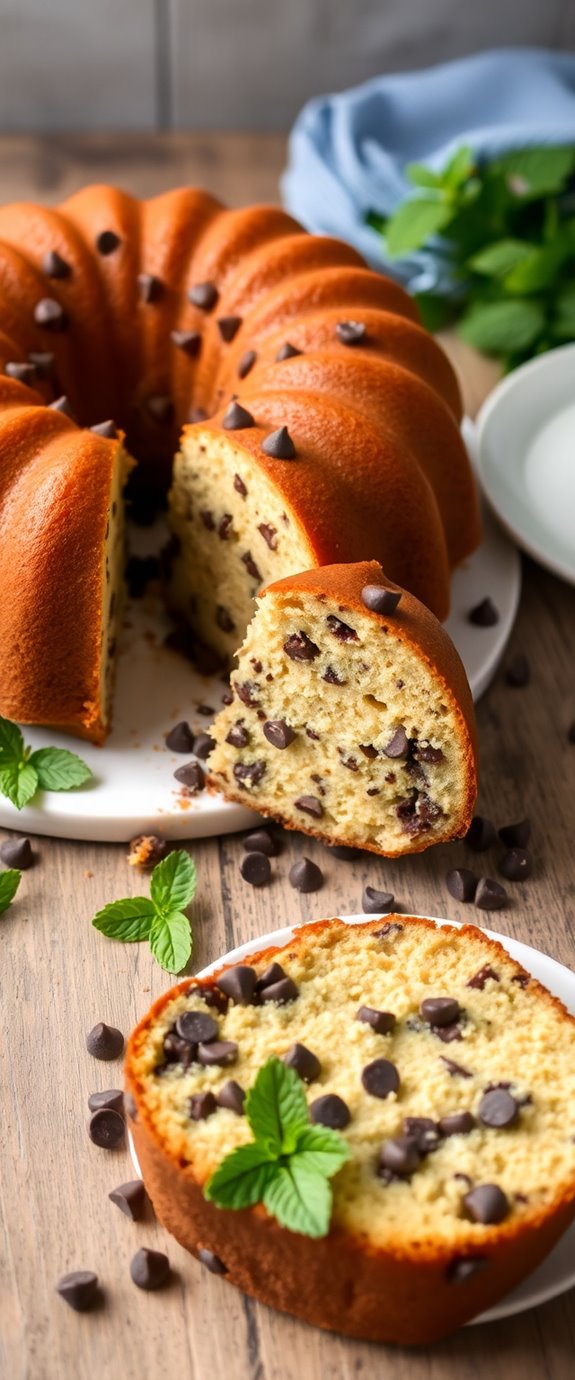
If you're looking for a lighter dessert that doesn't compromise on flavor, the Vanilla Without Butter Cake might just be your next go-to recipe. This cake balances moisture and fluffiness without the heaviness of traditional butter. You'll find that the combination of almond milk and simple ingredients creates a delightful base. But there's more to this cake than meets the eye—let's explore how to elevate it further.
Recipe Tips and Tricks
- Substitute unsalted butter with plant-based alternatives like coconut oil or dairy-free butter for a butter-free vanilla cake.
- Use almond milk or coconut milk instead of regular milk to maintain moisture in the cake.
- Incorporate dairy-free yogurt or applesauce for added richness and natural sweetness in the batter.
- Ensure to use room temperature ingredients for better mixing and a light texture in your cake.
- Add vanilla extract and optional flavor variations like almond extract or citrus zest for enhanced taste without butter.
How To Make It – Recipe

Vanilla cake is a classic dessert that's loved by many for its light, fluffy texture and delightful flavor. Whether it's for a birthday, a special occasion, or just a sweet treat to enjoy with your afternoon tea, this recipe will guide you through the steps to bake a perfect vanilla cake from scratch.
With simple ingredients and straightforward instructions, anyone can whip up this delicious dessert that will impress family and friends alike. To start, gather your ingredients and preheat your oven to 350°F (175°C). This vanilla cake recipe is versatile and can be enjoyed on its own or dressed up with your favorite frosting, fresh fruits, or a dusting of powdered sugar. The key to a successful cake is to guarantee that your ingredients are at room temperature and to mix them just until combined to maintain that light and airy texture.
Ingredients:
- 2 cups all-purpose flour
- 1 ½ cups granulated sugar
- ½ cup unsalted butter, softened
- 1 cup milk
- 3 ½ teaspoons baking powder
- 1 teaspoon vanilla extract
- ½ teaspoon salt
- 3 large eggs
To make the vanilla cake, start by creaming together the softened butter and granulated sugar in a large mixing bowl until the mixture is light and fluffy. Add in the eggs, one at a time, mixing well after each addition. Next, stir in the vanilla extract.
In a separate bowl, combine the flour, baking powder, and salt. Gradually add this dry mixture to the wet ingredients, alternating with the milk, and mix just until combined. Pour the batter into a greased and floured cake pan and bake for 25-30 minutes, or until a toothpick inserted into the center comes out clean. Allow the cake to cool in the pan for a few minutes before transferring it to a wire rack to cool completely.
When baking a vanilla cake, it's important to avoid overmixing the batter, as this can lead to a dense cake. Additionally, make sure to measure your ingredients accurately for the best results. If you're looking to add a personal touch, consider incorporating lemon zest or almond extract into the batter for a unique flavor twist.
Finally, don't forget to let the cake cool completely before frosting to prevent the frosting from melting. Deliciously Moist Vanilla Cake is the perfect way to enjoy your homemade vanilla cake! Enjoy your homemade vanilla cake!
Substitution Suggestions
If you find yourself short on a few ingredients, don't worry—there are plenty of substitution options to keep your vanilla cake delicious.
For a vegan alternative to eggs, try using flaxseed meal mixed with water or unsweetened applesauce. If you need oil substitutes, consider using unsweetened applesauce or mashed bananas for moisture, or even nut butters for richness.
For all-purpose flour, whole wheat flour or gluten-free blends work well, just adjust liquid as necessary.
Don't forget to swap in your favorite plant-based milk if you're out of regular milk.
Additionally, using almond flour can enhance the cake's texture and flavor, making it a delightful choice for those with dietary restrictions.
These adjustments guarantee your cake remains flavorful and enjoyable!
Decorating Ideas
While a vanilla cake is delicious on its own, decorating it can elevate your creation to a whole new level.
Start with a smooth layer of frosting options like cream cheese or whipped coconut for a light touch. Experiment with textures by using a spatula or piping bag to create swirls and peaks.
For added flair, choose cake toppers that reflect the occasion—think fresh flowers, themed figurines, or edible glitter. You can also sprinkle some chopped nuts or chocolate shavings around the edges for a rustic look.
Incorporating no eggs in cake can also add a unique twist to the flavor and texture of your dessert.
These simple touches can transform your cake into a stunning centerpiece that impresses everyone.
Serving Suggestions
A perfectly baked vanilla cake deserves thoughtful serving suggestions to enhance its enjoyment. Consider pairing your cake with fresh berries, a drizzle of chocolate ganache, or a scoop of vanilla bean ice cream for delightful contrasts.
For serving sizes, cut the cake into generous slices, ideally 1-2 inches wide, ensuring everyone gets a satisfying piece. If you're hosting, offer individual portions topped with whipped cream and a sprinkle of nuts.
Alternatively, present mini cakes for a charming touch. Remember, the right cake pairings elevate the experience, making each bite memorable and inviting for your guests. Additionally, a classic vanilla cake can be enhanced with vanilla bean flavoring for an even richer taste profile.
Make-Ahead and Storage
Preparing your vanilla cake in advance can save you time and guarantee it's fresh for your event. To extend its shelf life, consider freezing your cake. Wrap it tightly in plastic wrap and then aluminum foil to prevent freezer burn. For best results, freeze it within two days of baking. When you're ready to enjoy it, thaw the cake in the refrigerator overnight. If you've already frosted it, place it in the fridge instead of the freezer to maintain texture. Additionally, ensure you use moisture-retaining techniques to keep your cake tender and flavorful. Follow these freezing tips, and your vanilla cake will be just as delicious when it's time to serve!
How to Store Leftovers
After enjoying your delicious vanilla cake, you'll want to store any leftovers properly to keep them fresh.
For ideal leftover storage, wrap each slice in plastic wrap or aluminum foil to prevent air exposure, which can lead to dryness.
Place the wrapped slices in an airtight container or a resealable bag to enhance cake preservation.
If you're storing for more than a couple of days, consider freezing the slices. Confirm they're well-wrapped to avoid freezer burn.
When you're ready to enjoy, simply thaw at room temperature for a delightful treat that tastes just as fresh as the day you baked it! Additionally, ensuring that your cake is completely cool before wrapping helps maintain its moisture level for a better texture upon thawing.
Nutrition Facts(per serving)
While indulging in a slice of vanilla cake, you might wonder about its nutritional value. Each serving typically contains around 200 calories, depending on the exact ingredient breakdown.
The primary components include flour, sugar, and eggs, contributing carbohydrates and protein. You'll also find fats from oil or milk, though this recipe omits butter, reducing saturated fat. Additionally, the cake provides essential vitamins and minerals, like calcium from milk.
This cake recipe is designed to be healthier than traditional cakes, making it a great option for those looking to enjoy a treat without the extra calories.
Keep in mind that portion sizes can affect the caloric content, so enjoy responsibly. By understanding these facts, you can savor your treat while being mindful of your dietary choices.
Final Thoughts
Understanding the nutritional facts can enhance your experience with vanilla cake, allowing you to enjoy it mindfully.
As you bake, remember these baking tips: measure ingredients accurately and incorporate air into your batter for a light texture.
Don't hesitate to explore flavor variations; a splash of almond extract or citrus zest can elevate your cake.
Consider using alternative sweeteners or adding fruit to suit your dietary needs without sacrificing taste. Additionally, substituting dairy-free ingredients can help you create a cake that meets your dietary preferences.
By being conscious of both nutrition and creativity, you'll not only savor each bite but also gain satisfaction from creating a delightful dessert that aligns with your lifestyle.
Enjoy every slice!
Recipe FAQs
Can I Use a Different Type of Flour?
Yes, you can use different flour alternatives, but it'll affect the cake texture. For instance, almond flour creates a denser cake, while coconut flour absorbs moisture, leading to a drier outcome. Experiment to find your perfect balance!
How Can I Make This Cake Gluten-Free?
So, you want a gluten-free cake that won't taste like cardboard? Swap in gluten-free flours, like almond or coconut, and adjust your baking techniques—add xanthan gum for that delightful structure. Enjoy your guilt-free indulgence!
What Can I Substitute for Vanilla Extract?
If you're looking for vanilla alternatives, try almond extract or maple syrup. These flavor enhancements can elevate your dish, adding depth and richness while maintaining a delightful sweetness. Just remember to adjust quantities accordingly!
How Long Will It Take to Bake?
Baking time typically ranges from 25 to 35 minutes at 350°F. You'll know it's done when a toothpick inserted in the center comes out clean. Keep an eye on it to prevent overbaking!
Can I Add Fruit to the Batter?
Absolutely, you can add fruit to the batter! Consider options like blueberries, raspberries, or chopped peaches. These flavor combinations enhance sweetness, introduce moisture, and create a delightful texture, making your cake even more enjoyable.