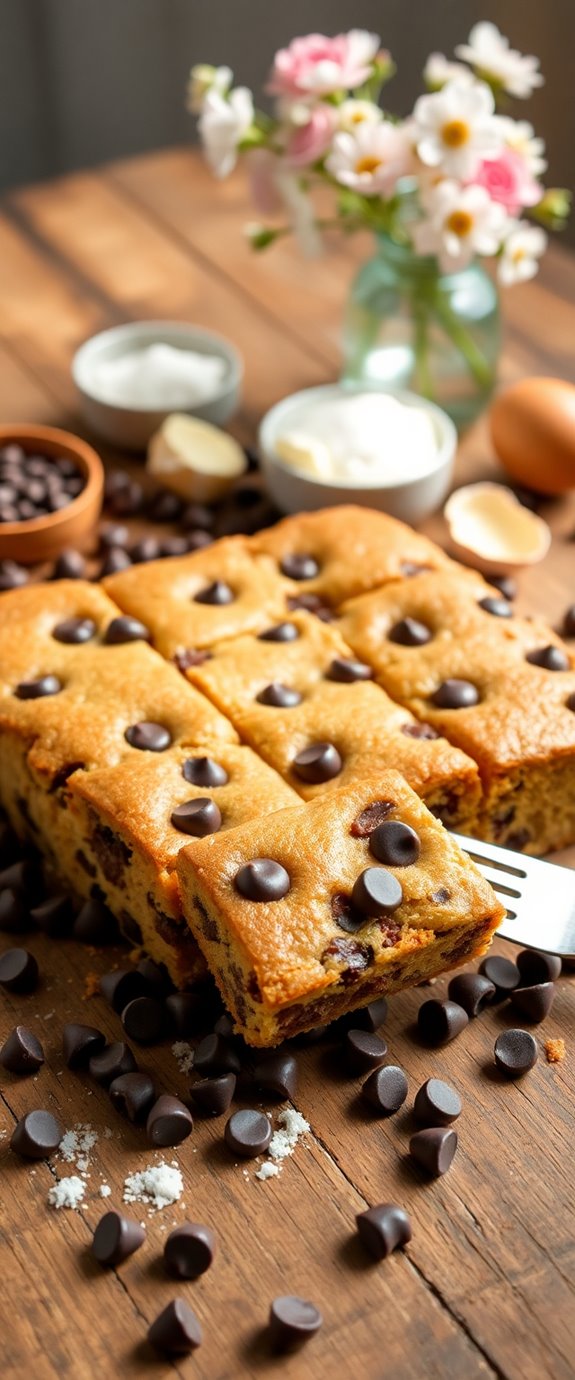
When you crave something sweet, when you want a guilt-free dessert, a low calorie carrot cake might just be the answer. This recipe highlights the natural sweetness of carrots while incorporating healthier substitutes. With a perfect balance of flavors and spices, it's not only delicious but also caters to various dietary needs. Curious about how to make this delightful treat? Let's explore the steps, substitutions, and more to create your own wholesome masterpiece.
Recipe Tips and Tricks
- Combine 2 cups of grated carrots with whole wheat flour, unsweetened applesauce, Greek yogurt, and eggs for a moist cake base.
- Bake the mixture at 350°F (175°C) for 25-30 minutes, ensuring it's cool before serving.
- Enhance flavor with spices like cinnamon and nutmeg, and add optional nuts or raisins for texture.
- Store leftover cake in an airtight container in the fridge for up to a week, or freeze individual slices.
- Experiment with substitutes like almond flour, honey, or additional fruits to customize the recipe to your taste.
How To Make It – Recipe
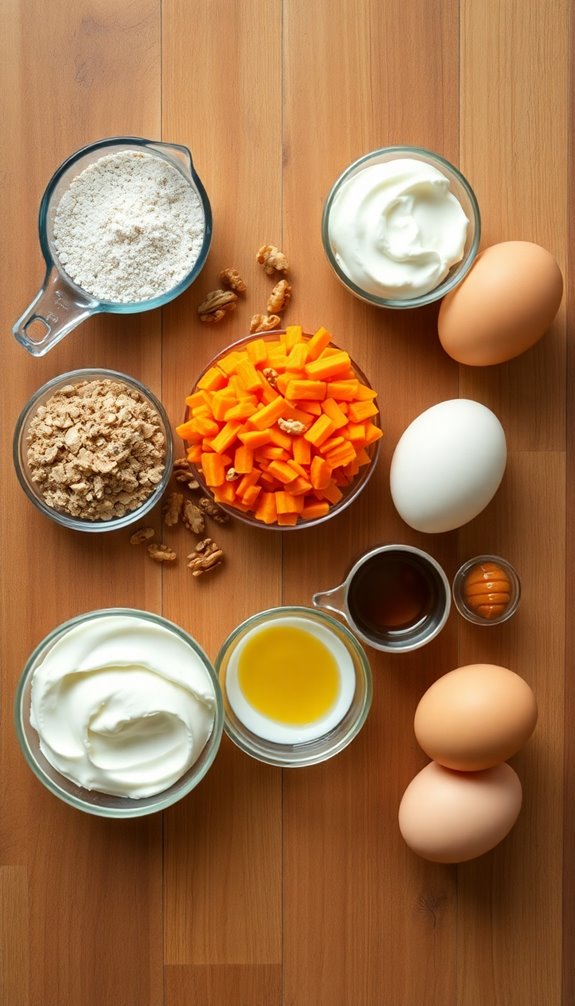
To make a delicious low-calorie carrot cake, you'll want to gather fresh ingredients that highlight the natural sweetness of the carrots while keeping the calorie count low. This recipe substitutes traditional high-calorie ingredients with healthier alternatives, ensuring that you can enjoy a slice of cake without the guilt. The moistness of the carrots combined with spices like cinnamon and nutmeg will create a delightful flavor profile that everyone will love. Additionally, using dairy-free substitutions can enhance the cake's moistness while catering to those with dietary restrictions.
Before you begin, it's crucial to preheat your oven to 350°F (175°C) and prepare your baking pan. You can use a round cake pan or a rectangular one, depending on your preference. Lightly grease the pan with cooking spray or line it with parchment paper to prevent sticking. This low-calorie carrot cake is perfect for a family gathering, a special occasion, or as a sweet treat to enjoy anytime.
Ingredients:
- 2 cups grated carrots
- 1 cup whole wheat flour
- 1/2 cup unsweetened applesauce
- 1/2 cup honey or maple syrup
- 1/4 cup low-fat Greek yogurt
- 2 large eggs
- 1 teaspoon baking soda
- 1 teaspoon baking powder
- 1 teaspoon ground cinnamon
- 1/2 teaspoon ground nutmeg
- 1/4 teaspoon salt
- 1/2 cup chopped walnuts (optional)
- 1/2 cup raisins (optional)
In a large mixing bowl, combine the grated carrots, whole wheat flour, baking soda, baking powder, cinnamon, nutmeg, and salt.
In a separate bowl, whisk together the applesauce, honey or maple syrup, Greek yogurt, and eggs until smooth. Gradually add the wet ingredients to the dry ingredients, stirring until just combined. If desired, fold in the walnuts and raisins.
Pour the batter into the prepared baking pan and bake for 25-30 minutes, or until a toothpick inserted into the center comes out clean. Allow the cake to cool in the pan for about 10 minutes before transferring it to a wire rack to cool completely.
When making this low-calorie carrot cake, consider using finely grated carrots for a smoother texture and even distribution throughout the cake. You can also experiment with adding spices like ginger or allspice for additional flavor.
If you prefer a sweeter cake, feel free to adjust the amount of honey or maple syrup. For a fun twist, top the cake with a light cream cheese frosting made from low-fat cream cheese and a bit of honey to keep it healthy!
Substitution Suggestions
If you're looking to customize your low-calorie carrot cake, several ingredient substitutions can enhance both flavor and nutrition.
Consider using unsweetened applesauce as a healthy swap for oil; it keeps the cake moist while cutting calories. For a lighter sweetness, try honey or agave syrup instead of granulated sugar.
You can also replace all-purpose flour with whole wheat flour or almond flour for added fiber and protein. If you're aiming for a nut-free option, ground flaxseed makes a fantastic alternative.
Additionally, incorporating carrots' natural sweetness can enhance the flavor profile of your cake without adding extra calories.
These ingredient alternatives not only keep your cake delicious but also boost its overall health benefits. Enjoy experimenting!
Decorating Ideas
While you might think that a low-calorie carrot cake can't be as visually appealing as its traditional counterpart, there are plenty of creative decorating ideas to transform it into a stunning centerpiece.
Consider using light cream cheese frosting or a whipped Greek yogurt frosting as your frosting options; both provide a delicious touch without the guilt.
For garnish ideas, sprinkle chopped walnuts or shredded coconut on top, or add a few edible flowers for an elegant finish.
You can even create a fun pattern with cinnamon or cocoa powder, making your cake not just tasty, but also a feast for the eyes! Additionally, incorporating oat flour into your recipe not only enhances the flavor but also adds a nutritious element to your cake.
Serving Suggestions
When hosting a gathering or simply enjoying a slice at home, serving your low-calorie carrot cake with thoughtful accompaniments can elevate the experience.
Consider pairing it with a dollop of Greek yogurt or a light cream cheese frosting for a revitalizing twist. For a delightful contrast, serve alongside fresh berries or a scoop of low-calorie vanilla ice cream.
Keep your serving sizes in mind; a modest slice allows guests to savor the flavors without overindulgence.
These carrot cake pairings not only enhance the taste but also create a visually appealing presentation that'll impress your family and friends. Additionally, using one layer carrot cake as a base simplifies the baking process while still delivering on flavor.
Enjoy every bite!
Make-Ahead and Storage
Preparing your low-calorie carrot cake in advance can save you time and guarantee it stays fresh for your gathering.
Try these make-ahead tips: bake your cake a day or two early and let it cool completely. Once cooled, wrap it tightly in plastic wrap to lock in moisture. For best freshness, store it in airtight storage containers. If you plan to frost the cake later, keep the frosting in a separate container until you're ready to serve. This way, you'll have a delicious, moist cake that's ready to impress your guests without the last-minute rush! Additionally, using low sugar options in your ingredients can enhance the cake's health benefits without sacrificing flavor.
How to Store Leftovers
To keep your leftover low-calorie carrot cake tasting fresh and delicious, follow these simple storage tips.
First, wrap each slice tightly in plastic wrap to prevent air exposure, which can dry it out.
For longer-term leftover storage, place the wrapped slices in an airtight container, and store them in the fridge for up to a week.
If you want to preserve it even longer, consider freezing individual slices; just make sure they're well-wrapped to maintain their moisture.
When you're ready to enjoy, let it thaw in the fridge overnight for perfect cake preservation. Additionally, moisture retention is crucial for keeping the cake tasty and enjoyable.
Enjoy every bite of your delightful treat!
Nutrition Facts(per serving)
After enjoying your delicious low-calorie carrot cake, it's good to know exactly what you're indulging in. Each slice typically contains around 150 calories, making it a guilt-free treat.
This cake isn't just low in caloric content; it's packed with health benefits too. Carrots provide a boost of vitamins A and K, while walnuts add healthy fats and protein. Additionally, using natural sweeteners helps keep sugar levels in check, allowing you to satisfy your sweet tooth without the extra calories.
Final Thoughts
While indulging in a slice of low-calorie carrot cake, you can feel confident about making a delicious choice that aligns with your health goals.
This treat proves that you don't have to sacrifice flavor for nutrition. With some simple baking tips, like using applesauce for moisture and experimenting with flavor variations—think pineapple or nuts—you can create a cake that's uniquely yours. Additionally, using dairy-free alternatives can enhance the cake's texture while keeping it light and fluffy.
Remember, each slice is a celebration of wholesome ingredients and clever substitutions.
Recipe FAQs
Can I Use Whole Wheat Flour Instead of All-Purpose Flour?
Using whole wheat flour instead of all-purpose flour is like trading a gentle stream for a rushing river; you'll gain whole wheat benefits but notice a denser flour texture. Adjust moisture for the best results!
How Long Does It Take to Bake the Cake?
Baking time usually ranges from 25 to 35 minutes, depending on your oven. To guarantee it's done, use a toothpick for cake testing; it should come out clean when the cake's perfectly baked!
Is This Recipe Suitable for Gluten-Free Diets?
You can easily make this recipe gluten-free by swapping regular flour with gluten-free substitutes. Just keep in mind a few baking tips to guarantee your cake stays moist and delicious. Enjoy your delightful creation!
Can I Add Nuts or Raisins to the Recipe?
Absolutely, you can add nuts or raisins! Nuts offer healthy fats and protein, enhancing the dish's nut benefits, while raisins provide natural sweetness and moisture, creating a delightful texture variation that elevates your baking experience.
What Type of Frosting Pairs Well With This Cake?
For a delicious pairing, try cream cheese frosting for its rich, tangy flavor, or opt for a lighter yogurt frosting that adds a revitalizing twist. Both elevate the cake while enhancing its delightful spices and sweetness.