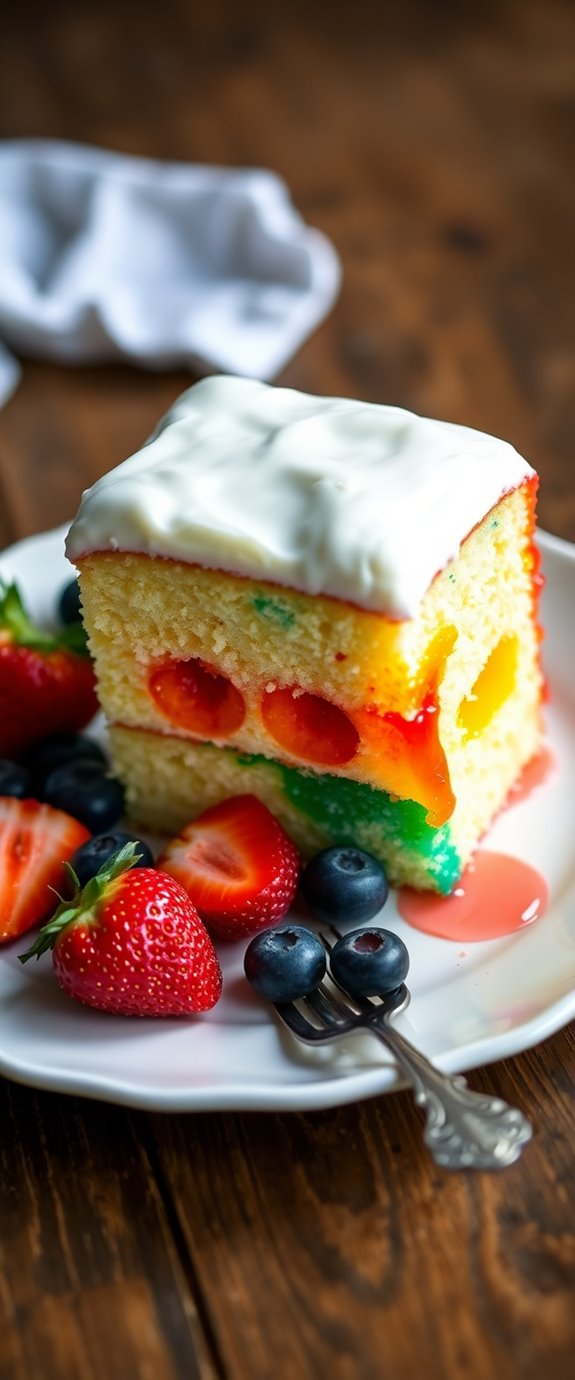
When you think about baking a cake, you might immediately picture butter as a key ingredient. But have you considered using oil instead? This simple switch can lead to a cake that's incredibly moist and tender, making it perfect for any occasion. Plus, the preparation is quicker and easier. Curious about how to make this delightful treat? Let's explore the recipe and discover the possibilities that await you.
Recipe Tips and Tricks
- Oil-based cakes are moist and tender, making them a delightful option for any occasion.
- The preparation is quicker and simpler compared to traditional butter-based cakes.
- Customize your cake with flavors like vanilla, almond, or citrus zest for added variety.
- Mix-ins such as chocolate chips, nuts, or dried fruits enhance texture and taste.
- Store leftovers tightly wrapped or frozen to maintain freshness and moisture.
How To Make It – Recipe
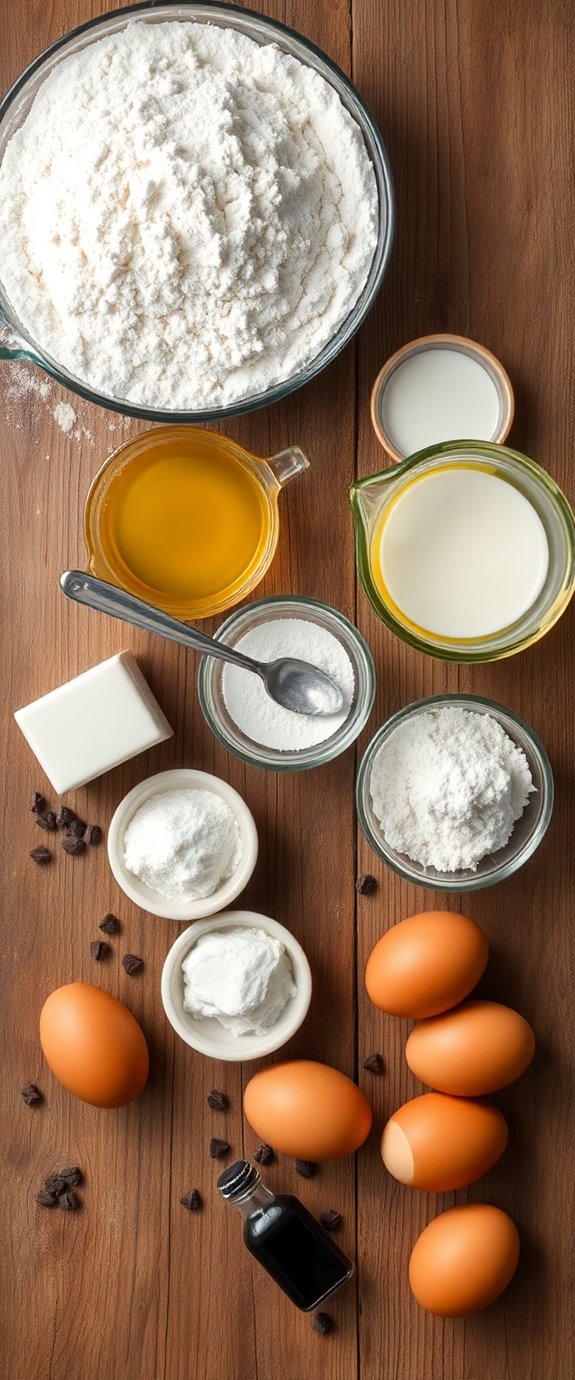
Making a cake with oil is a delightful way to achieve a moist and tender texture that's hard to resist. Utilizing oil instead of butter not only enhances the cake's moisture but also makes the preparation process quicker and simpler. This method is perfect for bakers looking for a straightforward recipe that yields delicious results every time. Whether it's for a special occasion or a simple afternoon treat, this cake is sure to please.
This oil-based cake can be easily customized to suit your taste preferences. You can add flavorings such as vanilla, almond, or citrus zest, or incorporate mix-ins like chocolate chips, nuts, or dried fruits. The versatility of this recipe allows you to be creative in the kitchen while still producing a classic dessert that everyone will enjoy.
Ingredients:
- 2 cups all-purpose flour
- 1 cup granulated sugar
- 1/2 cup vegetable oil
- 1 cup milk
- 3 large eggs
- 1 tablespoon baking powder
- 1 teaspoon vanilla extract
- 1/2 teaspoon salt
In a large mixing bowl, combine the flour, sugar, baking powder, and salt. In a separate bowl, whisk together the oil, milk, eggs, and vanilla extract until well blended. Gradually add the wet ingredients to the dry ingredients, mixing until just combined. Be careful not to overmix; a few lumps are perfectly fine.
Pour the batter into a greased and floured cake pan and bake in a preheated oven at 350°F (175°C) for 30-35 minutes or until a toothpick inserted into the center comes out clean. Allow the cake to cool in the pan for 10 minutes before transferring it to a wire rack to cool completely.
When baking this oil cake, consider experimenting with different types of oil for unique flavors, such as coconut or olive oil. Additionally, you can enhance the cake further by adding a simple glaze or frosting once it cools.
Make sure to properly measure your ingredients for the best outcome, and always keep an eye on the baking time, as ovens can vary. Remember that a delicious homemade cake can bring joy to any gathering. Enjoy your baking adventure!
Substitution Suggestions
While you might've all the ingredients on hand, sometimes you'll want to make substitutions to cater to dietary needs or pantry availability.
For instance, if you're out of vegetable oil, consider using canola or sunflower oil for a neutral flavor profile. If you're looking to add a twist, try coconut oil for a subtle sweetness or olive oil for a fruity note.
If you need a butter alternative, applesauce or yogurt can work well, adding moisture without compromising texture. Additionally, using different oil types can markedly alter your cake's flavor, so choose wisely based on your desired outcome!
Decorating Ideas
After you've perfected your cake recipe with oil and let it cool, it's time to get creative with decorating.
Start with smooth frosting techniques—consider using a spatula for a rustic finish or a piping bag for elegant swirls.
For themed decorations, think outside the box: edible flowers for a spring vibe, or chocolate shavings for a winter wonderland.
You can even use fruit slices or sprinkles to match your occasion.
Don't forget to personalize it with a fun cake topper or message.
Additionally, a rich ganache chocolate cake can elevate your dessert to an indulgent experience.
Let your imagination run wild, and make your cake a stunning centerpiece for any celebration!
Serving Suggestions
How can you elevate the experience of serving your delicious oil-based cake? Start by considering the perfect serving size; cut generous slices that invite indulgence.
Enhance the flavors with delightful pairings! A scoop of vanilla ice cream or a dollop of whipped cream complements the richness of your cake beautifully. Don't forget fresh berries—they add a burst of freshness and vibrant color.
For an extra touch, drizzle a warm chocolate or caramel sauce over the top. Finally, serve your cake on a decorative platter to make it visually appealing. Additionally, consider incorporating oil-based cakes into your dessert repertoire for a moist and flavorful treat.
These simple suggestions will transform your cake into a memorable dessert experience!
Make-Ahead and Storage
To guarantee your oil-based cake stays fresh and delicious, consider making it ahead of time. The make-ahead benefits are numerous; you can save time on busy days and impress guests with a homemade treat. Additionally, cake made at home can be a delightful way to showcase your baking skills.
Once your cake has cooled completely, wrap it tightly in plastic wrap or place it in storage containers to lock in moisture. If you're planning to frost it later, store the layers separately to prevent sticking.
How to Store Leftovers
While you might think your oil-based cake is best enjoyed fresh, knowing how to store leftovers can help maintain its deliciousness for days to come.
For ideal leftover storage, wrap individual slices in plastic wrap or place them in an airtight container. This protects the cake from drying out and absorbs unwanted odors.
If you want to preserve it for longer, consider freezing the slices. Just make sure to wrap them tightly, then pop them in a freezer-safe bag. Gluten free cake can be especially sensitive to storage methods, so following these tips will help maintain its texture and flavor.
When you're ready to enjoy, simply thaw at room temperature. With these tips, your cake preservation game will be on point!
Nutrition Facts(per serving)
Each slice of your oil-based cake offers a delightful balance of flavors and textures, but it's also important to be mindful of its nutritional content.
With an average caloric content of around 300 calories per serving, you'll want to reflect on the ingredient breakdown. The oil contributes healthy fats, while sugar adds sweetness and moisture. Flour provides structure, and eggs enhance richness. Additionally, using oil in cakes can improve the cake's texture and prolong its freshness.
Keep in mind that portion sizes influence overall intake. By enjoying in moderation, you can savor your cake without compromising your health goals.
Final Thoughts
As you savor each slice of your oil-based cake, remember that baking is as much about the experience as it's about the end result.
Embrace the joy of experimenting with flavor variations; consider adding citrus zest, chocolate chips, or nuts to elevate your creation. Additionally, incorporating deliciously moist almond cake can introduce a unique texture and flavor to your oil-based cake.
Don't forget essential baking tips, like measuring ingredients accurately and preheating your oven. These small details can make a significant difference in texture and taste.
Whether you're baking for a special occasion or a simple treat, each bite will remind you of the delightful journey you've taken.
Happy baking, and enjoy your delicious masterpiece!
Recipe FAQs
Can I Use Coconut Oil Instead of Vegetable Oil?
Ever wondered how a simple swap could elevate your dish? Yes, you can use coconut oil instead of vegetable oil! Its unique flavor and health benefits make it a fantastic substitute in many recipes.
How Does Oil Affect the Cake's Texture?
Oil greatly impacts your cake's texture by enhancing moisture retention, which contributes to its softness. When you use oil, your cake stays tender longer, giving it that delightful, melt-in-your-mouth quality everyone loves.
Is Cake Made With Oil Denser Than Butter Cakes?
Cake made with oil isn't necessarily denser than butter cakes. Oil benefits include moisture retention, which can create a lighter texture. So, you'll often find oil cakes pleasantly airy, despite a common misconception about cake density.
What Type of Oil Works Best for Cakes?
When choosing oil for cakes, you'll find that canola oil offers a neutral flavor, while olive oil adds a fruity richness. Both create moist textures, but your choice depends on the flavor profile you prefer.
Can I Add Flavored Oils for Extra Taste?
Absolutely, you can add flavored oils for extra taste! Experimenting with different oil types enhances your cake's flavor profile, creating a unique dessert experience. Just remember to balance the flavors for a delicious result. Enjoy baking!