Last reviewed: May 2026
Achieving flawless bridal makeup ensures confidence and beauty on your wedding day. This guide covers essential steps for a stunning, long-lasting look that photographs beautifully.
I understand the pressure to look perfect, and I’m here to demystify the process, whether you’re considering a professional artist or planning a DIY approach. Many brides search for “bridal makeup near me” to find local experts, but understanding the fundamentals empowers you to make informed decisions. I’ll share insights into everything from skin preparation to product selection, ensuring your makeup stays impeccable from the first photo to the last dance.
In this guide, you’ll learn how to choose the right products, master application techniques, and avoid common pitfalls. I’ll cover how to communicate your vision to a makeup artist, what questions to ask during a trial, and even how to estimate typical bridal makeup price ranges. My goal is to equip you with the knowledge to achieve a radiant, unforgettable wedding day aesthetic.
Based on our experience, a well-executed bridal makeup plan involves several key stages:
- Pre-Wedding Skin Preparation: Starting a dedicated skincare routine months in advance is crucial for a smooth canvas.
- Product Selection: Choosing long-wearing, photo-friendly products that suit your skin type and the wedding environment.
- Professional Trial: A practice run with your chosen artist to finalize the look and ensure longevity.
- Day-Of Application: Expert application techniques to ensure your makeup lasts from ceremony to reception.
- Touch-Up Essentials: Having a small kit for minor adjustments throughout the day.
According to experts at The Knot, the key to a successful wedding day look is thorough preparation and clear communication with your makeup artist.
What do I need to do bridal makeup?
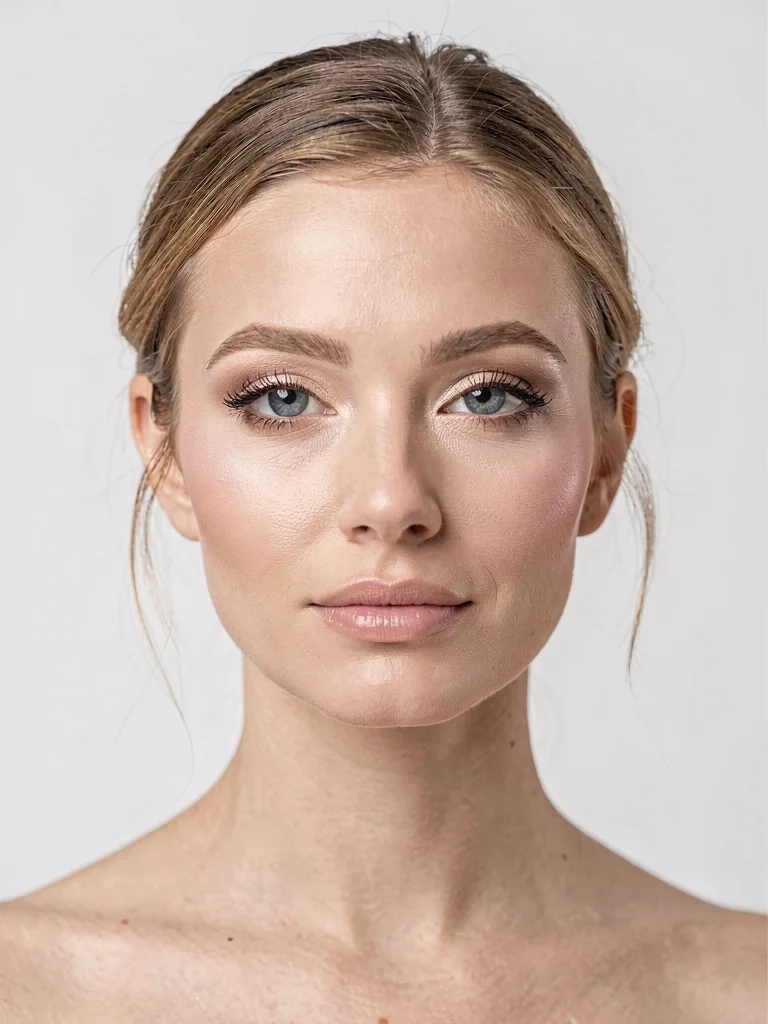
To do bridal makeup effectively, you need a curated selection of high-quality, long-wearing products, appropriate tools, and a clear understanding of application techniques. I always recommend starting with a well-prepped canvas, meaning a consistent skincare routine leading up to the wedding day. This ensures your skin is hydrated and smooth, allowing makeup to sit better and last longer.
For product selection, focus on items specifically formulated for longevity and photography. Think about a primer that suits your skin type, a foundation with buildable coverage that won’t flashback, and waterproof mascara and eyeliner. Many brides overlook the importance of setting sprays, but a good one can extend wear time by several hours, especially for outdoor weddings or humid climates.
com/story/best-makeup-setting-sprays)).
Your bridal makeup kit should also include:
- Oil-absorbing sheets or blotting papers for touch-ups without disturbing makeup.
- A reliable concealer for any last-minute imperfections.
- A long-wear lipstick or stain, plus a matching lip liner.
- Individual or strip lashes to enhance eye definition in photos.
What are the 5 things a bride needs checklist?
A bride needs a comprehensive checklist covering skin prep, product selection, trial runs, touch-up essentials, and communication with her artist to ensure a flawless wedding day look. I’ve found that meticulous planning in these five areas prevents most common bridal makeup issues.
Here are the five essential items for a bride’s makeup checklist:
- Pre-wedding skincare regimen: Begin a consistent skincare routine at least 3-6 months before the wedding to address concerns like hydration, acne, or uneven tone, creating the best canvas for makeup. Many dermatologists recommend starting early for optimal results American Academy of Dermatology.
- Professional makeup trial: Schedule a trial run 1-2 months before the wedding to finalize your desired look, test product longevity, and ensure you and your artist are aligned. This also helps identify any potential sensitivities to products. According to experts in the bridal beauty industry, a trial run is non-negotiable for achieving a stress-free wedding day.
- Emergency touch-up kit: Beyond the basics, include items like a small mirror, cotton swabs for smudges, and a travel-size hairspray for flyaways. I always advise my clients to pack a mini dental kit too, for fresh breath and a bright smile.
- Clear communication with your artist: Provide your makeup artist with inspiration photos, details about your dress, hair, and wedding theme, and be explicit about your comfort level with different makeup styles. This ensures your vision for your bridal makeup look is fully understood.
- Post-ceremony refresh plan: Consider how you’ll transition your makeup from day to night, especially if you have an evening reception. This might involve a bolder lip color or a quick dusting of shimmer.
12 Easy Steps to Doing Your Own Bridal Makeup at Home
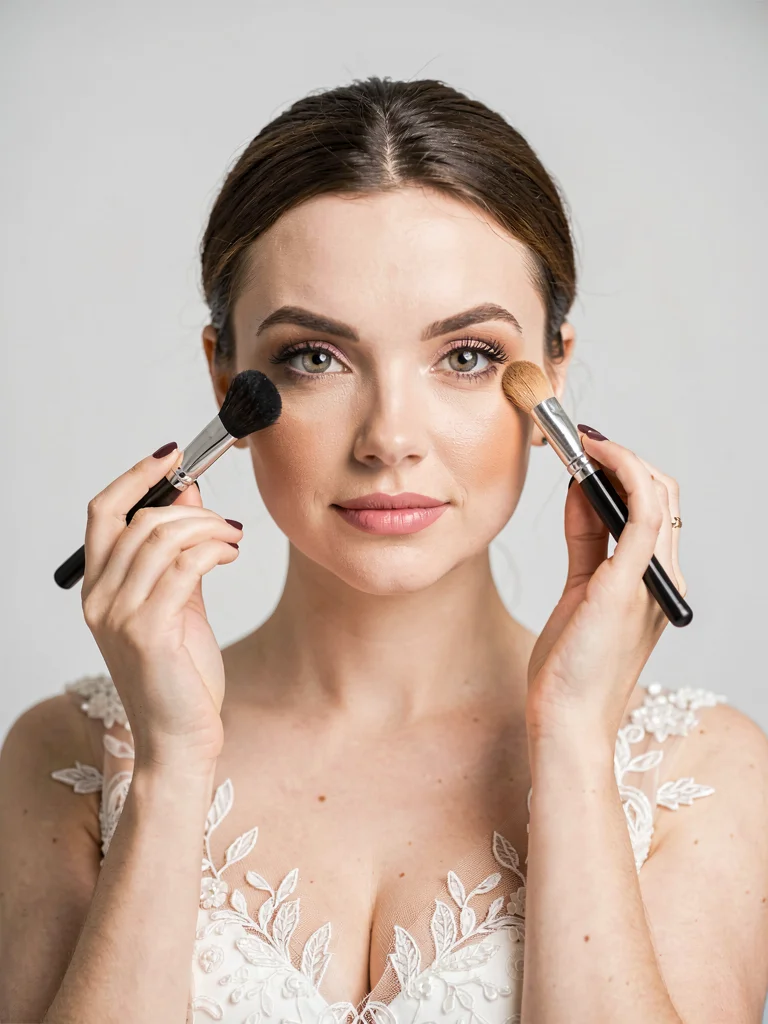
Achieving a flawless bridal makeup look at home is entirely possible with a structured approach. I always recommend starting with a clean, well-hydrated face to ensure makeup applies smoothly and lasts all day. This foundation is crucial for any long-wear application. Research shows that proper skin preparation is the most critical step for makeup longevity and a smooth finish, especially for significant events like weddings.
Here are 12 steps I guide my clients through for their DIY wedding day makeup:
- Prep your skin: Apply a lightweight moisturizer and a primer suited for your skin type to create an even base and extend makeup wear.
- Correct and conceal: Use a color corrector for any redness or dark circles, then apply a full-coverage, long-wearing concealer to brighten and even out your skin tone.
- Apply foundation: Blend a long-lasting, photo-friendly foundation evenly across your face and neck, building coverage as needed. For tips on choosing the right foundation shade, consult resources like Allure Magazine’s Foundation Guide.
- Set with powder: Lightly dust translucent setting powder over your T-zone and under-eye area to control shine and lock in your base.
- Define brows: Fill in and shape your eyebrows with a pencil or powder, then set them with a clear brow gel for all-day hold.
- Prime eyelids: Apply an eyeshadow primer to prevent creasing and intensify shadow colors.
- Create your eye look: Build your desired eyeshadow look, focusing on neutral tones that enhance your eyes without being too distracting.
- Apply eyeliner: Use a waterproof liquid or gel eyeliner for a precise, long-lasting line.
- Curl lashes and apply mascara: Curl your lashes thoroughly, then apply several coats of waterproof mascara. Consider adding individual or strip lashes for extra drama and definition in photos.
- Contour and highlight: Lightly contour your cheekbones, jawline, and temples, then apply a subtle highlighter to the high points of your face.
- Add blush: Sweep a long-wearing blush onto the apples of your cheeks for a natural flush.
- Line and fill lips: Outline your lips with a lip liner that matches your chosen long-wear lipstick, then fill them in completely. For advice on long-lasting lip color, see Vogue’s tips for smudge-proof lipstick.
For a visual guide, I often suggest watching tutorials like Lisa Eldridge’s Bridal Makeup Tutorial, which can demonstrate these techniques effectively. Remember, practice makes perfect, so try your full look a few times before the big day.
Which Makeup is Best for Bridal?
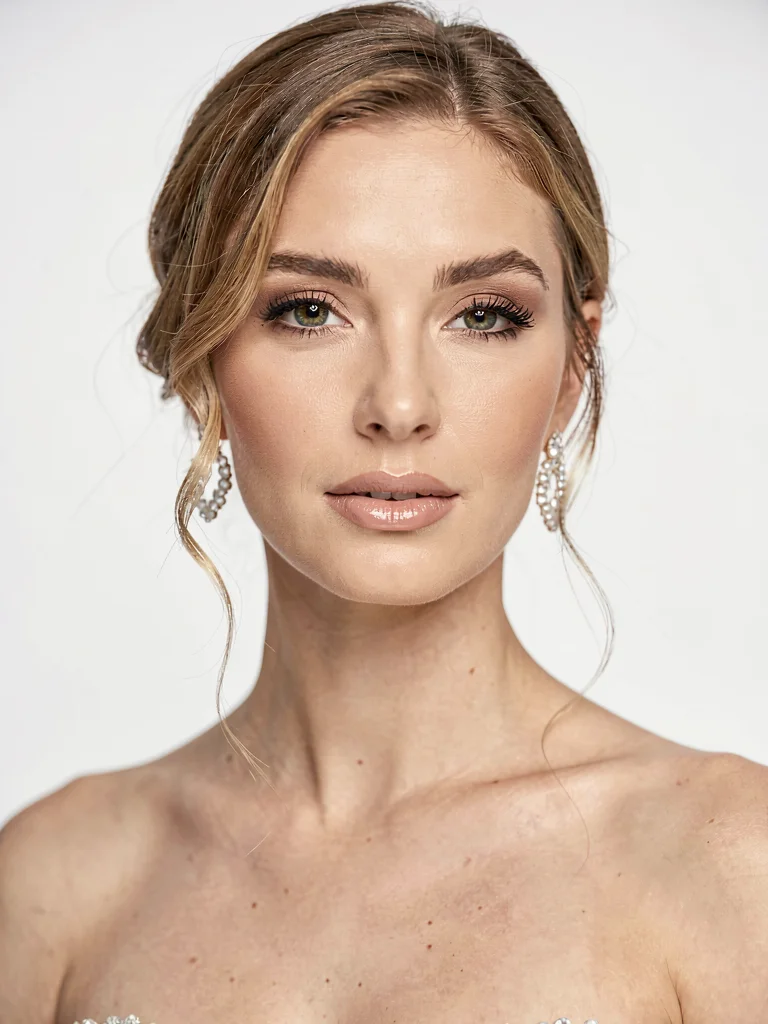
Selecting the best makeup for your wedding day involves prioritizing longevity, photo-friendliness, and comfort. I always recommend products specifically formulated for extended wear, as your makeup needs to last through hours of photos, tears, and dancing. This often means choosing waterproof and transfer-resistant formulas that can withstand various conditions without smudging or fading.
For foundation, I suggest a medium-to-full coverage option with a natural matte or satin finish to prevent flashback in photos. Many professional makeup artists, for example, favor silicone-based foundations for their durability and smooth application, as noted by Makeup Artist Magazine. Avoid foundations with heavy SPF, which can sometimes create a white cast in flash photography.
Beyond foundation, consider these essential product types for a flawless bridal makeup look:
- Waterproof mascara and eyeliner: These are non-negotiable to prevent smudging from tears or humidity.
- Long-wearing lip products: A matte or satin liquid lipstick or a lip stain paired with a liner will offer the best staying power.
- Setting spray: A high-quality setting spray is crucial for melting all layers together and extending wear for up to 16 hours, according to Allure.
- Cream blush and contour: These tend to look more natural and last longer than powder formulas, especially when layered. Based on our experience, cream products blend seamlessly into the skin, providing a more radiant and less “caked-on” appearance, which is ideal for bridal photography.
What is a Normal Price for Bridal Makeup?
The normal price for bridal makeup in the United States typically ranges from $200 to $600, depending on location, artist experience, and package inclusions. This range often covers the bride’s makeup application, but additional services can increase the total cost. For instance, a bridal makeup artist in a major metropolitan area like New York City might charge upwards of $800, while artists in smaller towns could start closer to $150.
Factors influencing this price include the artist’s reputation, their level of demand, and the specific products they use. Many artists offer tiered packages, with basic options covering just the bride and premium packages including services for bridesmaids or mothers of the couple. A bridal makeup trial, which I always recommend, is often a separate charge, typically ranging from $75 to $200.
This trial ensures you and your artist are aligned on the desired bridal makeup look before the wedding day.
Travel fees are also common if the artist needs to commute to your venue, especially for locations outside their standard service area. Some artists may also require a minimum booking for a certain number of faces, or charge an early morning fee for appointments before 7 AM. Always clarify all potential costs upfront to avoid surprises, as advised by The Knot.
Based on our experience and industry averages, here’s a breakdown of common pricing factors for bridal makeup:
- Artist’s Experience & Reputation: Highly sought-after artists with extensive portfolios and glowing reviews command higher rates.
- Geographic Location: Prices are significantly higher in major metropolitan areas compared to rural or suburban regions.
- Package Inclusions: Basic packages usually cover just the bride, while premium packages might include services for the bridal party, touch-up kits, or extended hours.
- Trial Run: A separate, essential service to finalize your look, typically charged at a reduced rate compared to the wedding day application.
- Additional Fees: These can include travel fees, early morning fees, or fees for additional artists if a large bridal party needs to be serviced quickly.
To illustrate the typical cost variations, consider this comparison:
| Service/Factor | Small Town Artist (Entry-Level) | Mid-Range City Artist (Experienced) | Major Metro Artist (High-Demand) |
|---|---|---|---|
| Bride’s Makeup | $150 – $250 | $300 – $500 | $600 – $1000+ |
| Trial Run | $75 – $125 | $150 – $200 | $200 – $350 |
| Bridesmaid Makeup | $75 – $100 per person | $120 – $180 per person | $180 – $250 per person |
| Travel Fee (50 miles) | $0 – $50 | $50 – $100 | $100 – $200+ |
Research shows that the average cost of wedding makeup in the U.S. has steadily increased over the past decade, reflecting rising demand and the specialized skills involved. For a comprehensive understanding of what goes into pricing, it’s always best to request a detailed quote from potential artists.
Bridal Makeup Looks: Natural, Glam, and More
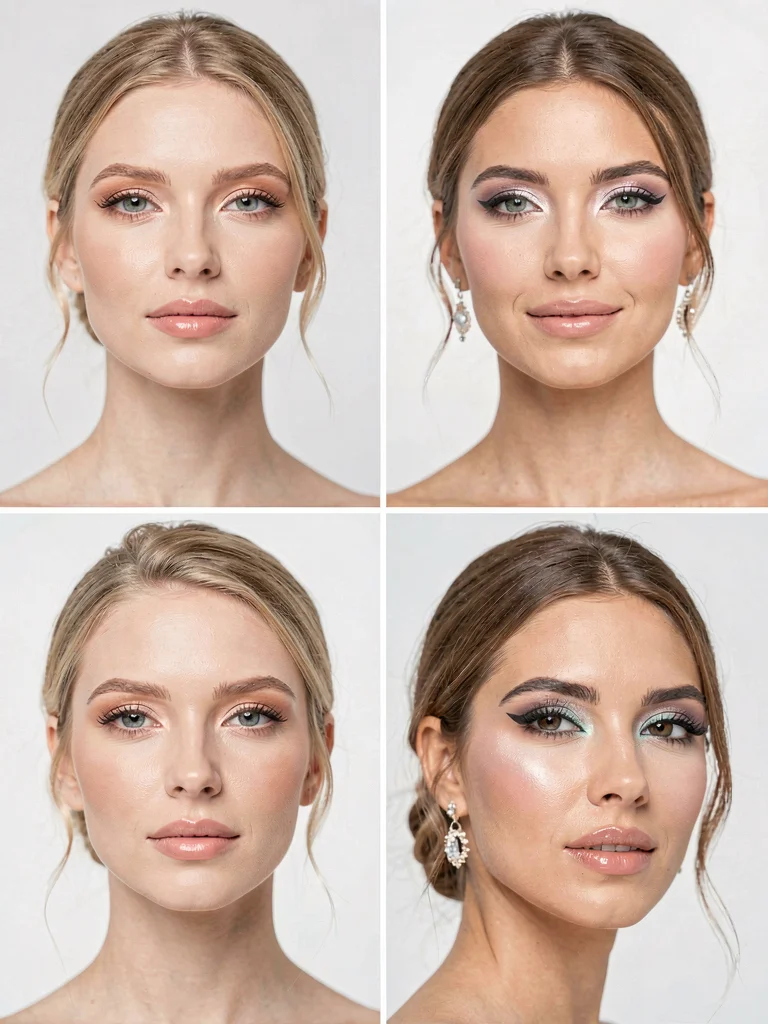
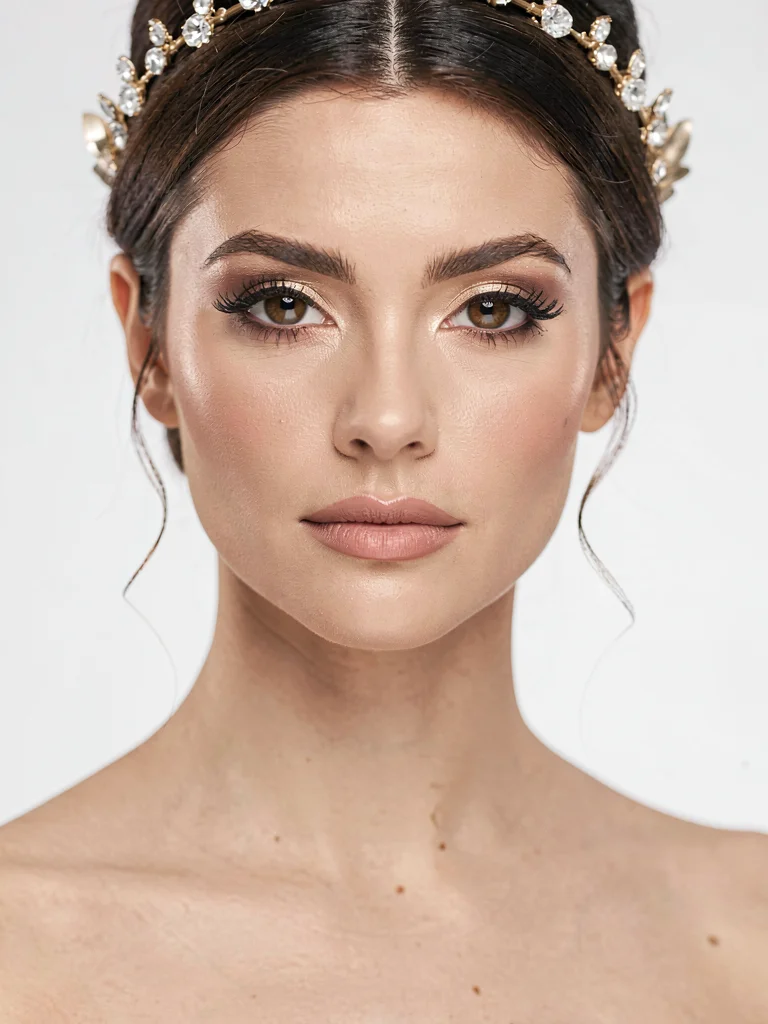
Choosing the right bridal makeup look sets the tone for your entire wedding aesthetic. I find that most brides gravitate towards three main styles: natural, glam, or a soft glam hybrid. Each look emphasizes different features and uses varying levels of intensity to achieve its desired effect.
Here are the primary bridal makeup styles to consider:
- Natural Bridal Makeup Look: This style focuses on enhancing your features without appearing overly “done.” This often involves light-to-medium coverage foundation, subtle contouring, a neutral eyeshadow palette, and a soft lip color. The goal is to look like the best version of yourself, as if you’re simply glowing from within, a technique often favored by artists for outdoor or daytime weddings. According to experts at Vogue, “natural bridal makeup is about perfecting the skin and highlighting your best features, rather than masking them.”
- Glam Bridal Makeup Look: For a glam bridal makeup look, the approach is bolder and more dramatic. This style typically includes full-coverage foundation, strong contour and highlight, a more intricate eye look with winged liner or smoky shadows, and a vibrant or deep lip color. It’s perfect for evening weddings or brides who want to make a significant statement, often seen in high-fashion bridal editorials.
- Soft Glam Bridal Makeup Look: Many brides opt for soft glam, which blends elements of both natural and glam styles. This might mean a flawless base with a slightly more defined eye, perhaps individual lashes and a soft shimmer, paired with a nude or rose-toned lip. It offers a polished yet approachable elegance, making it a popular choice for its versatility across different wedding themes and times of day.
Ultimately, the best look is one that makes you feel confident and beautiful.
Frequently Asked Questions
Here are some common questions brides have about bridal makeup:
- How far in advance should I book my bridal makeup artist?
It’s generally recommended to book your bridal makeup artist 6-12 months in advance, especially if you’re getting married during peak wedding season. Popular artists often have limited availability.
- What should I bring to my bridal makeup trial?
Bring photos of makeup looks you like (and dislike!), a picture of your wedding dress, and any accessories you plan to wear (like hairpieces or veil). This helps your artist understand your overall vision.
- How long does bridal makeup typically take on the wedding day?
According to experts, a professional bridal makeup application usually takes between 60-90 minutes for the bride, and slightly less for bridesmaids or mothers. This allows for meticulous application and touch-ups.
- Should I wear makeup to my trial?
It’s best to arrive with a clean, moisturized face so your artist can work on a fresh canvas and accurately assess your skin.
- What’s the difference between traditional and airbrush makeup?
Traditional makeup is applied with brushes or sponges, offering versatile coverage. Airbrush makeup is applied with an air compressor, creating a fine mist that provides a lightweight, flawless finish often praised for its longevity and photographic qualities. Vogue has a great breakdown of the pros and cons of each.
What is a normal price for bridal makeup?
Bridal makeup services typically range from $200 to $600, depending on location, the artist’s experience, and the inclusion of a trial run. High-demand artists or those in major metropolitan areas may charge upwards of $800 for their specialized services. This fee often covers not just the application on the wedding day but also consultations and product costs.
Which makeup is best for bridal?
For bridal makeup, long-wearing, waterproof, and transfer-resistant formulas are best to ensure durability throughout the day’s events. Products with a matte or satin finish are often preferred over overly dewy ones, as they photograph beautifully and minimize shine. Airbrush makeup is a popular choice for its flawless finish and longevity, often lasting 12-16 hours without significant touch-ups.
What are the 5 things a bride needs checklist?
A bride’s essential makeup checklist includes a trial run, a clear vision or inspiration photos, well-hydrated skin, a touch-up kit, and open communication with her artist. The trial run is crucial for finalizing the look and ensuring product compatibility. Hydrated skin provides the best canvas for makeup application, while a small touch-up kit with lipstick and blotting papers helps maintain freshness.
What do I need to do bridal makeup?
To perform bridal makeup effectively, you need a comprehensive kit of high-quality, long-lasting products suitable for various skin types and tones. This includes primers, foundations, concealers, setting powders, waterproof mascaras, and a range of eyeshadows and lip colors. Additionally, a professional brush set, proper lighting, and sanitation supplies are essential for a flawless and hygienic application.
Conclusion
Achieving your perfect bridal makeup look hinges on meticulous planning and clear communication with your artist. I recommend scheduling your makeup trial at least 2-3 months before your wedding to finalize your vision and ensure product compatibility. By investing in this preparation, you’re not just getting makeup; you’re crafting a lasting memory of confidence and radiance that will shine through every photograph.
To ensure your bridal makeup journey is as smooth and stress-free as possible, consider these key takeaways:
- Start Early: Begin your skincare regimen and research makeup artists well in advance.
- Communicate Clearly: Share your vision, preferences, and any concerns with your makeup artist during the trial.
- Prioritize Longevity: Choose products and techniques known for their staying power, especially for a long wedding day.
- Plan for Touch-ups: Assemble a small kit with essentials like lipstick, blotting papers, and powder for quick refreshes.
According to experts, a well-executed bridal makeup plan significantly reduces stress on the wedding day, allowing the bride to fully enjoy her celebration. The Knot emphasizes that a trial run is crucial for testing the look under various lighting conditions and ensuring comfort.