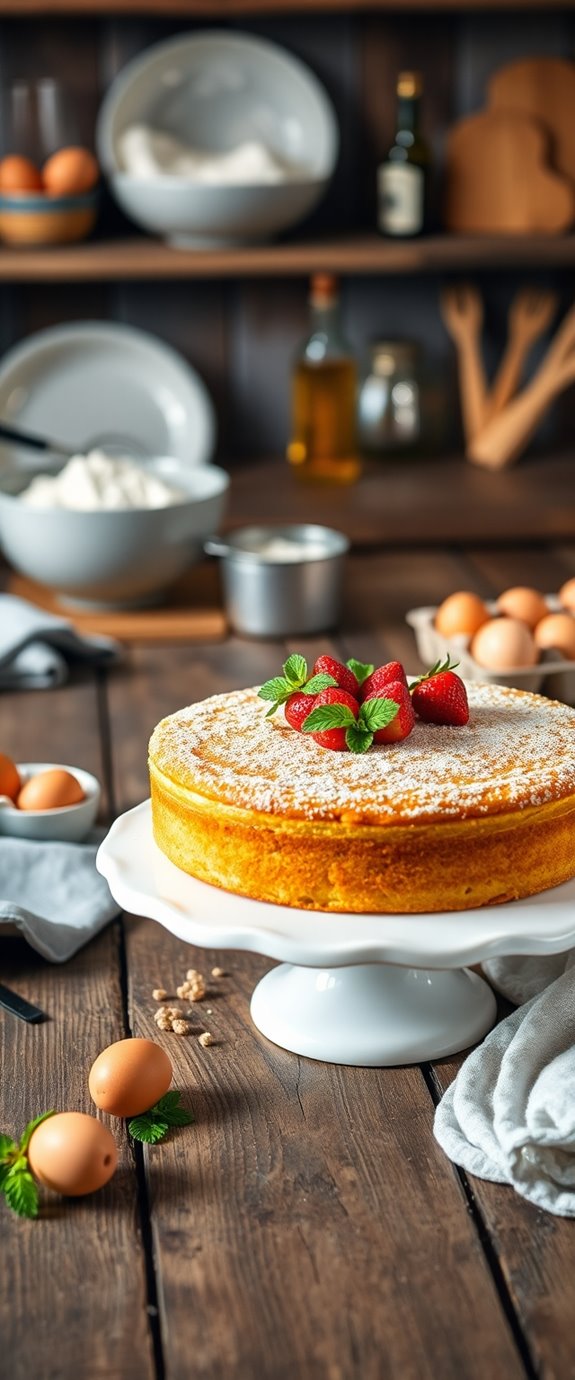
When you bake a vanilla layer cake for a birthday celebration, the secret to that soft, airy texture lies in using cake flour. This specialized flour, with its lower protein content, creates a tender crumb that elevates your dessert. Curious about how to achieve that perfect balance of flavor and moisture? Let's explore the steps and tips to make your cake flour recipe a delightful success.
Recipe Tips and Tricks
- Cake flour is essential for achieving a tender and fluffy texture in cakes, making it ideal for various recipes.
- Use the provided ingredients: 2 cups cake flour, 1 ½ cups sugar, ½ cup butter, 1 cup milk, and 3 eggs.
- Follow the baking instructions to cream butter and sugar, mix in eggs, add dry ingredients, and bake at 350°F for 25-30 minutes.
- Consider substitution options like all-purpose flour or gluten-free alternatives to accommodate dietary preferences.
- Enhance your cake's presentation with smooth icing, fresh fruit, or decorative toppings for a beautiful finish.
How To Make It – Recipe

To create a delicious cake using cake flour, you'll want to start by gathering all your ingredients and tools. Cake flour is a finely milled flour with a low protein content, which helps produce a tender, fluffy cake. This recipe is versatile and can be used for various types of cakes, whether you're looking to bake a classic vanilla cake, a rich chocolate cake, or even a fruity variation. The process is straightforward, so don't worry if you're new to baking; you'll be creating a delightful treat in no time.
Before you start mixing, make certain all your ingredients are at room temperature, as this helps them combine better and guarantees an evenly baked cake. Preheating your oven is also vital to confirm that your cake rises properly. This recipe will yield a soft and moist cake that's perfect for celebrations or a sweet treat any day of the week.
Ingredients:
- 2 cups cake flour
- 1 ½ cups granulated sugar
- ½ cup unsalted butter, softened
- 1 cup milk
- 3 large eggs
- 2 ½ teaspoons baking powder
- 1 teaspoon vanilla extract
- ½ teaspoon salt
In a mixing bowl, cream together the softened butter and granulated sugar until light and fluffy. Add the eggs one at a time, mixing well after each addition. Stir in the vanilla extract.
In a separate bowl, combine the cake flour, baking powder, and salt. Gradually add the dry ingredients to the butter mixture, alternating with the milk. Mix until just combined, being careful not to overmix.
Pour the batter into a greased cake pan and bake at 350°F (175°C) for 25-30 minutes, or until a toothpick inserted in the center comes out clean. Allow the cake to cool in the pan for 10 minutes before transferring it to a wire rack to cool completely.
When baking with cake flour, remember that it absorbs more liquid than all-purpose flour, so sticking closely to the recipe measurements is vital for the best results. Additionally, avoid overmixing the batter to prevent the cake from becoming dense. Notably, using cake flour can significantly enhance the texture of your baked goods.
Finally, consider using a cake flour blend or adding a bit of cornstarch to all-purpose flour if cake flour isn't available; this will help achieve a similar texture. Enjoy your baking adventure!
Substitution Suggestions
While cake flour is ideal for achieving that light and fluffy texture, there are times when you might need to make substitutions.
If you don't have cake flour on hand, you can use all-purpose flour with a twist. For every cup of all-purpose flour, remove two tablespoons and replace them with cornstarch. This helps lower the protein content, mimicking cake flour.
If you're looking for gluten-free options, consider almond or coconut flour, adjusting ingredient ratios to guarantee the cake maintains its structure. Additionally, using gluten-free flour alternatives can enhance the cake's flavor and texture.
Just remember, experimenting can lead to delicious surprises, so don't hesitate to try different combinations!
Decorating Ideas
Once you've perfected your cake, it's time to bring it to life with creative decorations that enhance its appeal.
Start with smooth icing techniques, like a classic buttercream or a glossy ganache, to create a beautiful base.
Experiment with cake toppings, such as fresh fruit, edible flowers, or chocolate shavings, to add texture and color.
Use piping bags to create intricate designs or simple swirls on the cake's surface.
For a fun twist, sprinkle some colorful sprinkles or drizzle flavored syrups. Incorporating Chocolate Cake Pops as a side treat can also complement the cake's presentation and flavor.
Serving Suggestions
When it comes to serving your beautifully crafted cake, presentation plays a key role in the overall experience.
Consider using fresh fruit, like berries or citrus slices, as garnish options that not only enhance visual appeal but also add an invigorating contrast to sweetness. You might also sprinkle edible flowers for a touch of elegance.
Pair your cake with complementary flavors, such as a scoop of vanilla ice cream or a dollop of whipped cream infused with a hint of vanilla or almond. A delicious addition to your dessert could be strawberry shortcake, which pairs wonderfully with these flavors.
These flavor pairings elevate your dessert, making each slice a delightful treat that guests won't forget.
Enjoy!
Make-Ahead and Storage
To guarantee your cake remains fresh and delicious, it's smart to plan ahead for both make-ahead options and proper storage.
Use these make-ahead tips: bake your cake a day prior, allowing flavors to deepen. Once cooled, wrap it tightly in plastic wrap to lock in moisture. Additionally, consider using cake flour for a lighter texture that enhances your cake's overall taste.
For storage, opt for airtight storage containers, which prevent staleness and protect against odors. If you're planning to frost later, keep the layers separate until you're ready.
This way, your cake will be perfect when it's time to serve, and you'll impress everyone with your thoughtful preparation and delicious results!
How to Store Leftovers
Even after a delightful celebration, you might find yourself with leftover cake that deserves just as much attention as the first slice.
For proper leftover storage, choose an airtight container to keep your cake moist and fresh. If you don't have one, plastic wrap works well, just make sure it's tightly sealed.
Consider slicing the cake before storing; this allows for easy access to individual pieces later. You can also use a cake dome for short-term storage if you want to showcase your masterpiece. Additionally, using cake flour can enhance the cake's texture, making it even more enjoyable the next day.
With the right container options, your leftovers will be just as delicious as the original!
Nutrition Facts(per serving)
Each serving of cake made with cake flour offers a delightful balance of taste and nutrition.
With an average calorie count of around 250, you can indulge without guilt. The ingredient breakdown reveals a harmonious mix of carbohydrates, fats, and proteins, providing energy and satisfaction.
You'll find essential vitamins and minerals from eggs and milk, enhancing the cake's nutritional profile. Cake flour contributes to a lighter texture, making each bite heavenly. Additionally, gluten-free options are available for those with dietary restrictions, allowing everyone to enjoy this delicious treat.
Final Thoughts
As you reflect on the delightful experience of baking with cake flour, it's clear that this versatile ingredient elevates your cakes to a new level of lightness and flavor.
By incorporating baking tips like sifting the flour and adjusting your liquid ratios, you can achieve a perfect texture every time.
Don't hesitate to explore flavor variations, whether it's adding citrus zest, chocolate, or nuts. Each twist brings a fresh dimension to your cakes.
Remember, the magic lies in experimenting, so let your creativity flow.
With cake flour, you're on your way to delightful, fluffy desserts that impress every time! Additionally, consider trying an eggless cake recipe for a unique twist that maintains the moisture and taste without the use of eggs.
Recipe FAQs
Can I Use All-Purpose Flour Instead of Cake Flour?
Yes, you can use all-purpose flour instead of cake flour, but it won't give you the same tenderness. Cake flour benefits include a lighter texture, so consider adding cornstarch to mimic its qualities for better results.
What Is the Difference Between Cake Flour and Self-Rising Flour?
Cake flour's finely milled texture offers tenderness and a lighter crumb, perfect for delicate desserts. In contrast, self-rising flour contains added leavening agents, making it ideal for quick baking techniques, but lacking cake flour's unique benefits.
How Does Cake Flour Affect the Cake's Texture?
When you use cake flour, it's like wrapping your cake in a soft, fluffy cloud. Its lower protein content creates a tender crumb, enhancing the cake texture and showcasing the delicate balance of baking science.
Is Cake Flour Gluten-Free?
No, cake flour isn't gluten-free; it contains wheat. If you're seeking gluten-free alternatives, consider almond flour or coconut flour. These baking substitutions can yield delightful textures, ensuring your treats remain soft and delicious without gluten.
Can I Make My Own Cake Flour at Home?
Did you know that about 70% of bakers prefer using cake flour for its tenderness? You can make your own by mixing all-purpose flour with cornstarch, then sifting it several times for a lighter texture.