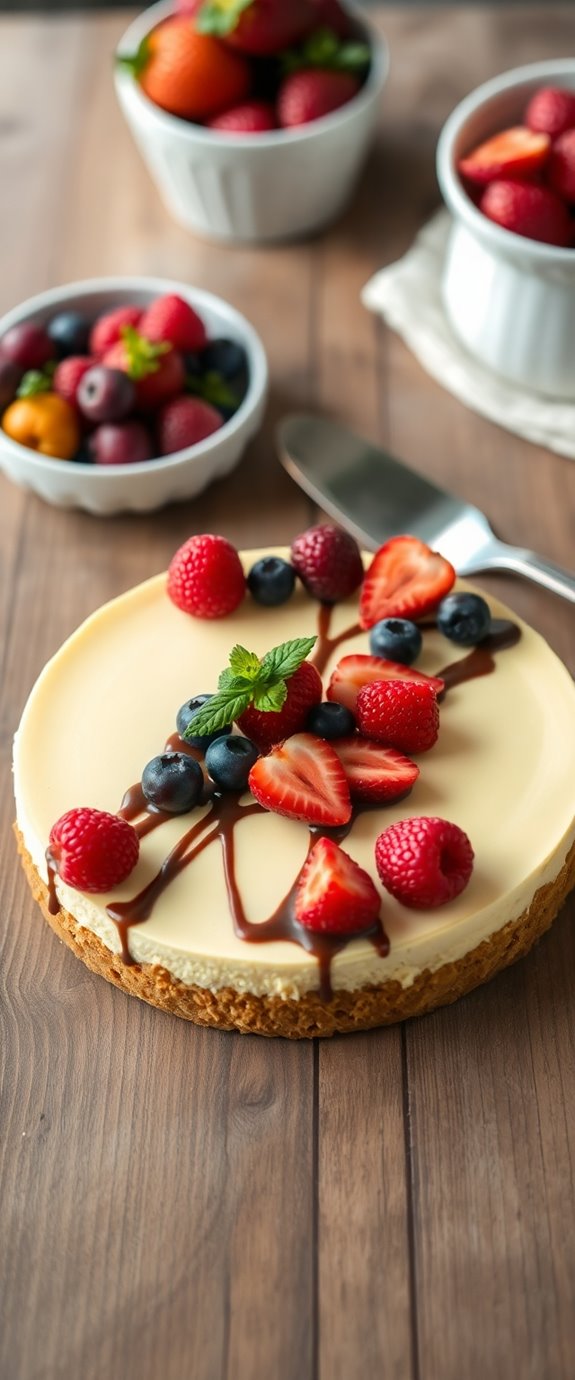
When it comes to indulgent treats, cheesecake desserts offer a delightful escape. With a creamy filling and a buttery crust, they've stolen the hearts of many dessert enthusiasts. Crafting the perfect cheesecake isn't just about following a recipe; it's about creating an experience. Whether you're a novice or a seasoned baker, there are countless ways to personalize your creation. So, what are the secret techniques that can elevate your cheesecake game?
Recipe Tips and Tricks
- Classic cheesecake features a creamy filling made with cream cheese, sugar, and vanilla, baked in a graham cracker crust.
- Simple ingredients include graham cracker crumbs, melted butter, cream cheese, granulated sugar, and eggs, making it accessible for all bakers.
- Customize your cheesecake with various flavors, toppings, and crusts to suit different tastes and occasions.
- No bake cheesecake recipes are perfect for kids to help in the kitchen, providing an easy and fun cooking experience.
- Serve cheesecake with fresh berries, chocolate sauce, or whipped cream to enhance its indulgent appeal during celebrations or gatherings.
How To Make It – Recipe
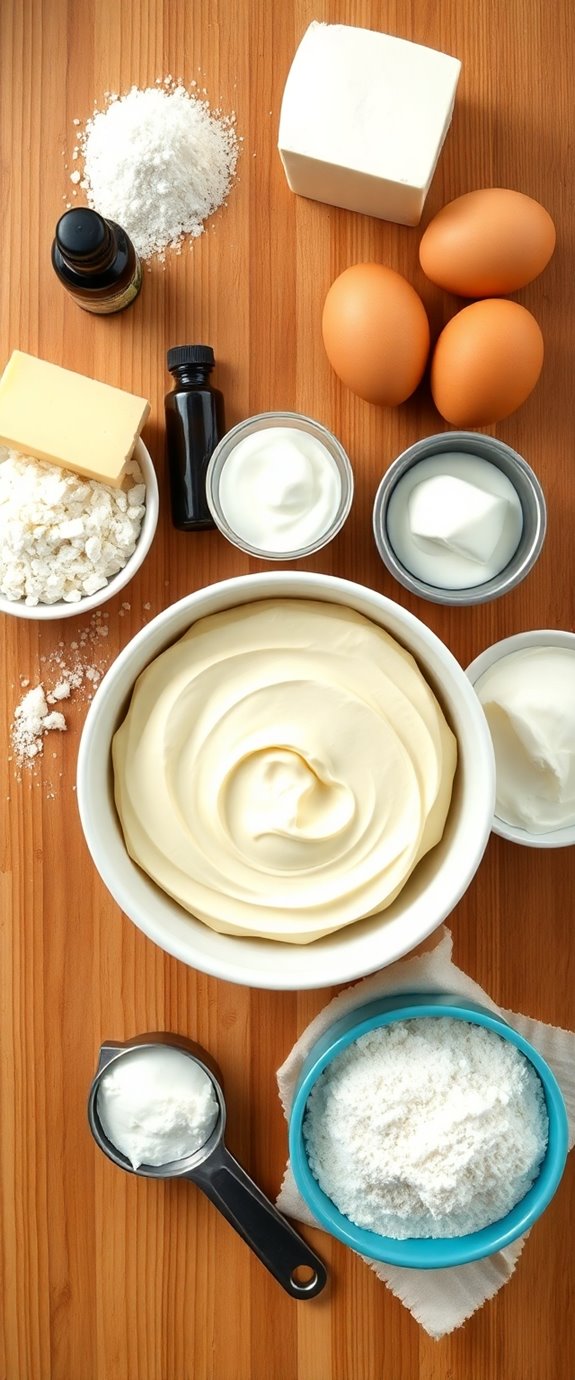
Cheesecake desserts are a delightful treat that can be enjoyed at any time of the year. With a rich, creamy filling and a buttery, crumbly crust, cheesecakes offer a perfect balance of flavors and textures. Whether you prefer a classic New York style cheesecake or a flavored variation such as strawberry or chocolate, this recipe will guide you through the process of creating a delicious cheesecake from scratch.
You can also customize your cheesecake with different toppings and crusts to make it uniquely yours. The great thing about making cheesecake is that it requires relatively simple ingredients and steps, making it accessible for both beginner and experienced bakers alike. Once you master the basic method, you can explore different flavor combinations and presentation styles.
Get ready to impress your family and friends with this creamy indulgence that's sure to be a crowd-pleaser at any gathering. A no bake cheesecake recipe is also a great option for kids who want to help in the kitchen!
Ingredients:
- 1 ½ cups graham cracker crumbs
- ½ cup unsalted butter, melted
- 2 cups cream cheese, softened
- 1 cup granulated sugar
- 1 teaspoon vanilla extract
- 3 large eggs
- 1 cup sour cream
- ¼ cup all-purpose flour
Instructions:
Preheat your oven to 325°F (163°C). In a mixing bowl, combine the graham cracker crumbs and melted butter, then press the mixture firmly into the bottom of a 9-inch springform pan to create an even crust.
In a separate large bowl, beat the softened cream cheese and sugar until smooth and creamy. Add the vanilla extract and mix until combined. Gradually add the eggs, one at a time, mixing well after each addition. Then, fold in the sour cream and flour until just combined.
Pour the cheesecake batter over the crust in the springform pan and smooth out the top. Bake in the preheated oven for about 50-60 minutes, or until the center is set but still slightly jiggly. Turn off the oven and let the cheesecake cool inside for another hour before transferring it to the refrigerator to chill for at least 4 hours or overnight.
Extra Tips:
For a perfect cheesecake, be certain to use room temperature cream cheese to avoid lumps and guarantee a smooth filling. Additionally, avoid overmixing the batter to prevent incorporating too much air, which can lead to cracks during baking.
If you're concerned about cracks forming, you can bake the cheesecake in a water bath by wrapping the springform pan in aluminum foil and placing it inside a larger pan filled with hot water. Finally, let the cheesecake cool gradually to room temperature before refrigerating it, as this will help set its texture beautifully.
Substitution Suggestions
If you're looking to put a twist on the classic cheesecake recipe, there are plenty of substitution options to contemplate.
For a creamy texture without dairy, try using coconut cream or cashew cheese as your base. These dairy alternatives not only enhance flavor but also cater to lactose-intolerant guests.
When it comes to sweetness, consider using maple syrup or agave nectar as sweetener options instead of traditional sugar. They add a unique depth to your cheesecake while keeping it healthier. Additionally, incorporating vegan cheesecake bites can be a fun way to serve these treats at gatherings.
With these substitutions, you can create a deliciously innovative cheesecake that pleases everyone at the table!
Decorating Ideas
While a cheesecake's rich flavor is often the star of the show, the right decorations can elevate it to a stunning centerpiece.
Consider using creative toppings like fresh berries, chocolate shavings, or a drizzle of caramel to enhance its visual appeal.
For festive themes, you can sprinkle crushed graham crackers for a beach vibe or add edible flowers for a spring celebration.
Whipped cream rosettes can also add a touch of elegance.
Experiment with vibrant colors and textures to make your cheesecake not just a dessert, but a delightful feast for the eyes that complements any occasion! Additionally, incorporating homemade fruit cheesecake as a topping can bring a burst of flavor and freshness to your dessert.
Serving Suggestions
After you've adorned your cheesecake with beautiful decorations, it's time to think about how to serve this delectable dessert.
For an impressive dessert presentation, slice your cheesecake into elegant wedges and place them on stylish plates.
Consider pairing your cheesecake with fresh berries, a drizzle of chocolate sauce, or a sprinkle of crushed nuts to enhance the flavors. You can also serve it alongside a scoop of ice cream or a dollop of whipped cream for extra indulgence. Additionally, serving it with a side of pumpkin cheesecake can bring a delightful seasonal twist to your dessert spread.
Don't forget to provide forks and napkins for a tidy experience.
These cheesecake pairings will surely elevate your dessert to new heights!
Make-Ahead and Storage
To guarantee your cheesecake is just as delicious on the day of serving, making it ahead of time is a smart choice.
Utilize effective freezing techniques, like wrapping your cheesecake tightly in plastic wrap and aluminum foil, to lock in freshness. You can experiment with various flavor pairings, such as chocolate, fruit, or caramel, to elevate your dessert. Additionally, a no bake keto cheesecake is a great option for those looking to keep it low carb without sacrificing flavor.
Just remember to freeze your cheesecake before adding any toppings, as they're best added fresh. When you're ready to serve, simply thaw it in the fridge overnight.
Your guests will be amazed at how delightful your make-ahead cheesecake tastes!
How to Store Leftovers
Storing leftovers properly can make all the difference in preserving the creamy goodness of your cheesecake. Use proper containers, like airtight plastic or glass, to keep moisture out and flavors intact.
For refrigeration, wrap each slice tightly in plastic wrap before placing it in your fridge—this helps extend its shelf life up to *five* days. Additionally, if you are storing a lemon cheesecake, the citrus flavor can actually enhance over time, making it even more delightful.
If you want to save some for later, freezing methods are a fantastic option. Just slice your cheesecake, wrap each piece in plastic, and then foil. It can last for about three months in the freezer, ready to delight your taste buds whenever you crave it!
Nutrition Facts(per serving)
When you indulge in a slice of cheesecake, it's not just about the delightful flavor; understanding the nutrition facts can enhance your culinary experience.
A typical serving has around 250-400 calories, depending on the ingredients used. The creamy richness comes from cream cheese, which offers a good source of calcium and protein.
You'll also find benefits in other ingredients like eggs, contributing essential vitamins. While sugar adds sweetness, you can opt for natural sweeteners to reduce caloric content. Additionally, many dairy-free versions, such as dairy-free chocolate cheesecake, provide a delicious alternative for those with dietary restrictions.
Knowing these details helps you appreciate each bite, turning your dessert into a satisfying treat that nourishes both body and spirit.
Final Thoughts
As you savor each bite of cheesecake, it's clear that this dessert is more than just a sweet treat; it's a delightful blend of flavors and textures that can elevate any occasion.
The satisfying sweetness balances perfectly with the rich, creamy texture, creating a mouthwatering experience you won't forget.
Whether you're enjoying a classic New York style or experimenting with unique toppings, cheesecake offers endless possibilities for indulgence.
It's not just dessert; it's a celebration of flavor that brings people together. In particular, pumpkin cheesecake recipes provide a seasonal twist that enhances the overall experience.
Recipe FAQs
Can I Use a Different Type of Cheese for Cheesecake?
Absolutely, you can use cream cheese alternatives like ricotta or mascarpone! Just remember, the texture differences may alter your cheesecake's creaminess. Experimenting can yield delicious results, so don't hesitate to try something new!
What Are Common Flavor Variations for Cheesecake?
While classic cheesecake is delightful, you can elevate it with fruit toppings like strawberries or blueberries, or add rich chocolate swirls for a decadent twist. Experimenting with flavors makes your cheesecake truly unique and irresistible!
How Do I Prevent My Cheesecake From Cracking?
To prevent your cheesecake from cracking, make certain you bake at a low temperature and use a water bath. This creates a moist environment, helping your cheesecake bake evenly and reducing the chances of unsightly cracks.
Is It Safe to Freeze Cheesecake?
Absolutely, you can freeze cheesecake safely! Just embrace proper freezing techniques and storage tips. Wrap it tightly to prevent freezer burn, and you'll enjoy that creamy delight later, just like the first slice.
What Is the Origin of Cheesecake?
Cheesecake's origin traces back to ancient Greece, where early recipes combined cheese and honey. As cheese history evolved, different cultures adopted and adapted this delightful treat, creating the rich, creamy dessert we enjoy today.