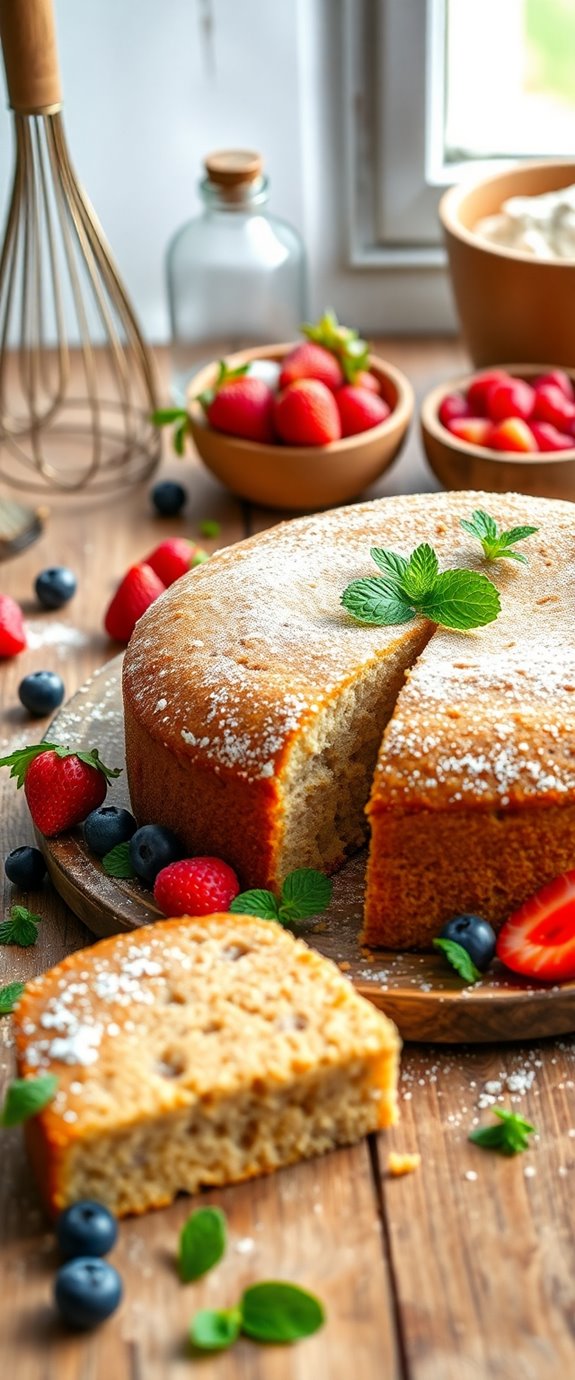
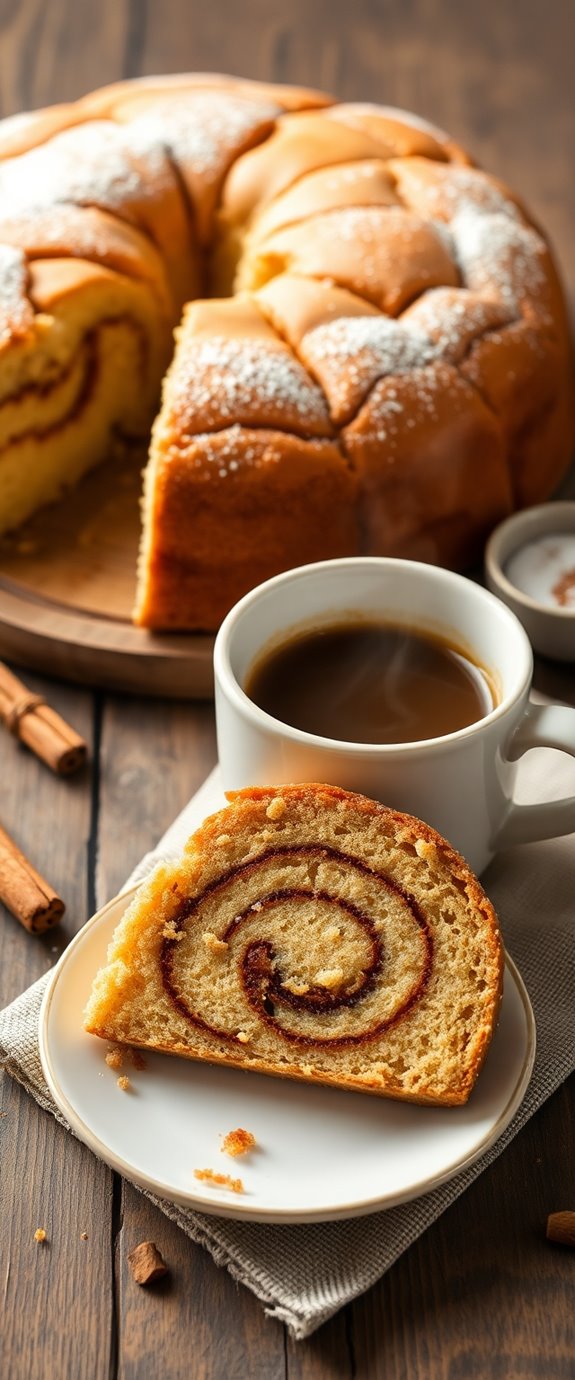
Coconut cake is a delightful treat that combines the lightness of a fluffy sponge with the rich, tropical flavor of coconut. Whether you're celebrating a special occasion or just craving something sweet, this cake fits the bill perfectly. You might be wondering how to achieve that ideal texture and flavor balance. Let's explore the recipe and discover some tips to elevate your coconut cake to the next level.
Recipe Tips and Tricks
- Coconut cake has a light and fluffy texture, making it perfect for celebrations or everyday enjoyment.
- Use fresh ingredients, including real coconut, for enhanced flavor and moisture.
- Substitute regular milk with coconut milk for a dairy-free option or replace all-purpose flour for gluten-free needs.
- Decorate with shredded coconut, edible flowers, or toasted coconut flakes for a tropical look.
- Serve with fresh fruits or coconut-infused drinks to elevate the dessert experience.
How To Make It – Recipe
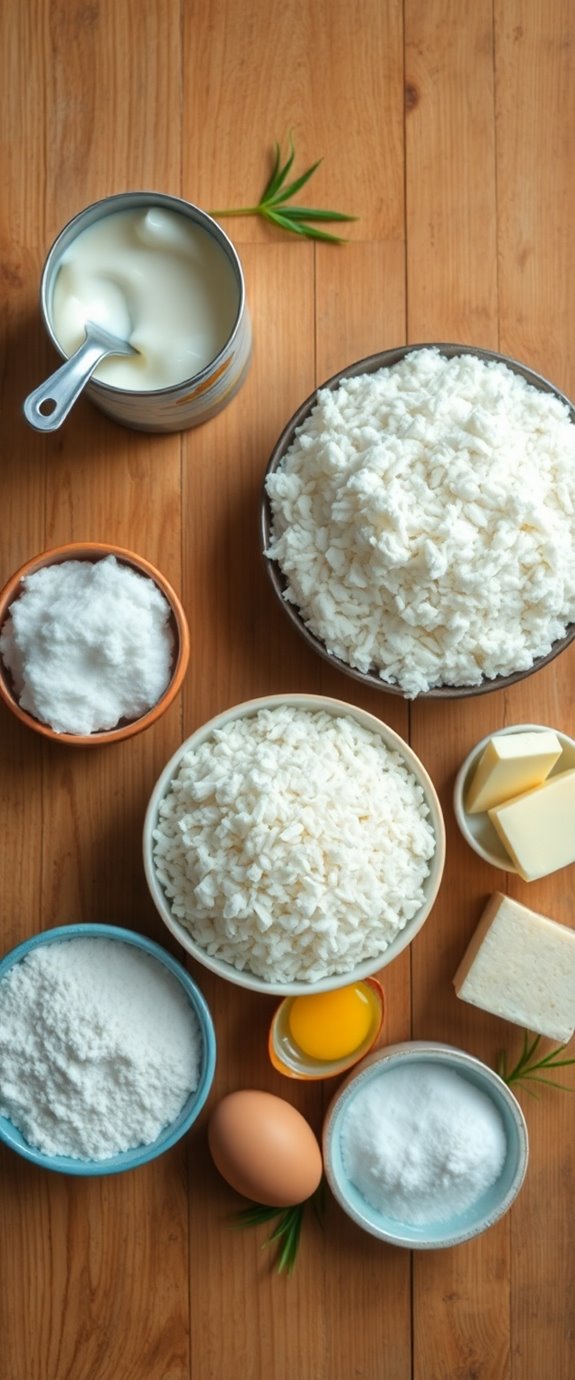
Coconut cake is a delightful dessert that brings a taste of the tropics to your table. With its light and fluffy texture, combined with the rich flavor of coconut, it's perfect for celebrations or simply to satisfy your sweet tooth. This cake can be enjoyed on its own or paired with a coconut frosting for a truly indulgent treat.
Whether you're baking for a special occasion or just to enjoy at home, this recipe will guide you through the process of creating a delicious coconut cake from scratch. To achieve the best results, it's crucial to use fresh ingredients, including real coconut, if possible. Incorporating gluten free options into your baking can accommodate various dietary needs.
The combination of coconut milk and shredded coconut in the batter helps create a moist cake that's bursting with flavor. This recipe is straightforward and can be made in just a few simple steps, making it accessible for both novice and experienced bakers alike. Gather your ingredients, and let's get started on this tropical delight!
Substitution Suggestions
When it comes to baking, flexibility can be just as important as the recipe itself. If you need a dairy-free option, swap regular milk for coconut milk—it'll keep your cake moist and flavorful.
For a gluten-free cake, substitute all-purpose flour with a gluten-free blend, ensuring you check for a suitable binding agent. If you're looking for an egg replacement, try mashed bananas or applesauce; they work wonders in maintaining texture and moisture.
These substitutions not only accommodate dietary preferences but can elevate your coconut cake into something uniquely delicious. Moreover, using a gluten-free blend can help achieve the perfect texture without sacrificing taste. Don't hesitate to experiment and make it your own!
Decorating Ideas
To create a visually stunning coconut cake, start by envisioning a tropical paradise on your dessert platter.
Use smooth frosting techniques to cover your cake evenly, creating a blank canvas for your decorations. Consider rolling the sides in shredded coconut for a fluffy, beachy look.
Top with a generous layer of frosting and arrange vibrant edible flowers like orchids or hibiscus for a pop of color. You can even sprinkle toasted coconut flakes for added texture.
For a final touch, drizzle some coconut cream or a light glaze, giving your cake a dreamy, island-inspired finish that'll impress everyone at your gathering! Additionally, using homemade cake recipes allows you to customize flavors and textures to suit your taste.
Serving Suggestions
As you prepare to serve your coconut cake, consider pairing it with tropical accompaniments that enhance its flavor and elevate the experience.
Fresh pineapple slices or mango purée can add a juicy burst that complements the cake's rich coconut notes.
For festive occasions, a scoop of coconut sorbet or a dollop of whipped cream topped with toasted coconut flakes creates an inviting presentation.
You might also serve it alongside a rejuvenating coconut-infused drink, such as a piña colada, to complete the tropical vibe.
These coconut pairings won't only delight your guests but also make your dessert memorable. Additionally, the use of fresh fruits enhances the overall flavor profile, bringing a delightful contrast to the sweetness of the cake.
Make-Ahead and Storage
If you want to enjoy your coconut cake at its best, making it ahead of time can be a great strategy.
Consider these make-ahead tips: bake the cake a day or two in advance, allowing it to cool completely.
Once cool, wrap each layer tightly in plastic wrap to lock in moisture. Use sturdy storage containers to keep your cakes fresh, stacking layers if necessary.
For added flavor, frost it shortly before serving. This way, your coconut cake will taste freshly made, and you'll have more time to enjoy the occasion. Additionally, you can also make delicious cakes without an oven by using alternative baking methods.
Happy baking!
How to Store Leftovers
Leftover coconut cake can be just as delightful as when it was freshly baked, but proper storage is key to maintaining its flavor and texture.
For ideal leftover storage, wrap your cake tightly in plastic wrap or place it in an airtight container. This helps prevent drying out and preserves the moistness.
If you want to keep it longer, consider freezing individual slices. Just be sure to use freezer-safe wrapping to avoid freezer burn.
When you're ready to enjoy your preserved cake, let it thaw in the fridge for a few hours, and you'll be savoring that tropical goodness again! Additionally, remember that cakes with a rich frosting may require extra care to maintain their taste and texture during storage.
Nutrition Facts(per serving)
Indulging in a slice of coconut cake not only satisfies your sweet tooth but also offers a delightful mix of flavors and nutrients. Each serving typically contains around 350 calories, making it a treat worth savoring.
The caloric content primarily comes from the rich coconut and creamy frosting, adding a luscious sweetness. With regard to nutrient breakdown, you'll enjoy healthy fats from coconut, a small amount of protein, and carbohydrates to fuel your energy.
Additionally, it provides some essential vitamins and minerals, ensuring that each bite isn't just delicious but also a little nourishing. Enjoy it in moderation! Moreover, this cake can be made quickly, allowing you to enjoy a deliciously healthy cake in no time.
Final Thoughts
As you savor the last bite of your coconut cake, it's clear that this dessert is more than just a sweet indulgence; it's a celebration of flavor and texture.
With each forkful, you appreciate the moistness and the delicate sweetness that coconut brings.
Remember, experimenting with flavor variations can elevate your cake—consider adding lime zest or mixing in crushed pineapple for a tropical twist.
Don't forget essential baking tips, like room temperature ingredients, to guarantee that your cake rises perfectly. Deliciously moist banana cake is another great recipe to try if you're a fan of moist desserts.
Enjoy making this delightful treat, and share it with loved ones; it's bound to bring smiles and happy memories!
Recipe FAQs
Can I Use Unsweetened Coconut Instead of Sweetened in This Recipe?
You can definitely use unsweetened coconut instead of sweetened. Just remember, the coconut sweetness will be less pronounced, and the texture differences might affect your dish. Adjust other ingredients to balance flavors for the best results.
What Type of Flour Is Best for Coconut Cake?
For the best cake texture, you'll want to use cake flour, as it's lighter and creates a tender crumb. All-purpose flour works too, but it might give your cake a denser feel. Choose wisely!
How Can I Make My Cake More Moist?
To make your cake as moist as a tropical paradise, try adding sour cream or yogurt. These baking tips enhance moisture retention, ensuring a tender crumb. Don't forget to avoid overmixing for the best results!
Can I Add Other Flavors to the Coconut Cake?
Absolutely, you can experiment with flavor combinations! Try adding chocolate, lemon, or almond extracts for delicious cake variations. Each addition enhances the coconut's sweetness, creating a delightful blend that your taste buds will love.
Is Coconut Cake Suitable for Freezing?
Absolutely, you can freeze coconut cake! Just wrap it tightly in plastic wrap and foil. For freezing tips, consider using airtight containers for better storage methods. When you're ready, let it thaw in the fridge overnight.