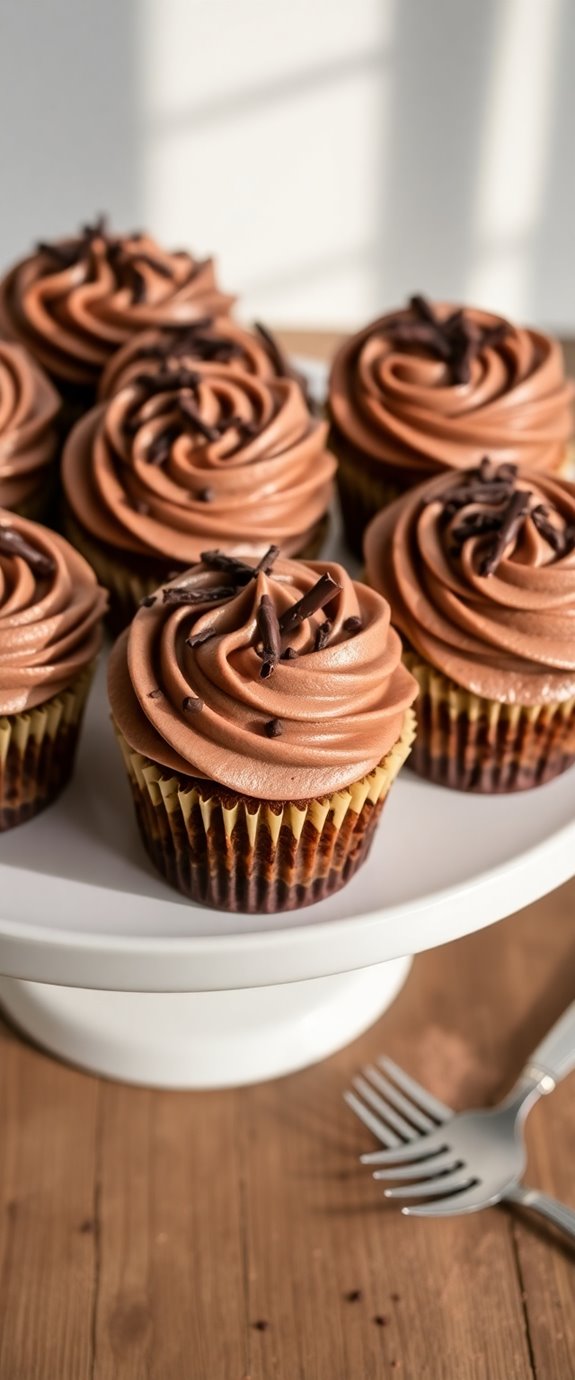
Easter cheesecakes symbolize the sweet essence of spring celebrations, blending rich flavors with festive cheer. This dessert not only satisfies your taste buds but also serves as a canvas for creativity, allowing you to customize it with seasonal fruits or elegant chocolate swirls. As you prepare to impress family and friends with this delightful treat, consider how easy it is to make and the memories it can create. What will you add to your cheesecake masterpiece?
Recipe Tips and Tricks
- Easter Cheesecake Desserts feature a buttery graham cracker crust and a rich, creamy filling, perfect for spring celebrations.
- The recipe includes options for customizable toppings, such as fresh berries or chocolate, enhancing visual appeal and flavor.
- Easy to prepare, the cheesecake bakes at 325°F for 60-70 minutes and requires chilling for at least 4 hours before serving.
- Substitution suggestions allow for lighter twists or gluten-free options, catering to diverse dietary preferences.
- This dessert acts as a celebratory centerpiece, fostering family traditions and creating memorable moments during Easter gatherings.
How To Make It – Recipe

Easter Cheesecake Desserts are a delightful treat that perfectly captures the essence of spring celebrations. This creamy and luscious dessert combines the classic flavors of cheesecake with festive touches that make it ideal for Easter gatherings. With a buttery graham cracker crust, a rich and velvety filling, and beautiful toppings, this cheesecake will impress your family and friends while adding a touch of sweetness to your holiday table.
Making this cheesecake isn't only simple but also enjoyable. The process involves preparing the crust, mixing the filling, and then baking it to perfection. Once cooled and chilled, you can top it with seasonal fruits, whipped cream, or even chocolate for a delicious twist. This dessert is sure to become a favorite in your Easter dessert lineup, bringing smiles to everyone who indulges in a slice. Additionally, the incorporation of Deliciously Creamy Pumpkin Cheesecake can add a seasonal flair to your dessert spread, making it a versatile choice for various celebrations.
Ingredients:
- 1 ½ cups graham cracker crumbs
- ½ cup unsalted butter, melted
- 1 cup granulated sugar, divided
- 4 (8-ounce) packages cream cheese, softened
- 1 teaspoon vanilla extract
- 4 large eggs
- 1 cup sour cream
- ½ cup heavy cream
- Fresh berries or chocolate for topping (optional)
To make the Easter Cheesecake, start by preheating your oven to 325°F (160°C). In a medium bowl, mix the graham cracker crumbs and melted butter until well combined. Press the mixture firmly into the bottom of a 9-inch springform pan to form the crust.
In a large mixing bowl, beat the cream cheese until smooth, then gradually add ¾ cup of granulated sugar and continue mixing until creamy. Add the vanilla extract and eggs, one at a time, mixing until just combined. Finally, fold in the sour cream and heavy cream until smooth. Pour the filling over the crust and bake for 60-70 minutes or until the edges are set but the center is slightly jiggly.
Turn off the oven and let the cheesecake cool in the oven for 1 hour before removing it and chilling in the refrigerator for at least 4 hours or overnight.
When preparing your Easter Cheesecake, consider using a water bath to guarantee even cooking and prevent cracks. To create a water bath, wrap the outside of your springform pan with foil and place it in a larger pan filled with hot water during baking.
Additionally, be sure to let the cheesecake cool gradually to room temperature before chilling it in the fridge; this will help maintain its texture and flavor. If you want to get creative, try adding colorful toppings or serving it with a fruit compote for a festive touch!
Substitution Suggestions
If you're looking to customize your cheesecake or accommodate dietary preferences, there are plenty of substitution options to take into account.
For a lighter twist, consider cream cheese alternatives like Greek yogurt or ricotta cheese, which can provide a creamy texture while reducing calories.
If you're aiming for gluten-free options, use almond flour or crushed gluten-free cookies for the crust.
You can also swap regular sugar for coconut sugar or a stevia blend to suit different dietary needs.
Don't hesitate to experiment, as these substitutions can lead to delicious and unique flavor profiles in your Easter cheesecake! Additionally, incorporating seasonal flavors like springtime fruits can enhance the overall taste and presentation of your cheesecake.
Decorating Ideas
Transforming your cheesecake into a stunning centerpiece can be as simple as adding a few creative touches.
Start with colorful decorative toppings like fresh berries, edible flowers, or chocolate shavings. Drizzle vibrant sauces, such as raspberry or caramel, for a pop of flavor and color.
Consider using whipped cream to create festive swirls, or sprinkle crushed candies for an extra crunch. You can even shape fondant into spring-themed designs, like bunnies or eggs, to elevate your dessert. Additionally, incorporating delicious cheesecake flavors can enhance both the taste and visual appeal of your creation.
Serving Suggestions
While you're preparing to serve your cheesecake, think about how to elevate the experience for your guests.
For an eye-catching Easter presentation, use colorful plates or garnishes like fresh berries, mint leaves, or edible flowers. These vibrant touches truly enhance the visual appeal.
Don't forget about dessert pairings; a dollop of whipped cream or a drizzle of chocolate sauce can bring out the cheesecake's rich flavors.
You might also consider serving it alongside a light fruit salad or a scoop of sorbet for a revitalizing contrast. Additionally, these cheesecake bars are perfect for no bake desserts that require minimal effort while still delivering on taste.
These thoughtful details will make your dessert the star of the celebration!
Make-Ahead and Storage
To guarantee your Easter cheesecake is as delightful as possible, planning ahead is key. Use these make-ahead tips: prepare your cheesecake a day or two in advance to let the flavors meld beautifully.
Once cooled, wrap it tightly in plastic wrap and store it in a suitable storage container in the fridge. If you're looking to freeze it, opt for airtight containers to prevent freezer burn.
When you're ready to serve, simply thaw in the fridge overnight. This way, you can enjoy a creamy, decadent dessert without the last-minute stress, leaving you free to relish the holiday festivities! Additionally, no bake cheesecakes are a fantastic option for a simple yet elegant dessert.
How to Store Leftovers
After indulging in your delicious Easter cheesecake, you'll want to guarantee those leftovers stay fresh and tempting for days to come.
For ideal leftover storage, slice the cheesecake into individual portions and wrap each piece tightly in plastic wrap. This prevents freezer burn and keeps flavors intact.
Place the wrapped slices in an airtight container for added protection. When you're ready to enjoy them again, proper refrigeration is key—store the cheesecake in the fridge for up to a week. If you want to keep it longer, consider freezing it for up to three months. Creamy Thanksgiving cheesecake is another delightful option to explore for future gatherings. Enjoy every last bite!
Nutrition Facts(per serving)
When indulging in a slice of Easter cheesecake, it's helpful to know what you're treating yourself to nutritionally. Each serving typically contains around 300-400 calories, depending on the ingredients.
While you savor that creamy delight, you're also getting a boost of essential nutrients. The vitamin profile often includes Vitamin A and small amounts of B vitamins, thanks to ingredients like cream cheese and eggs.
Keep in mind, though, that the high sugar content can add to its caloric content. Enjoy each bite, but balance it with nutritious choices throughout your day to maintain a healthy lifestyle.
Final Thoughts
As you savor your Easter cheesecake, remember that it's more than just a delicious dessert; it's a celebration of flavors and traditions.
This treat embodies the spirit of Easter, bringing family and friends together around the table. You can experiment with various dessert variations, from fruity toppings to rich chocolate swirls, allowing everyone to find their favorite.
Embracing these Easter traditions while creating your unique cheesecake guarantees each bite is filled with joy and nostalgia. Additionally, the deliciously creamy texture of the cheesecake enhances the overall experience, making it a memorable centerpiece for your holiday celebration.
Recipe FAQs
Can I Use a Gluten-Free Crust for This Cheesecake?
Absolutely, you can use a gluten-free crust for your cheesecake! There are plenty of delicious gluten-free options available, like almond flour or gluten-free graham crackers. These crust alternatives will still deliver that satisfying texture you crave!
What Types of Flavors Pair Well With Easter Cheesecake?
Imagine indulging in a chocolate raspberry cheesecake, where rich chocolate meets tart raspberry, creating a delightful contrast. Alternatively, try a lemon blueberry flavor; the zesty lemon brightens the creamy cheesecake while the blueberries add a sweet burst.
Is It Safe to Freeze Cheesecake?
Yes, it's safe to freeze cheesecake! Use proper freezing methods, like wrapping it tightly and storing it in an airtight container. Follow safety tips to maintain texture and flavor, ensuring a delicious treat later.
How Do I Know When the Cheesecake Is Done Baking?
To know when your cheesecake's done baking, gently jiggle it; the center should slightly wobble but not ripple. Use a toothpick for texture testing—if it comes out clean, you're good to go!
Can I Make This Cheesecake Dairy-Free?
You can create a creamy cheesecake using dairy alternatives like cashew cream or coconut milk. Explore vegan options such as tofu or almond yogurt for a delightful, dairy-free dessert that'll satisfy your sweet cravings!