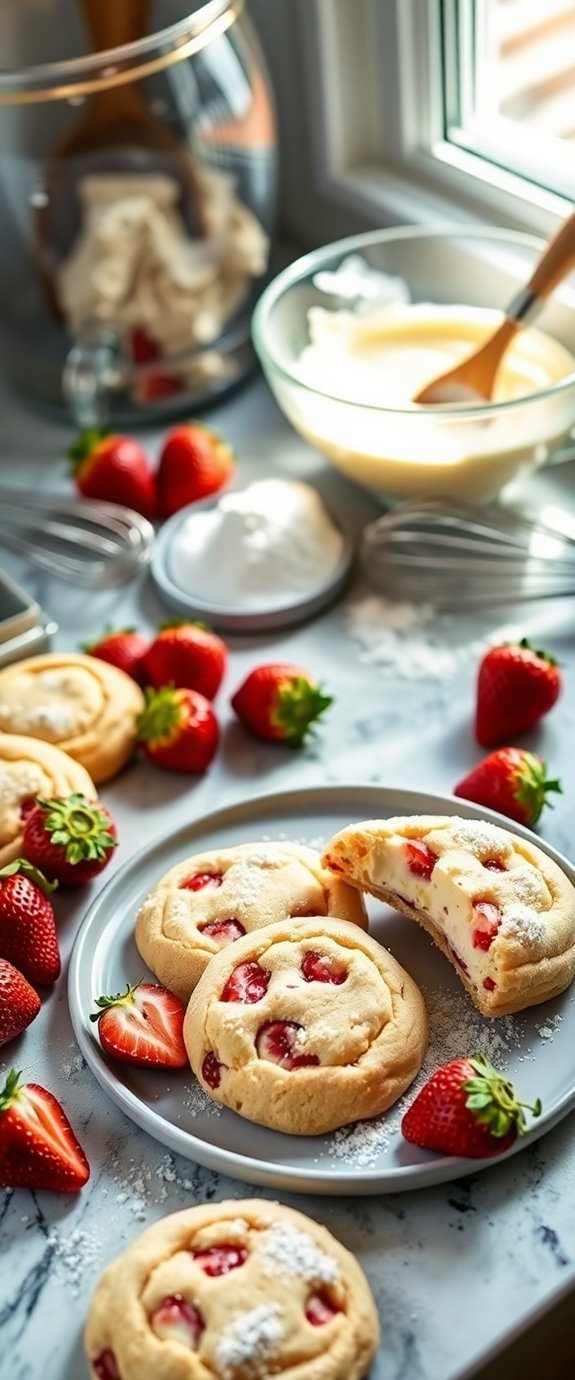
You won't believe how indulgent gluten-free almond flour cheesecake can be. Its creamy filling and nutty crust create a mouthwatering experience that rivals any traditional dessert. Whether you're gluten-sensitive or just looking for a healthier option, this cheesecake is a game changer. Curious about how to make it, or what toppings would elevate it even further? There's so much to explore when it comes to this delightful treat.
Recipe Tips and Tricks
- Gluten-free almond flour cheesecake features a creamy texture and a nutty flavor from the almond flour crust, perfect for gluten-sensitive individuals.
- The recipe includes simple ingredients like almond flour, cream cheese, and eggs, making it accessible for novice bakers.
- Bake the cheesecake at 350°F (175°C) for 45-50 minutes until set, creating a delightful dessert that pairs well with various toppings.
- Store leftovers in the refrigerator for up to five days or freeze for longer, ensuring you can enjoy this treat later.
- This cheesecake is a healthier dessert option, providing rich flavors while being lower in carbohydrates and higher in healthy fats compared to traditional recipes.
How To Make It – Recipe
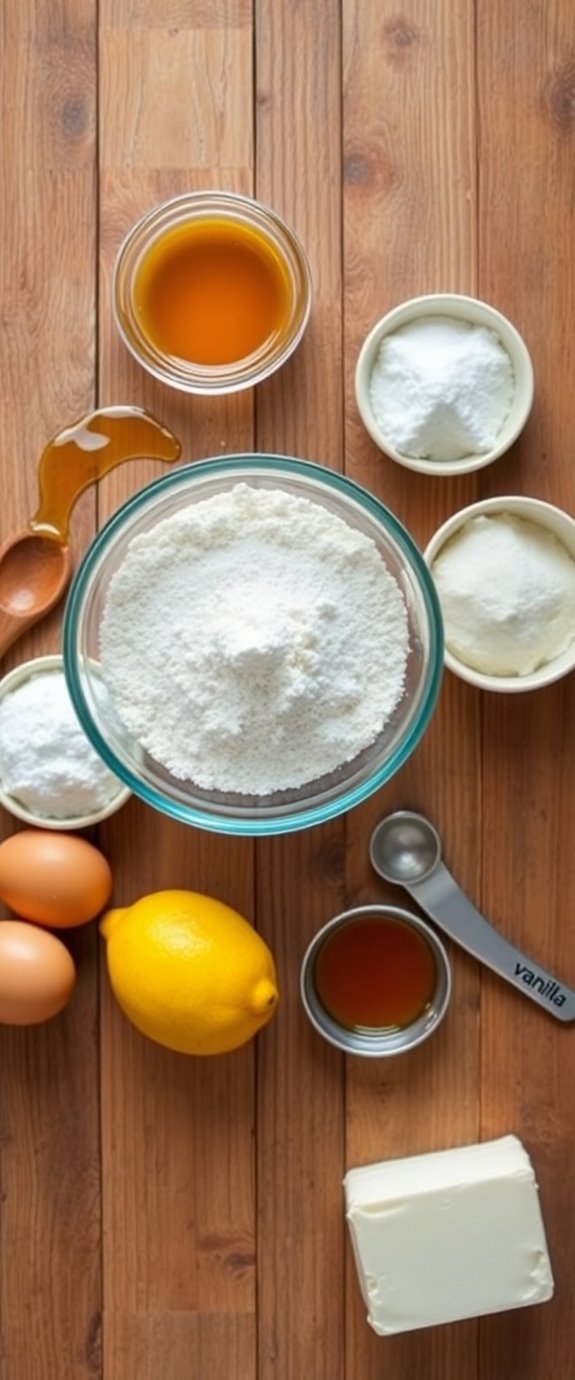
Making a gluten-free almond flour cheesecake is a delightful way to enjoy a creamy dessert without the gluten. This cheesecake is rich and smooth, with a nutty flavor from the almond flour crust that perfectly complements the sweet and tangy cream cheese filling. Ideal for those with gluten sensitivities or anyone looking to try something a little different, this dessert is sure to impress at any gathering. Additionally, this recipe is inspired by classic New York cheesecake techniques that enhance its flavor and texture.
To get started, gather your ingredients and preheat your oven. This recipe is simple and requires minimal prep time, making it perfect for both novice and experienced bakers. Once you have everything ready, you'll be well on your way to creating a delicious cheesecake that can be topped with your favorite fruits or simply enjoyed on its own.
Ingredients:
- 1 ½ cups almond flour
- ¼ cup melted coconut oil or unsalted butter
- 2 tablespoons honey or maple syrup
- 1 teaspoon vanilla extract
- 1 ½ cups cream cheese, softened
- ½ cup granulated sugar
- 3 large eggs
- 1 teaspoon lemon juice
- 1 teaspoon vanilla extract (for filling)
To make the cheesecake, start by mixing the almond flour, melted coconut oil (or butter), honey (or maple syrup), and 1 teaspoon of vanilla extract in a bowl until well combined. Press this mixture firmly into the bottom of a greased 9-inch springform pan to form the crust.
Preheat your oven to 350°F (175°C) while you prepare the filling. In a separate mixing bowl, beat the softened cream cheese until smooth, then gradually add the sugar, mixing until well incorporated. Add in the eggs one at a time, mixing well after each addition. Finally, stir in the lemon juice and the additional teaspoon of vanilla extract.
Pour the cream cheese mixture over the crust and bake for about 45-50 minutes, or until the center is set but still slightly jiggly. Allow the cheesecake to cool before refrigerating for at least 4 hours or overnight.
When cooking this dish, remember that cheesecake is best when allowed to chill completely, so don't rush the cooling process. If you want a smoother texture, consider letting the cream cheese come to room temperature before mixing.
You can also experiment with different toppings like fresh berries, chocolate ganache, or whipped cream to elevate the cheesecake's flavor. Enjoy your delicious gluten-free almond flour cheesecake!
Substitution Suggestions
While the original recipe for gluten-free almond flour cheesecake is delicious as is, there are plenty of substitution options to tailor it to your preferences or dietary needs.
For a different texture, you can experiment with alternative flours like coconut or oat flour in place of almond flour.
If you're looking to cut out dairy, try using cashew cream or coconut cream as a rich substitute for cream cheese.
Additionally, maple syrup or agave nectar can replace sugar for a healthier sweetener.
These simple swaps let you enjoy a cheesecake that fits perfectly with your lifestyle without sacrificing flavor! Moreover, using almond flour can enhance the overall taste and nutritional profile of your cheesecake.
Decorating Ideas
To elevate your gluten-free almond flour cheesecake into a stunning centerpiece, consider incorporating vibrant toppings and garnishes that not only enhance its appearance but also add layers of flavor.
Fresh berries, like strawberries and blueberries, create a burst of color and freshness. For a creamy touch, explore frosting options like whipped coconut cream or a rich cream cheese frosting.
Drizzling homemade chocolate or caramel sauce can add an indulgent flair. Sprinkle chopped nuts or toasted coconut for texture, and a dusting of cocoa powder or powdered sugar can provide a delicate finish. Additionally, using gluten-free ingredients ensures that everyone can enjoy this delightful dessert without worry.
Your cheesecake will impress both the eyes and the palate!
Serving Suggestions
After you've beautifully adorned your gluten-free almond flour cheesecake, it's time to think about how to serve it to maximize enjoyment.
For the best experience, serve your cheesecake chilled, allowing its creamy texture to shine. Pair it with fresh berries, a drizzle of honey, or a dollop of coconut whipped cream for delightful cheesecake pairings. You might even consider a side of tangy lemon curd to balance the sweetness. Remember, a perfectly chilled cheesecake enhances its flavors and makes each bite melt in your mouth. Additionally, using almond flour as a base provides a nutty flavor that complements the sweetness beautifully.
With these serving suggestions, you're sure to impress your guests and elevate dessert time!
Make-Ahead and Storage
If you're looking to simplify your dessert prep, making your gluten-free almond flour cheesecake ahead of time is a fantastic option. You can easily whip it up a day or two in advance, allowing the flavors to meld beautifully. Delicious gluten-free cheesecake recipes can elevate your holiday gatherings and impress your guests.
For freezing, slice the cheesecake into portions, wrap each piece in plastic wrap, and place them in an airtight container. This guarantees you have delicious treats ready for any occasion!
When you're ready to enjoy, just thaw in the fridge overnight. These freezing tips make meal prep a breeze, letting you savor the delightful cheesecake without the last-minute rush.
How to Store Leftovers
When you have leftover slices of your gluten-free almond flour cheesecake, storing them properly guarantees they stay fresh and delicious for your next indulgence.
First, wrap each slice tightly in plastic wrap or aluminum foil to protect it from air exposure. Then, place the wrapped slices in an airtight container for added security in leftover storage.
Store your cheesecake in the refrigerator for up to quintet days, ensuring ideal cheesecake freshness. If you want to keep them longer, consider freezing the slices.
Just remember to thaw them in the fridge before enjoying that creamy goodness again! Additionally, a well-stored cheesecake can maintain its deliciously creamy texture even after being frozen.
Nutrition Facts(per serving)
While indulging in a slice of gluten-free almond flour cheesecake, you might be curious about its nutritional profile. Each serving typically contains around 250 calories, making it a delightful treat without overwhelming your daily intake.
The almond flour not only provides a rich, nutty flavor but also offers healthy fats and protein, promoting satiety and energy. Additionally, the cheesecake's cream cheese adds calcium and beneficial probiotics, supporting gut health. The use of almond flour as a base enhances the nutritional value of this dessert, making it a healthier choice compared to traditional cheesecakes.
With minimal sugar and wholesome ingredients, you can enjoy dessert guilt-free, knowing you're savoring flavors that nourish your body while satisfying your sweet tooth. Enjoy every bite!
Final Thoughts
As you savor each bite of gluten-free almond flour cheesecake, it's clear that this dessert is more than just a delightful indulgence; it's a harmonious blend of taste and nutrition.
During a taste test, you'll discover its rich flavor profile, featuring the nutty notes of almond flour perfectly balanced with creamy cheesecake goodness.
This cheesecake appeals to both your sweet tooth and your dietary preferences, making it an ideal treat for everyone.
Whether you're gluten-sensitive or simply seeking a healthier dessert, you'll appreciate how this cheesecake satisfies cravings without compromising on flavor.
Enjoy this guilt-free dessert that truly delights! Additionally, the almond flour crust not only provides a unique texture but also adds a boost of nutrients compared to traditional crusts.
Recipe FAQs
Can I Use Almond Meal Instead of Almond Flour?
You can use almond meal instead of almond flour, but remember the differences. Almond meal has a coarser texture and more nutrients, offering benefits like fiber and healthy fats, enhancing your dish's flavor and nutrition.
Is This Cheesecake Suitable for a Vegan Diet?
Imagine a garden where every plant thrives; this cheesecake can't join the feast unless you swap dairy for vegan alternatives. With creative dairy substitutes, you can enjoy a delicious, plant-based dessert that everyone loves.
What Can I Substitute for Cream Cheese?
If you're looking to substitute cream cheese, try cottage cheese for a lighter texture or ricotta cheese for a creamier result. Both options add richness while keeping your dish delicious and satisfying without the traditional cream cheese.
How Long Does It Take to Bake?
Baking time varies, but generally, it takes about 25 to 30 minutes at an oven temperature of 350°F. You'll know it's done when the edges are set and the center slightly jiggles. Enjoy!
Can I Freeze the Cheesecake?
Yes, you can freeze the cheesecake! Use proper freezing techniques, like wrapping it tightly in plastic wrap, to maintain freshness. For best results, label it with storage tips and enjoy it within three months for ideal flavor.