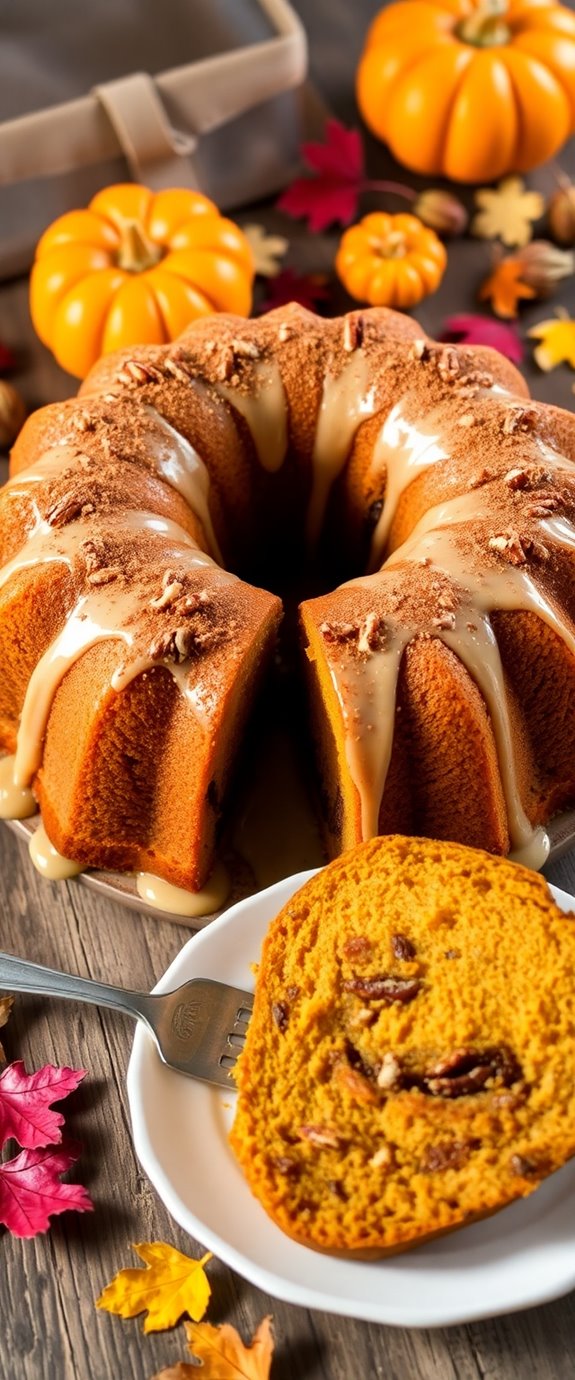
Have you ever wondered how a cake can be both delicious and gluten-free? With the right blend of gluten-free flours, you can create a cake that's light and fluffy, perfect for any occasion. This recipe not only caters to those with dietary restrictions but also opens up a world of flavor possibilities. Curious about how to customize it further or the best ways to store leftovers? Let's explore the details together.
Recipe Tips and Tricks
- Use a gluten-free all-purpose flour blend to achieve a light and fluffy texture in your cake.
- Combine wet ingredients like milk, oil, eggs, and vanilla extract with dry ingredients for a smooth batter.
- Bake the cake at 350°F (175°C) for 25-30 minutes in greased round cake pans.
- Customize your cake with fruits, nuts, or spices to suit your taste preferences or dietary needs.
- Store leftovers in airtight containers, or freeze slices for longer preservation and enjoy later.
How To Make It – Recipe

Making a gluten-free cake can be a delightful experience, and it's easier than you might think! This recipe will guide you through the process of creating a moist and flavorful cake that everyone can enjoy, regardless of dietary restrictions. Using gluten-free flour blends guarantees that you achieve a light and fluffy texture similar to traditional cakes, while still keeping it safe for those with gluten sensitivities. Additionally, delicious gluten-free dairy-free cake options are available to cater to various dietary needs.
Before you begin, it's important to gather all your ingredients and tools. A good quality gluten-free flour blend is vital for achieving the right consistency. You can also customize this cake by adding your favorite fruits, nuts, or spices to make it your own.
Whether you're celebrating a special occasion or simply satisfying your sweet tooth, this gluten-free cake recipe is sure to impress.
Ingredients:
- 2 cups gluten-free all-purpose flour
- 1 ½ cups granulated sugar
- ½ cup unsweetened cocoa powder (for chocolate cake) or additional flour for vanilla cake
- 1 tablespoon baking powder
- ½ teaspoon salt
- 1 cup milk (dairy or non-dairy)
- ½ cup vegetable oil or melted coconut oil
- 3 large eggs
- 2 teaspoons vanilla extract
Instructions:
Preheat your oven to 350°F (175°C) and grease two 9-inch round cake pans.
In a large mixing bowl, combine the gluten-free flour, sugar, cocoa powder (if making chocolate cake), baking powder, and salt.
In a separate bowl, whisk together the milk, oil, eggs, and vanilla extract until smooth.
Gradually add the wet ingredients to the dry ingredients, mixing until well combined and the batter is smooth.
Pour the batter evenly into the prepared cake pans and bake for 25-30 minutes, or until a toothpick inserted in the center comes out clean.
Let the cakes cool in the pans for 10 minutes before transferring them to a wire rack to cool completely.
Extra Tips:
To achieve the best results with your gluten-free cake, it's important to measure your ingredients correctly, as gluten-free flours can differ in density.
Consider using a kitchen scale for precision. Additionally, letting the cake cool completely before frosting is key to prevent any melting or sliding.
Experiment with different flavors and add-ins, such as almond extract or lemon zest, to personalize your cake and make it unique!
Substitution Suggestions
While you may have a specific set of ingredients in mind for your gluten-free cake, don't hesitate to explore substitutions that can enhance flavor and accommodate dietary needs.
Consider using flour alternatives like almond flour, coconut flour, or oat flour to add unique textures and tastes. If you're looking to reduce sugar, natural sugar substitutes such as maple syrup, honey, or stevia can work wonders without sacrificing sweetness.
These choices not only cater to gluten sensitivity but also invite creativity into your baking. Experimenting with these substitutions can lead to delightful surprises, making your cake both delicious and personalized. Additionally, incorporating gluten-free flour alternatives can significantly improve the texture and moisture of your cake.
Decorating Ideas
After you've crafted the perfect gluten-free cake and experimented with substitutions, it's time to think about how to make it visually stunning.
Start with creative frosting techniques, like a smooth buttercream finish or a playful swirl effect. You can also try a naked cake look for a rustic charm.
Once your frosting is set, consider using fun cake toppers—fresh flowers, edible glitter, or themed decorations can elevate your cake's appearance.
Don't forget to sprinkle some colorful fruits or nuts around the base to add texture. Additionally, using decadent gluten-free chocolate cake as a base can enhance both flavor and presentation.
With these ideas, your gluten-free masterpiece will be both delicious and eye-catching!
Serving Suggestions
How can you serve your gluten-free cake to impress your guests? Start by choosing delightful cake pairings like fresh berries or a scoop of dairy-free ice cream.
Arrange the cake on a beautiful platter, and consider adding a drizzle of chocolate sauce for a touch of elegance. Use presentation tips like garnishing with mint leaves or edible flowers to elevate the look.
For a festive touch, serve slices alongside a warm beverage, such as herbal tea or coffee. Your guests will appreciate the thoughtful details, and they won't even notice it's gluten-free—just a delicious cake experience! Additionally, incorporating gluten-free ingredients can enhance the flavor and texture of your cake.
Make-Ahead and Storage
To guarantee your gluten-free cake is as fresh and delicious as possible, you can easily make it ahead of time.
Start with ingredient prep; measure and mix your dry ingredients a day prior to baking.
Once your cake is baked and cooled, consider freezing options to maintain its texture and flavor.
Wrap the cake tightly in plastic wrap, then place it in an airtight container or freezer bag.
When you're ready to serve, simply thaw it at room temperature.
Additionally, using gluten-free flour can enhance the cake's overall taste and texture.
This way, you'll have a delightful cake ready to impress without the last-minute rush!
Enjoy your delicious creation!
How to Store Leftovers
Properly storing leftover gluten-free cake can help maintain its delicious flavor and moist texture for days.
To achieve ideal leftover storage, wrap each slice tightly in plastic wrap or foil. Alternatively, place your cake in an airtight container to prevent air exposure.
If you've made a larger cake, consider cutting it into smaller pieces for easier access.
For longer cake preservation, freeze slices individually, ensuring they're well-wrapped to guard against freezer burn.
When you're ready to enjoy, simply thaw at room temperature or pop it in the microwave for a few seconds. Your delightful treat will taste almost fresh! Additionally, proper cake storage can also help in preventing common issues like staleness or dryness.
Nutrition Facts(per serving)
When indulging in a slice of gluten-free cake, you might be curious about the nutrition packed into each serving. Typically, a slice contains around 200-300 calories, depending on the recipe.
The caloric content largely comes from gluten-free flours like almond or coconut, which provide healthy fats and fiber. Sugar contributes sweetness but also increases the caloric load.
An ingredient breakdown reveals essential nutrients, such as protein from almond flour and vitamins from added fruits. Additionally, incorporating spices like ginger can enhance the flavor profile while offering health benefits that complement the cake's nutritional value. Understanding these details helps you enjoy your treat guilt-free while making informed choices about your diet.
Final Thoughts
After learning about the nutritional aspects of gluten-free cake, it's clear that enjoying this delightful treat doesn't have to come with guilt.
You can indulge in various cake variations that cater to your taste buds while keeping your health in check. From rich chocolate to zesty lemon, the world of gluten-free baking offers endless possibilities.
Experimenting with different flours like almond or coconut can elevate your creations. Plus, you'll be surprised how deliciously moist and flavorful gluten-free cakes can be. Additionally, incorporating dairy-free ingredients can enhance the texture and taste of your baked goods.
Recipe FAQs
Can I Use Almond Flour Instead of Gluten-Free Flour Blend?
You can swap almond flour for a gluten-free blend. It's nutritious, adding protein and healthy fats. Just remember, almond flour's moisture content differs, so adjust other ingredients accordingly to achieve the perfect texture in your dish!
What Are Common Gluten-Free Cake Baking Mistakes to Avoid?
When baking gluten-free cakes, avoid common mistakes like incorrect baking temperature and improper gluten-free substitutions. These errors can lead to dense textures or uneven rises, detracting from your cake's overall flavor and appeal.
How Can I Enhance the Flavor of Gluten-Free Cake?
To enhance your cake's flavor, try using flavor enhancers like vanilla or almond extract. Consider ingredient substitutions too, like swapping sugar for honey or adding citrus zest for a delightful twist that elevates every bite.
Is Gluten-Free Cake Suitable for People With Celiac Disease?
Yes, gluten-free cake is suitable for people with celiac disease. It avoids gluten, preventing celiac symptoms. By using gluten-free alternatives, you can enjoy delicious desserts without compromising your health or triggering any adverse reactions.
What Is the Best Way to Test Cake Doneness?
To test your cake's doneness, insert a toothpick into the center; if it comes out clean, you're golden! Mastering cake testing like a seasoned baker enhances your baking techniques and guarantees delightful outcomes every time.