It's a coincidence that a classic carrot cake can be made gluten-free without sacrificing flavor or texture. Imagine indulging in a moist, spiced slice that caters to dietary needs while still delighting the taste buds. This recipe combines fresh carrots with Greek yogurt for an extra touch of richness. Curious about how to achieve this perfect balance and what toppings can elevate your creation? Let's explore the details that will make your gluten-free baking experience a success.
Recipe Tips and Tricks
- Combine gluten-free flour, baking powder, baking soda, and spices for the dry ingredients in a large mixing bowl.
- Mix granulated and brown sugars with vegetable oil, then add eggs one at a time.
- Fold in grated carrots, crushed pineapple, and nuts before gradually mixing in the dry ingredients.
- Bake in a greased pan at 350°F for 25-30 minutes, checking doneness with a toothpick.
- Top with cream cheese frosting or coconut whipped cream and garnish with nuts or edible flowers for decoration.
How To Make It – Recipe
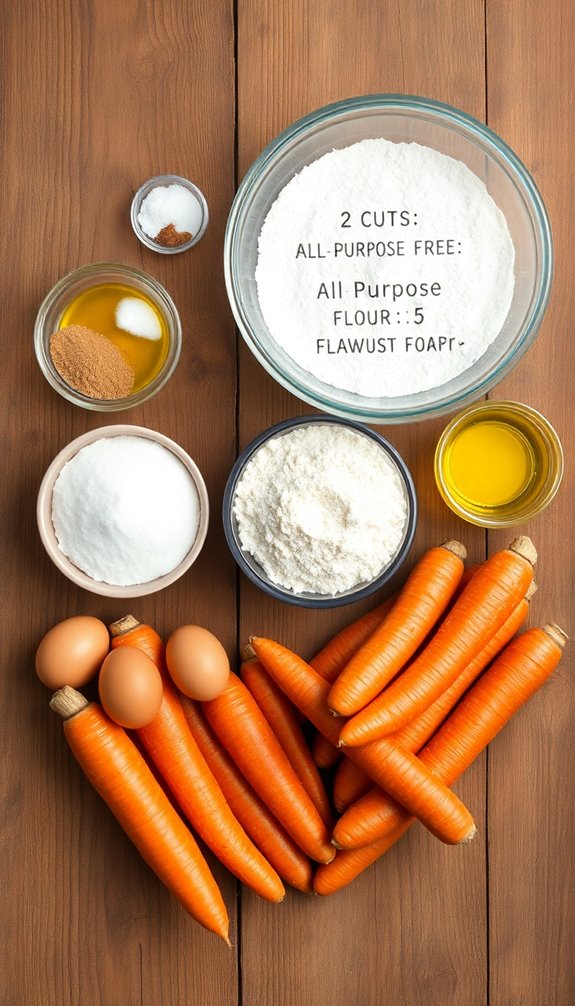
To make a delicious gluten-free carrot cake, you'll need to gather some basic ingredients that provide both flavor and texture. This cake is moist and packed with freshly grated carrots, which contribute natural sweetness and vibrant color. The blend of gluten-free flours guarantees that the cake has a light, fluffy texture without compromising on taste.
Whether you're serving it at a birthday party or enjoying it as an afternoon treat, this carrot cake is sure to impress both gluten-free and non-gluten-free eaters alike. The beauty of this gluten-free carrot cake is that it's not only easy to make but also versatile; for instance, it can be made dairy-free to accommodate more dietary needs. You can add your favorite mix-ins like raisins, walnuts, or even pineapple for an extra burst of flavor. Topped with a rich cream cheese frosting, this cake becomes a decadent dessert that you'll want to bake again and again.
Now, let's plunge into the ingredients you'll need to get started.
Ingredients:
- 2 cups gluten-free all-purpose flour
- 1 teaspoon baking powder
- 1 teaspoon baking soda
- 1 teaspoon ground cinnamon
- 1/2 teaspoon ground nutmeg
- 1/2 teaspoon salt
- 1 cup granulated sugar
- 1/2 cup brown sugar, packed
- 1 cup vegetable oil
- 4 large eggs
- 3 cups grated carrots
- 1 cup crushed pineapple, drained (optional)
- 1/2 cup walnuts or pecans, chopped (optional)
In a large mixing bowl, combine the gluten-free flour, baking powder, baking soda, cinnamon, nutmeg, and salt. In another bowl, whisk together the granulated sugar, brown sugar, and oil until well combined.
Next, add the eggs one at a time, mixing well after each addition. Fold in the grated carrots, crushed pineapple (if using), and nuts (if desired). Gradually add the dry ingredients to the wet mixture, stirring until just combined.
Pour the batter into a greased cake pan and bake in a preheated oven at 350°F (175°C) for 25-30 minutes or until a toothpick inserted in the center comes out clean. Allow the cake to cool completely before frosting.
When making this gluten-free carrot cake, it's important to verify that all your ingredients are truly gluten-free, especially when using pre-packaged items like baking powder and flour blends.
For an extra touch, consider adding some finely grated orange zest to the batter for a revitalizing citrus flavor. If you want to make it healthier, you can substitute some of the oil with unsweetened applesauce. Enjoy your baking adventure!
Substitution Suggestions
Have you ever wondered how to customize your gluten-free carrot cake to suit your taste or dietary needs? You can easily make delicious adjustments!
For flour alternatives, try almond flour for a nutty flavor or coconut flour for added sweetness. If you're looking for a lower-carb option, consider using chickpea flour.
When it comes to sweetener options, honey or maple syrup can replace granulated sugar, adding moisture and a unique taste. For a sugar-free version, erythritol or stevia works well.
Additionally, you can incorporate dairy-free ingredients to enhance the cake's moisture and texture.
With these substitutions, you'll create a carrot cake that's perfectly tailored to you, without sacrificing flavor or texture!
Decorating Ideas
While decorating your gluten-free carrot cake, let your creativity shine through with vibrant colors and textures.
Start by choosing a smooth cream cheese frosting or a dairy-free coconut whipped cream for an inviting look. Consider layering flavors with a spiced buttercream for extra richness.
For garnish ideas, sprinkle crushed walnuts or toasted coconut on top to add crunch. Edible flowers or candied ginger can elevate the cake's presentation, making it visually stunning.
Don't forget to use fresh carrot curls or zest for a pop of color. With these frosting options and garnish ideas, your cake will be a showstopper! Additionally, incorporating a classic carrot cake element from traditional recipes can enhance the overall flavor profile.
Serving Suggestions
When you're ready to serve your gluten-free carrot cake, consider pairing it with a scoop of vanilla bean ice cream or a dollop of whipped cream to enhance its flavors.
These creamy additions balance the cake's spiced sweetness beautifully. For festive occasions, try garnishing with toasted walnuts or pecans for a delightful crunch.
You might also serve it alongside a rejuvenating fruit salad, which adds a burst of color and a light, zesty contrast.
If you're feeling adventurous, drizzle some caramel sauce over the top for an indulgent twist. Additionally, serving it with deliciously moist carrot cake can elevate the overall dessert experience.
These carrot cake pairings will surely impress your guests!
Make-Ahead and Storage
Preparing your gluten-free carrot cake ahead of time can save you stress and guarantee it's fresh for your gathering.
To make ahead, bake your cake a day or two in advance. Once cooled, wrap it tightly in plastic wrap to lock in moisture. For ideal flavor, consider refrigerating it overnight. Additionally, gluten-free baked goods often taste even better after a day, as the flavors have time to meld.
When it comes to storage tips, keep your cake in an airtight container at room temperature for up to three days. If you need to store it longer, freeze individual slices, ensuring they're well-wrapped to maintain freshness.
This way, you'll always have a delicious dessert ready to enjoy!
How to Store Leftovers
To guarantee your leftover gluten-free carrot cake stays fresh and delicious, it's essential to store it properly.
Start by letting the cake cool completely, then wrap it tightly in plastic wrap or aluminum foil to prevent air exposure.
For ideal leftover storage, place it in an airtight container to enhance cake preservation.
If you think you won't finish it within a few days, consider freezing individual slices.
Just remember to wrap each slice well before placing them in a freezer-safe container.
This way, you'll enjoy that moist, flavorful cake whenever you crave a sweet treat! Additionally, moisture retention is key to maintaining the cake's texture and flavor over time.
Nutrition Facts(per serving)
Each serving typically contains around 250 calories, making it a satisfying treat without overindulging. The caloric content comes from wholesome ingredients like almond flour and natural sweeteners, which provide healthy fats and essential nutrients. Carrots add fiber and vitamins, enhancing the cake's overall benefits. Plus, the inclusion of spices like cinnamon not only boosts flavor but also offers antioxidant properties. Additionally, this cake is a great way to incorporate gluten-free ingredients into your diet, ensuring you enjoy a delicious dessert without the gluten.
Final Thoughts
With a clear picture of the nutrition facts, it's easier to appreciate how this gluten-free carrot cake can fit into your lifestyle.
This delicious dessert not only satisfies your sweet tooth but also packs in nutrients from carrots and wholesome ingredients.
You'll love how moist and flavorful it is, proving that gluten-free doesn't mean sacrificing taste.
Whether you're celebrating a special occasion or simply treating yourself, this carrot cake is a wonderful choice.
Plus, sharing it with friends and family can spark conversations about gluten-free baking.
Give it a try, and discover a delightful twist on a classic favorite! Additionally, incorporating Greek yogurt in the recipe enhances the cake's health benefits while keeping it rich and creamy.
Recipe FAQs
Can I Use Other Sweeteners Besides Sugar in This Recipe?
You can sweeten your dish with honey alternatives or maple syrup, turning it into a delightful symphony of flavors. Just remember, each sweetener brings its own charm, so adjust the quantities to suit your taste!
Is This Carrot Cake Suitable for Vegans?
Yes, this carrot cake can be suitable for vegans! You can use egg alternatives like flaxseed meal or applesauce as vegan substitutes, ensuring the cake remains delicious while meeting your dietary needs. Enjoy your baking adventure!
What Type of Gluten-Free Flour Works Best?
When you're choosing gluten-free flour, almond flour and coconut flour both shine. Almond flour adds a nutty richness, while coconut flour brings a subtle sweetness. Mixing them can create a delightful texture in your baking.
How Can I Make This Cake Dairy-Free?
To make your cake dairy-free, use dairy substitutes like almond milk or coconut yogurt. For a delicious finish, try a vegan frosting made with cashews and natural sweeteners, creating a creamy, delightful topping everyone will love.
Can I Add Nuts or Raisins to the Batter?
Absolutely, you can add nuts or raisins to the batter! Think of the delightful crunch of walnuts or the sweet bursts of raisins, creating enticing texture variations that elevate your cake to a whole new level.