When it comes to making a layer vanilla cake, you'll find the process both enjoyable and rewarding. The combination of soft, fluffy layers and rich flavor creates a perfect base for endless customization. From selecting your ingredients to choosing the ideal frosting, every step plays an essential role in the final result. Curious about how to achieve that perfect balance? Let's explore the nuances of this delightful recipe together.
Recipe Tips and Tricks
- Combine 2 ¾ cups flour, 2 ½ tsp baking powder, ½ tsp baking soda, and 1 tsp salt in a bowl for dry ingredients.
- Cream 1 cup softened butter and 2 cups sugar until fluffy; add 4 eggs and 1 tbsp vanilla extract, mixing well.
- Alternate adding dry ingredients and 1 cup buttermilk to the wet mixture to create the batter.
- Pour the batter into greased/floured pans and bake at 350°F (175°C) for 25-30 minutes.
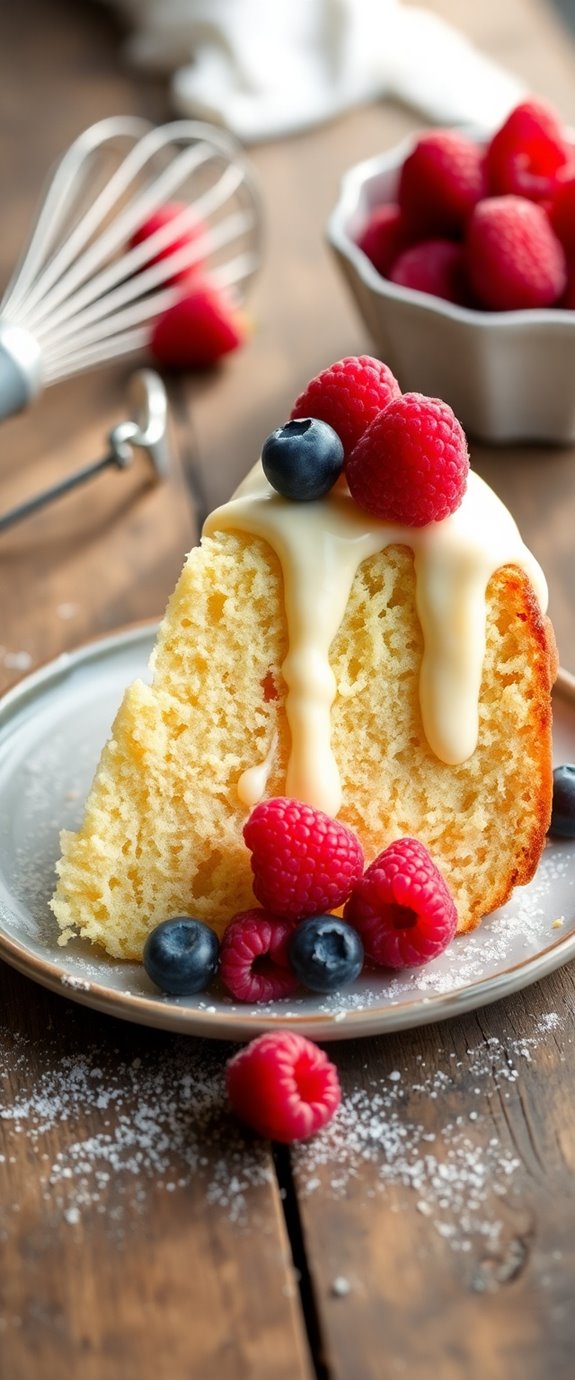
- Decorate with frosting, fresh berries, or edible flowers for an appealing finish.
How To Make It – Recipe

To create a delicious layer vanilla cake, you'll want to start by gathering your ingredients and preparing your baking tools. This classic dessert is perfect for any occasion, from birthdays to weddings, and can be customized with your favorite fillings and frostings. The key to a moist and fluffy cake lies in the right blending of ingredients and paying attention to baking times. Deliciously moist vanilla cake is often achieved through careful mixing and ingredient selection.
Once you have everything ready, preheat your oven to 350°F (175°C) and prepare your cake pans by greasing and flouring them. This will help guarantee that your cake layers come out smoothly without sticking to the pans. With the right preparation and a little patience, you'll soon have a stunning layer cake that will impress your family and friends.
Ingredients:
- 2 ¾ cups all-purpose flour
- 2 ½ tsp baking powder
- ½ tsp baking soda
- 1 tsp salt
- 1 cup unsalted butter, softened
- 2 cups granulated sugar
- 4 large eggs
- 1 tbsp vanilla extract
- 1 cup buttermilk
In a large mixing bowl, cream together the softened butter and granulated sugar until light and fluffy. Add the eggs one at a time, mixing well after each addition. Stir in the vanilla extract.
In another bowl, combine the flour, baking powder, baking soda, and salt. Gradually add the dry ingredients to the wet mixture, alternating with the buttermilk, beginning and ending with the flour mixture. Mix until just combined, being careful not to overmix.
Divide the batter evenly between the prepared cake pans and smooth the tops. Bake for 25-30 minutes or until a toothpick inserted into the center comes out clean. Allow the cakes to cool in the pans for 10 minutes before transferring them to wire racks to cool completely.
For the best results, make sure all your ingredients are at room temperature before you start mixing. This helps create a more uniform batter, leading to a better texture in the final product.
Additionally, consider using cake strips around your pans to guarantee even baking and prevent doming. Once your cake is cooled, feel free to get creative with fillings and frostings to make it your own!
Substitution Suggestions
Once you've mastered the basic layer vanilla cake recipe, experimenting with substitutions can elevate your baking game.
Try swapping traditional vanilla extract with almond or coconut extract for a unique twist. If you're looking for dairy alternatives, consider using almond milk or oat milk in place of regular milk, which can add a subtle flavor while keeping your cake moist.
You can also use coconut oil instead of butter for a delightful richness. Additionally, incorporating almond flour can enhance both the texture and flavor, adding a nutty undertone to your cake.
These simple modifications not only cater to dietary preferences but also inspire creativity, allowing you to craft a cake that's distinctly your own.
Happy baking!
Decorating Ideas
While your layer vanilla cake cools, it's the perfect time to release your creativity with decorations that will elevate its presentation.
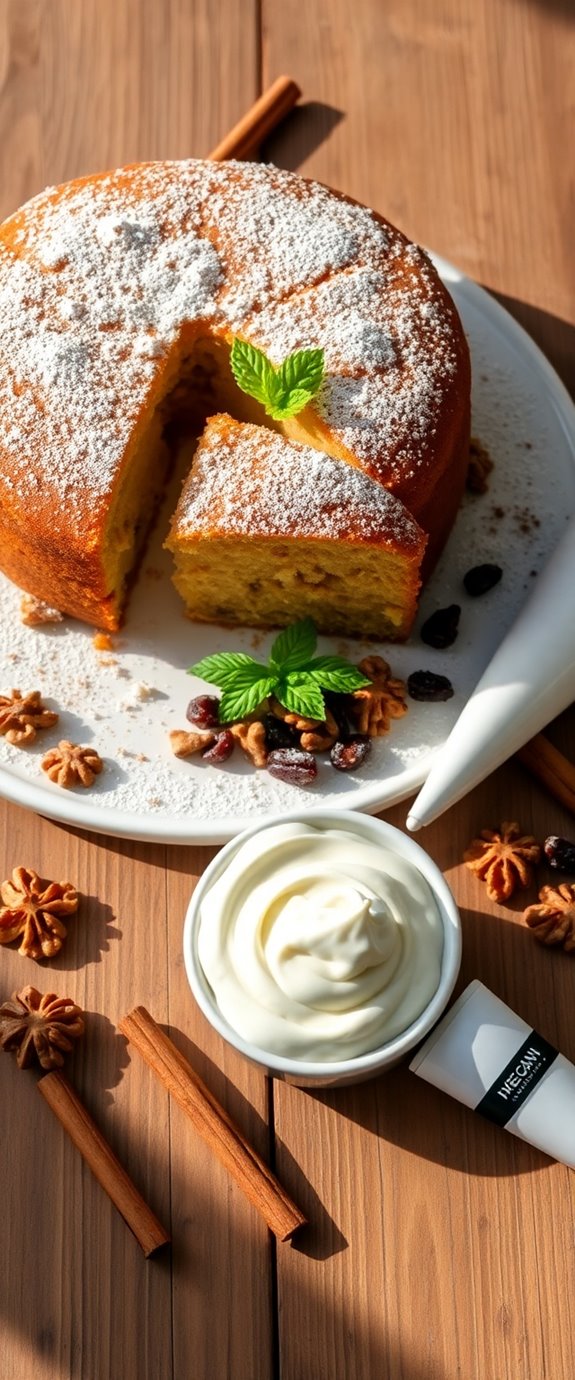
Consider using various frosting techniques, like smooth spreading or piping elegant rosettes. For a pop of color, add fresh berries or edible flowers atop the frosting.
Cake toppers can also make a statement; think whimsical figurines or stylish letters spelling out a special message.
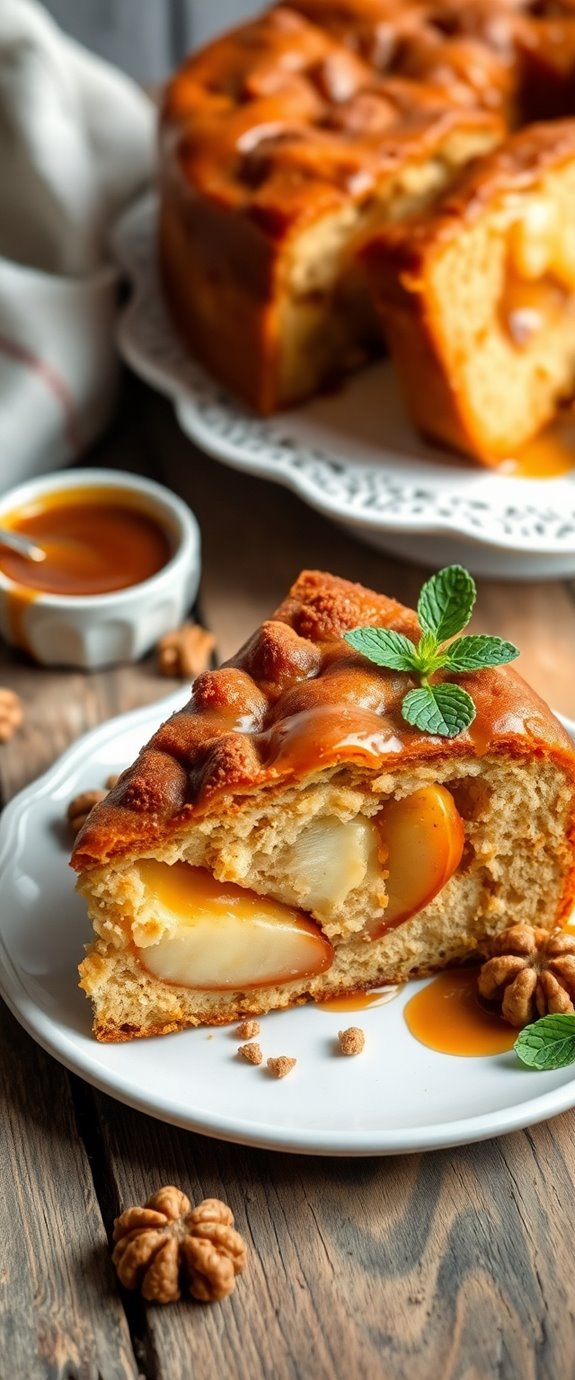
If you're feeling adventurous, drizzle melted chocolate or caramel for a decadent touch. Additionally, incorporating vanilla cake cupcakes into your celebration can provide a delightful complement to your layer cake.
With these ideas, you'll transform your cake into a stunning centerpiece that's sure to impress anyone who lays eyes on it!
Serving Suggestions
As you prepare to serve your layer vanilla cake, think about how to create an inviting experience for your guests.
Consider pairing your cake with fresh berries, a scoop of vanilla ice cream, or a drizzle of warm chocolate sauce. These cake pairings enhance the cake's delicate flavor while adding a touch of elegance.
Serve the cake at room temperature to allow its moistness to shine through, or slightly chilled for a rejuvenating twist. Additionally, you might consider serving it alongside a delightful lemon coffee cake, which can complement the vanilla flavor beautifully.
Don't forget to garnish with mint leaves for a pop of color. Your guests will appreciate the thoughtful presentation just as much as the delicious cake itself!
Make-Ahead and Storage
To enjoy your layer vanilla cake at its best, you can easily make it ahead of time and store it properly.
The make-ahead benefits are significant; you'll save precious time on special occasions. After baking and cooling, wrap each layer tightly in plastic wrap. For longer storage, consider freezing techniques: place the wrapped layers in an airtight container or freezer bag. Additionally, a simple and delicious vanilla cake can be a versatile base for various frostings and fillings.
When you're ready to serve, simply thaw the layers in the fridge overnight. This way, your cake remains moist and delicious, allowing you to focus on the celebration while enjoying a delightful homemade treat.
How to Store Leftovers
After you've savored a slice or two of your delicious layer vanilla cake, it's important to store the leftovers properly to maintain their freshness.
For ideal leftover storage, wrap each slice tightly in plastic wrap or place it in an airtight container. This helps keep the moisture locked in and prevents any unwanted odors from seeping in.
You can also refrigerate the cake for up to a week, ensuring perfect cake preservation. If you want to enjoy it later, consider freezing the slices. Just remember to label them, so you can savor your sweet treat whenever the craving strikes! Additionally, make sure to use all-purpose flour for the best texture and flavor when baking your cake.
Nutrition Facts(per serving)
A single slice of layer vanilla cake offers a delightful balance of flavor and nutrition. With a caloric content averaging around 300 calories, this treat provides a sweet indulgence without overwhelming your diet.
The ingredient breakdown reveals a mix of flour, sugar, eggs, and vanilla, which contribute essential nutrients. Each slice packs in carbohydrates for energy and a touch of protein for sustenance.
Though it's a dessert, you can enjoy it guilt-free by savoring the rich flavors while being mindful of portion sizes. It's a perfect way to celebrate life's moments without straying too far from your nutritional goals. Additionally, pairing it with a zesty lemon cake can enhance the overall dessert experience.
Final Thoughts
Layer vanilla cake isn't just a treat; it's a celebration of flavor and a demonstration of the joy of baking. With each layer, you create a canvas for your imagination.
Don't forget those baking tips—proper measurements and room temperature ingredients make all the difference. Experiment with flavor variations like lemon zest or almond extract to elevate your cake. A moist cake often results from careful ingredient selection and the right baking techniques.
Whether you're crafting it for a birthday or a simple family gathering, this cake invites creativity. So, preheat that oven, gather your ingredients, and let your inner baker shine.
You're sure to impress with a delightful layer vanilla cake that everyone will love!
Recipe FAQs
Can I Use Cake Flour Instead of All-Purpose Flour?
You can definitely use cake flour instead of all-purpose flour. Cake flour's finer texture creates a tender crumb, enhancing your bake. Just remember, the flour texture differences may affect your cake's structure and moisture levels.
What Type of Vanilla Extract Is Best for Flavor?
When choosing vanilla extract, you'll find pure vanilla offers a rich, authentic flavor, while artificial vanilla can be more affordable but lacks depth. For the best taste, always opt for pure vanilla in your baking.
How Can I Make a Gluten-Free Version of This Cake?
You can't make an omelet without breaking a few eggs. For a gluten-free cake, use flour alternatives like almond or coconut flour. These gluten-free substitutes maintain texture while enhancing flavor, creating a delightful dessert experience.
Can I Add Fruit or Nuts to the Cake Batter?
You can add fruit for fresh flavor combinations or nuts for delightful texture variations. Just make sure to adjust the batter slightly to maintain consistency, and enjoy your unique, delicious cake creation!
How Do I Prevent the Cake From Sinking in the Middle?
Preventing your cake from sinking in the middle is like keeping a balloon afloat. Guarantee proper cake structure by using the right baking temperature; avoid opening the oven door too soon, letting that heat escape.