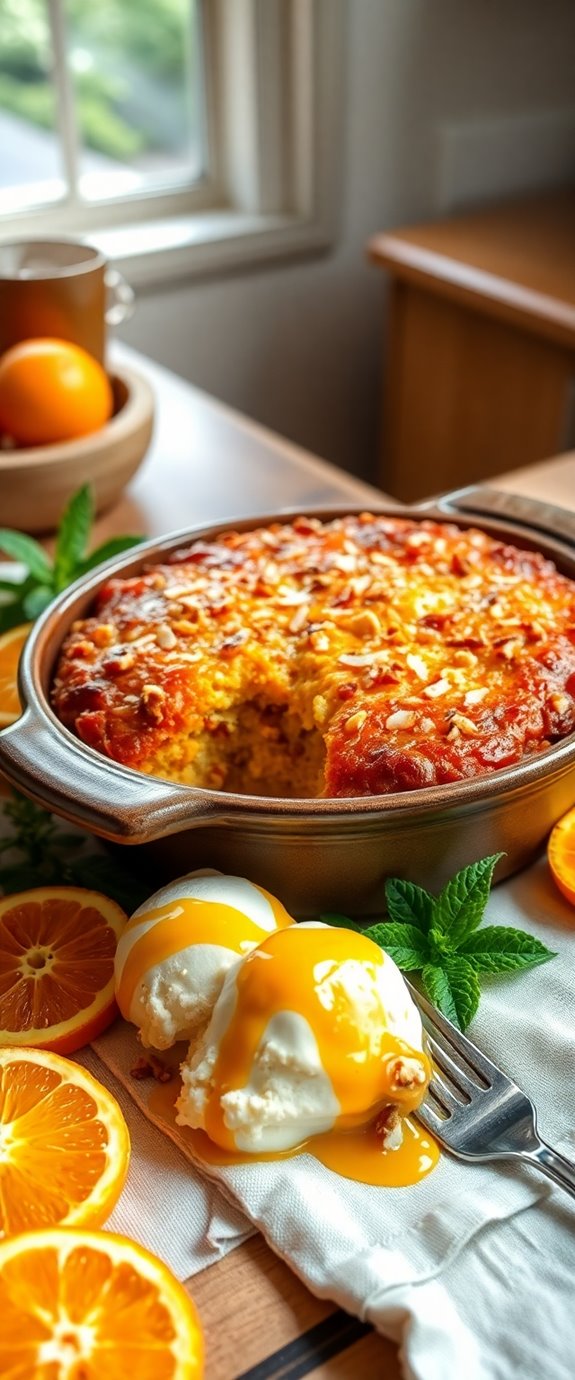
Did you know that lemon cakes are among the top quintet favorite desserts in the U.S.? Their bright, zesty flavor and buttery texture make them a popular choice for celebrations and casual gatherings alike. Whether you're a seasoned baker or just starting, mastering this recipe opens up a world of possibilities. With just a few simple ingredients, you can create a delightful treat that's sure to impress. What secret twists can elevate your lemon cake to the next level?
Recipe Tips and Tricks
- Gather fresh ingredients, including lemon juice and zest, and preheat your oven to 350°F (175°C) for optimal baking conditions.
- Cream softened butter and granulated sugar until fluffy, then alternate adding dry ingredients with milk for a smooth batter.
- Bake the cake in a greased 9-inch round pan for 25-30 minutes, ensuring it's fully cooked before removing from the oven.
- Enhance your cake's flavor by adding poppy seeds, lavender, or extra lemon zest, and consider gluten-free or vegan substitutions if needed.
- Decorate with frosting, fresh berries, or a lemon glaze, and serve with whipped cream or ice cream for a delightful finish.
How To Make It – Recipe

To make a delicious lemon cake, you'll want to start by gathering all your ingredients and preheating your oven to 350°F (175°C). This classic dessert is perfect for any occasion, whether it's a birthday celebration, a picnic, or simply a sweet treat to enjoy with your afternoon tea. The bright, zesty flavor of lemon combined with the sweetness of the cake creates a delightful balance that will leave everyone wanting more.
Once you've prepared your workspace and gathered your ingredients, you can begin the process of creating this scrumptious lemon cake. The key to a moist and flavorful cake lies in the freshness of your ingredients, especially the lemons. Using freshly squeezed lemon juice and zest will elevate the taste and give your cake a vibrant, citrusy punch that's sure to impress your family and friends. A well-made cake can be as irresistible as a decadent brownie cake.
Ingredients:
- 1 ½ cups all-purpose flour
- 1 cup granulated sugar
- ½ cup unsalted butter, softened
- 2 large eggs
- ½ cup milk
- 1 tablespoon lemon zest
- ¼ cup freshly squeezed lemon juice
- 1 ½ teaspoons baking powder
- ½ teaspoon salt
- Powdered sugar for dusting (optional)
To make the lemon cake, cream together the softened butter and granulated sugar in a large mixing bowl until light and fluffy. Add the eggs one at a time, mixing well after each addition. Stir in the lemon zest and lemon juice.
In a separate bowl, combine the flour, baking powder, and salt. Gradually add the dry ingredients to the wet mixture, alternating with the milk, and mix until just combined. Pour the batter into a greased 9-inch round cake pan and bake for 25-30 minutes, or until a toothpick inserted into the center comes out clean. Allow the cake to cool in the pan for 10 minutes before transferring it to a wire rack to cool completely.
When baking your lemon cake, remember to avoid overmixing the batter as this can lead to a dense cake. Make sure to use fresh lemons for the best flavor, and feel free to add a lemon glaze or frosting on top for extra sweetness and a beautiful finish.
This cake can be stored in an airtight container at room temperature for a few days or refrigerated for longer freshness. Enjoy your homemade lemon cake!
Substitution Suggestions
If you're looking to tweak the lemon cake recipe to suit your preferences or dietary needs, there are plenty of substitution suggestions to contemplate.
For a gluten-free option, swap all-purpose flour for almond or coconut flour. If you're vegan, replace eggs with mashed bananas or applesauce, creating delightful baking alternatives.
Instead of granulated sugar, consider honey or agave for a natural sweetness. To elevate the flavor, add a splash of vanilla or a hint of lemon zest, providing those delicious flavor enhancements.
Additionally, you can experiment with low-carb sweeteners to make the cake even more keto-friendly, ensuring it fits into a low-carb diet while still being delicious.
With these adjustments, you can create a lemon cake that's uniquely yours, satisfying every palate and dietary requirement.
Decorating Ideas
Transforming your lemon cake into a stunning centerpiece can be as simple as a few creative touches.
Start with smooth frosting techniques, like a classic swirl or a delicate rosette, to enhance its visual appeal. You can use lemon-flavored buttercream or a tangy cream cheese frosting for a zesty twist.
Next, explore garnish options—sprinkle candied lemon zest or edible flowers atop your cake for a pop of color. Fresh berries or mint leaves can also create beautiful contrasts.
Finally, a light dusting of powdered sugar gives it an elegant finish, making your lemon cake irresistible and perfect for any occasion. Incorporating fresh raspberries can also add a burst of flavor and vibrant color to your cake.
Serving Suggestions
While serving your lemon cake, consider pairing it with complementary flavors that enhance its zesty profile. Drizzle a luscious lemon glaze over each slice, adding a glossy finish that's irresistible.
For a burst of invigoration, serve it alongside a vibrant medley of fresh berries—think juicy strawberries, tart raspberries, and plump blueberries. The sweetness of the berries perfectly balances the cake's tangy notes, creating a delightful harmony.
You might also add a dollop of whipped cream or a scoop of vanilla ice cream for an indulgent touch. Your guests will love this invigorating combination, making every bite a celebration of flavor! Additionally, consider incorporating lemon blueberry cake into your dessert offerings for a refreshing twist that combines the best of both worlds.
Make-Ahead and Storage
To guarantee your lemon cake is ready when you need it, consider making it a day in advance. Baking ahead allows the flavors to meld beautifully, enhancing the cake's zesty profile. Additionally, using moist ingredients like zucchini in your cake can contribute to a delightful texture. If you want to freeze your cake, slice it into individual portions for easy defrosting. Wrap each piece tightly in plastic wrap, then place them in an airtight container. For delightful dessert pairings, think about serving it with fresh berries or a dollop of whipped cream. This makes your cake even more enjoyable, ready to impress your guests without the last-minute rush! Enjoy your deliciously crafted lemon cake!
How to Store Leftovers
After you've savored your lemon cake, it's essential to store any leftovers properly to maintain its fresh, zesty flavor.
For ideal leftover storage, wrap the cake tightly in plastic wrap or place it in an airtight container. This helps seal in moisture and keeps it from drying out.
If you've got a whole cake, refrigerate it to prolong its shelf life; if it's cut, consider freezing individual slices for later enjoyment. Remember that homemade cakes can have different storage needs compared to store-bought ones, as they often lack preservatives.
For cake preservation, remember to let it cool completely before wrapping.
With these simple steps, you'll enjoy your delightful lemon cake even days after that first heavenly bite!
Nutrition Facts(per serving)
When you indulge in a slice of lemon cake, knowing its nutritional profile can enhance your enjoyment. Each serving typically contains around 250 calories, offering a sweet balance of flavor and energy.
The zesty lemon not only tantalizes your taste buds but also provides a boost of vitamin C, promoting immunity. The eggs deliver protein, essential for muscle repair, while the flour contributes carbohydrates for energy.
You'll also find healthy fats from butter, which can support heart health in moderation. Furthermore, incorporating delicious homemade cake into your baking repertoire allows you to explore various flavors and textures. Understanding these ingredient benefits lets you savor your treat guilt-free, appreciating both the taste and the nutrition in every bite.
Final Thoughts
While you may be tempted to rush through dessert, taking a moment to appreciate the layers of flavor in lemon cake can elevate your experience.
The zesty brightness of lemon mingles perfectly with the buttery richness, creating a delightful balance.
Don't forget to experiment with flavor variations—try adding poppy seeds for crunch or a hint of lavender for a floral note.
Remember these baking tips: verify your ingredients are at room temperature for the best texture and always measure accurately.
For an added twist, consider pairing your lemon cake with a chocolate cake for a delicious contrast that will impress your guests.
Savor each bite, and you'll find that this humble cake can turn an ordinary moment into a memorable celebration.
Enjoy!
Recipe FAQs
Can I Use a Different Type of Flour for Lemon Cake?
Yes, you can definitely use different types of flour for your cake. Gluten-free options like almond or coconut flour work well, and flour substitutes can add unique flavors, enhancing your dessert's overall taste and texture.
What Is the Best Lemon Variety for Baking?
When baking, you'll love using Meyer lemons for their sweet, floral notes. However, if you prefer a tart flavor, opt for Eureka lemons. Both varieties elevate your dishes, adding vibrant taste and freshness.
How Can I Enhance the Lemon Flavor in the Cake?
To release a citrus explosion, you'll want to saturate your cake with lemon extracts and pair it with zesty companions like orange or lime. This'll create a symphony of flavors that'll tantalize your taste buds!
Is Lemon Zest Necessary for the Recipe?
Lemon zest isn't strictly necessary, but it adds vibrant flavor and aroma. If you don't have it, consider substitutes like lemon juice or other citrus zest, though they won't replicate the zest's unique benefits completely.
Can I Make Mini Lemon Cakes Instead of One Large Cake?
You can absolutely make mini lemon cakes instead of one large cake! Mini cake baking offers delightful portion control, letting you savor each bite while creating an enticing spread that dazzles your guests. Enjoy the fun!