Last reviewed: May 2026
Eye makeup enhances facial features, expresses individuality, and can transform an appearance for any occasion. Mastering various techniques allows for versatility, from subtle daytime enhancements to dramatic evening statements. This guide explores fundamental principles and advanced applications to elevate your cosmetic skills.
Understanding different eye shapes, such as eye makeup for hooded eyes, is crucial for applying products effectively. Tailoring techniques to individual features ensures the most flattering results. The right tools and products, often found in a comprehensive eye makeup kit, simplify application and improve precision.
This article will detail various eye makeup looks, from eye makeup simple applications to intricate designs, providing step-by-step instructions. Readers will learn how to select appropriate products, apply them skillfully, and adapt techniques for diverse eye shapes and desired outcomes.
According to experts, a well-chosen eye makeup application can significantly impact overall facial aesthetics, drawing attention to the eyes and creating a sense of balance. For instance, the National Eye Institute emphasizes the importance of proper hygiene and product selection to maintain eye health while using cosmetics.
To achieve stunning eye makeup looks, consider these key elements:
- Understanding Your Eye Shape: Different eye shapes (e.g., almond, round, hooded, monolid) benefit from specific application techniques to maximize their beauty.
- Product Selection: Choosing the right primers, eyeshadows, eyeliners, and mascaras based on your skin type, eye sensitivity, and desired look is paramount.
- Tool Proficiency: Utilizing appropriate brushes and applicators can make a significant difference in precision and blending.
- Color Theory: Learning how colors interact and complement each other can elevate your eye makeup from good to exceptional.
How to Do Basic Eye Makeup Step-by-Step
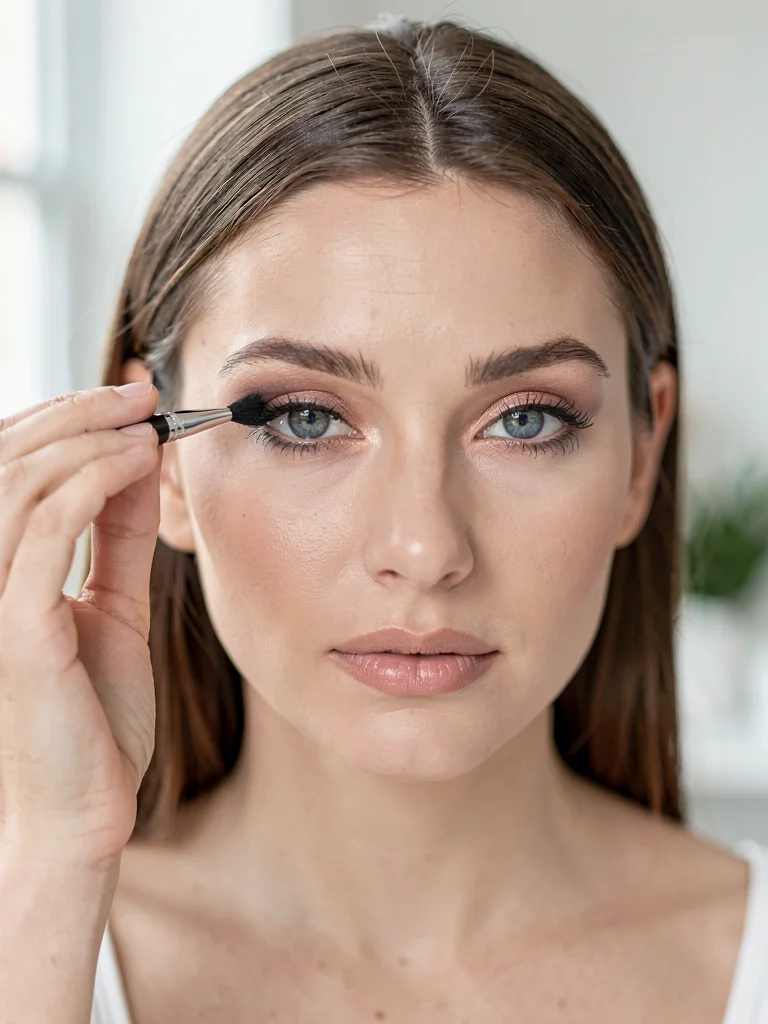
Achieving basic eye makeup involves a sequential application of primer, shadow, liner, and mascara to define and enhance the eyes. Begin by applying an eyeshadow primer to create a smooth base and ensure longevity of your eye makeup (for recommendations, see this article on best eyeshadow primers: https://www.allure.com/story/best-eyeshadow-primers). Next, sweep a neutral base shadow across the entire lid, extending up to the brow bone.
This step unifies the skin tone and prepares the canvas for further color. According to experts at Sephora, proper blending is key to a seamless finish and prevents harsh lines that can detract from your overall look https://www.sephora.com/beauty/makeup-tips-tricks.
For depth, apply a slightly darker, matte shade into the crease of the eyelid using a fluffy blending brush. Blend this color outward and upward to soften any harsh lines, which is particularly beneficial for creating various eye makeup looks. Define the lash line with a thin application of eyeliner, choosing a pencil or gel for a softer look, or liquid for more precision.
Finish by curling your lashes and applying one to two coats of mascara to both upper and lower lashes.
- Select a neutral palette: Opt for browns, grays, or taupes for versatile everyday wear.
- Use appropriate brushes: A flat brush for packing color and a fluffy brush for blending are essential.
- Consider your eye shape: Adjust liner thickness and shadow placement; for instance, extending shadow slightly past the outer corner can open up eye makeup for hooded eyes.
Eye Makeup for Sensitive Skin:
Can You Wear Eyeliner with Blepharitis?
Wearing eyeliner with blepharitis is generally discouraged during flare-ups to prevent exacerbating inflammation and potential infection. Blepharitis involves inflammation of the eyelids, and applying cosmetics can introduce bacteria or irritate the delicate skin further American Academy of Ophthalmology. If symptoms are mild or in remission, specific precautions are essential to minimize risk. According to experts at the Mayo Clinic, individuals with blepharitis should prioritize eye health over cosmetic application, especially when symptoms are active Mayo Clinic.
Opt for hypoallergenic and ophthalmologist-tested eyeliners that are less likely to contain irritating ingredients. Avoid pencil eyeliners that require sharpening, as they can harbor bacteria; instead, choose new, sterile liquid or gel liners with disposable applicators. Applying eyeliner only to the outer lash line, away from the inner rim, can also reduce direct contact with inflamed areas. When considering any eye makeup application with blepharitis, always consult with an ophthalmologist or dermatologist to ensure it won’t worsen your condition.
- Always apply eyeliner with clean hands and a fresh, sterile applicator to prevent bacterial transfer.
- Remove all eye makeup thoroughly each night using a gentle, non-irritating cleanser specifically designed for sensitive eyes.
- Discard any eye makeup products, especially mascaras and eyeliners, that have been used during a blepharitis flare-up to avoid reintroducing bacteria.
Choosing the Right Eye Makeup Products
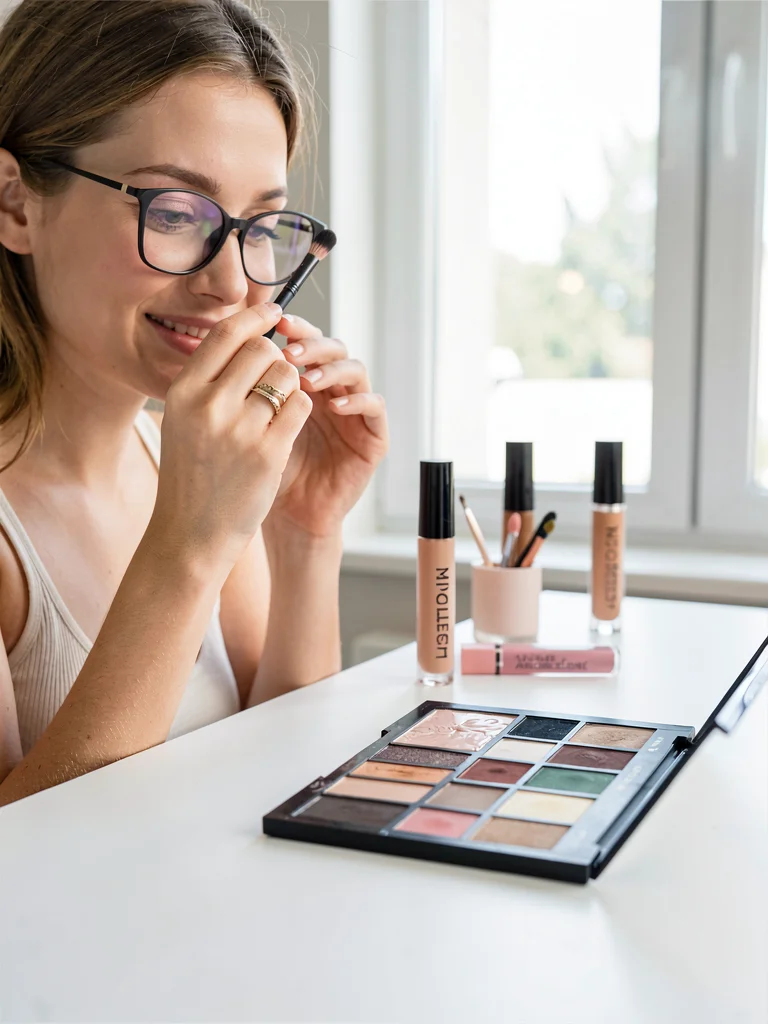
Selecting the right eye makeup products involves understanding individual needs, desired outcomes, and ingredient compatibility to ensure both aesthetic appeal and eye health. Product choices significantly influence the longevity and impact of various eye makeup looks.
For instance, individuals aiming for eye makeup simple applications might prioritize multi-use products like a cream shadow that doubles as a liner. A comprehensive eye makeup kit often includes a range of products, from primers to setting sprays, to facilitate diverse styles. Primers create a smooth base, enhancing shadow vibrancy and preventing creasing for up to 12 hours Cosmetic Science Journal. According to experts, choosing products with beneficial ingredients like hyaluronic acid or vitamin E can also offer skincare benefits while enhancing your look Dermatology Times.
- Opt for waterproof formulas for extended wear or humid conditions, particularly for mascara and eyeliner.
- Consider cream eyeshadows for mature skin, as they tend to settle less into fine lines than powder formulations.
- Invest in a high-quality makeup remover specifically designed for the delicate eye area to ensure thorough cleansing without irritation.
Popular Eye Makeup Looks and Trends
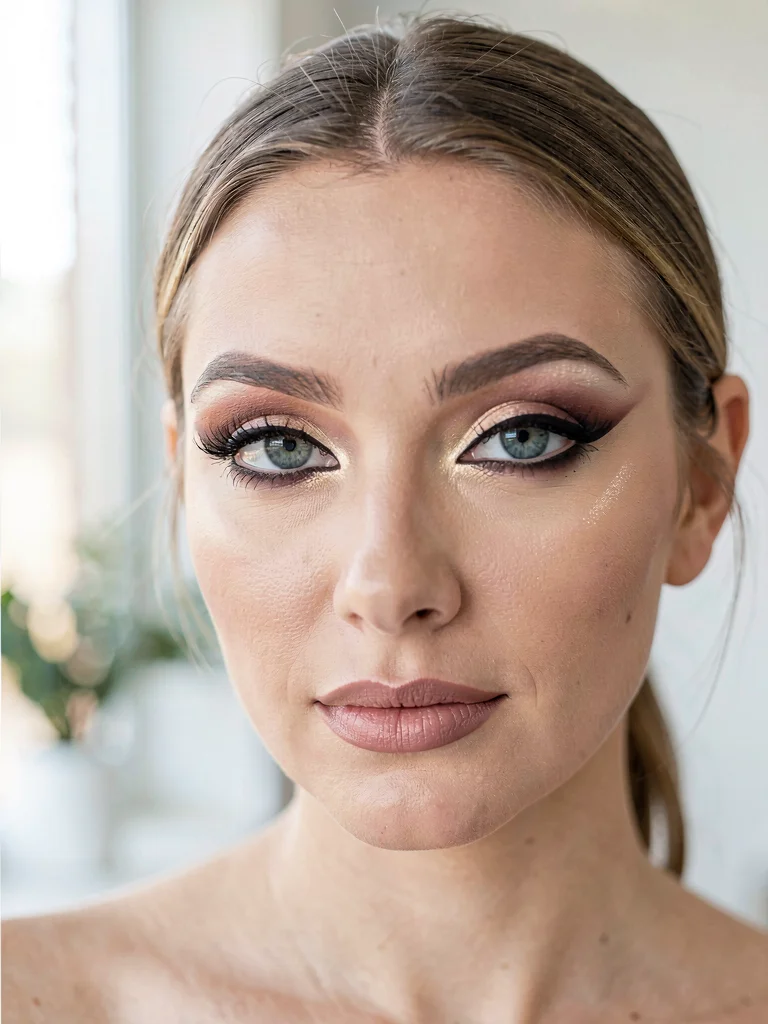
The “Smoky Eye” remains a perennially popular choice, characterized by a gradient of dark eyeshadows that create a dramatic, blended effect. This look often features deep grays, blacks, or browns, extending from the lash line upwards and outwards. Achieving a classic smoky eye typically involves layering and blending at least three shades for seamless transitions.
Another prominent trend is the “Cut Crease,” which defines the eyelid crease with a sharp, unblended line of contrasting eyeshadow. This technique creates the illusion of a larger lid space, making it particularly effective for eye makeup for hooded eyes. Precision brushes are essential for achieving the crisp line that distinguishes this style.
The “Natural Glam” look focuses on enhancing features subtly, using neutral tones and a soft shimmer. This approach often incorporates a light wash of color on the lid, a thin line of eyeliner, and volumizing mascara. Many find this style suitable for daily wear, offering an elevated yet eye makeup simple aesthetic.
Graphic eyeliner designs have also gained significant traction, moving beyond traditional lines to incorporate geometric shapes and floating creases. These artistic expressions allow for considerable creativity and personalization. A recent survey indicated that 35% of makeup users experimented with graphic eyeliner in the past year, reflecting its growing appeal Beauty Industry Report 2023.
According to experts, understanding current trends can help individuals adapt their eye makeup application to suit various occasions and personal styles. Here are some popular eye makeup looks and trends:
- Smoky Eye: A classic, versatile look using a gradient of dark eyeshadows for a dramatic, blended effect. It often involves layering and blending at least three shades.
- Cut Crease: Defines the eyelid crease with a sharp, unblended line of contrasting eyeshadow, creating the illusion of a larger lid space. This is particularly effective for eye makeup for hooded eyes.
- Natural Glam: Focuses on subtle enhancement using neutral tones, a soft shimmer, a light wash of color, thin eyeliner, and volumizing mascara. Ideal for daily wear.
- Graphic Eyeliner: Moves beyond traditional lines to incorporate geometric shapes and floating creases, allowing for artistic expression and personalization.
- Monochromatic Eye: Uses a single color in varying shades and textures across the eyelid for a cohesive and modern look.
- “No-Makeup” Makeup Eye: Emphasizes natural beauty with minimal product, focusing on curled lashes, a touch of mascara, and perhaps a very subtle wash of neutral shadow.
Tips for Eye Makeup Application
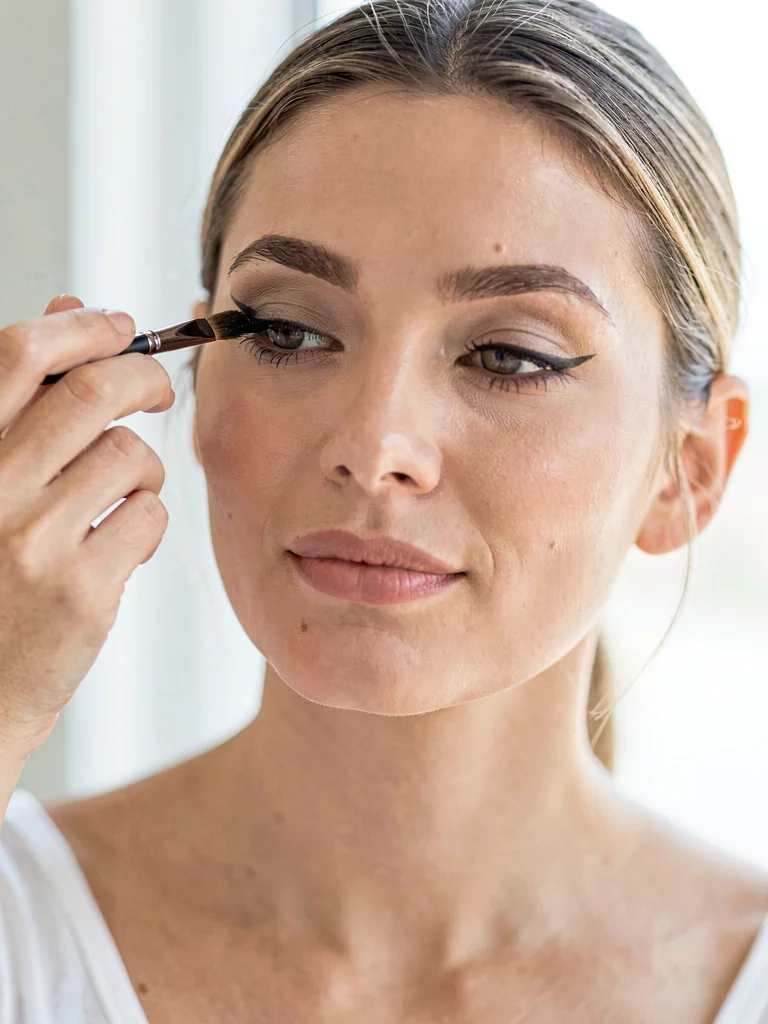
Effective eye makeup application relies on precise techniques and understanding product interactions to achieve desired aesthetic outcomes. Proper preparation of the eyelid ensures a smooth canvas, enhancing color payoff and longevity.
- Prime the eyelids to create an even surface and prevent creasing, which can extend shadow wear by several hours Dermatology Times.
- Layer products strategically, applying lighter shades first to build depth and dimension before introducing darker tones.
- Use a light hand when applying mascara to avoid clumping, wiggling the wand from the base to the tips of the lashes.
For eye makeup for hooded eyes, extending eyeshadow slightly above the natural crease can create the illusion of more lid space. Blending is crucial for seamless eye makeup looks, particularly when transitioning between multiple colors. A comprehensive eye makeup step by step approach often begins with a neutral base, followed by defining the lash line and adding mascara. According to experts at the Cosmetic Executive Women (CEW) organization, mastering blending techniques is paramount for achieving a professional and polished finish in any eye makeup application.
Frequently Asked Questions
Selecting the right eye makeup kit depends on individual needs and desired versatility. A comprehensive kit typically includes a neutral eyeshadow palette, eyeliner (pencil or liquid), mascara, and a set of essential brushes for application and blending. For beginners, a smaller, curated selection focusing on everyday essentials is often more practical than an extensive professional set.
To prevent common issues like smudging or creasing, proper product selection and application techniques are crucial. Using an eyeshadow primer creates a tacky base that grips pigment, significantly extending wear time and preventing color migration Cosmetic Dermatology Journal. Additionally, opting for long-wear or waterproof formulas, especially for eyeliner and mascara, can minimize smudging throughout the day.
The optimal order for applying eye makeup generally begins with eyeshadow, followed by eyeliner, and then mascara. This sequence prevents fallout from eyeshadow from landing on freshly applied liner or mascara, ensuring a cleaner finish. For more intricate eye makeup looks, such as a cut crease, applying a base shadow before defining the crease allows for smoother transitions.
Individuals with sensitive eyes should prioritize hypoallergenic and ophthalmologist-tested products to minimize irritation. These formulations often exclude common irritants like fragrances, parabens, and certain dyes, which can trigger allergic reactions or discomfort American Academy of Ophthalmology. Checking product labels for specific certifications can help guide safer choices.
Here are some common questions about eye makeup:
- What are the essential items for a beginner’s eye makeup kit?
A neutral eyeshadow palette (with matte and shimmer shades) Black or brown eyeliner (pencil is often easiest for beginners) Mascara A basic set of brushes (at least one for packing color and one for blending) * Eyeshadow primer
- How can I make my eye makeup last all day?
Always start with an eyeshadow primer. Layer cream products under powder products. Use long-wear or waterproof formulas for eyeliner and mascara. Set your under-eye area with a light dusting of translucent powder.
- What’s the best way to remove eye makeup without irritation?
Use a gentle, oil-based makeup remover or micellar water specifically designed for eyes. Apply the remover to a cotton pad and hold it over your closed eye for a few seconds to dissolve makeup. Gently wipe downwards and outwards, avoiding harsh rubbing. Follow with your regular facial cleanser.
- Can I wear eye makeup if I wear contact lenses?
Yes, but choose products carefully. According to experts from the American Optometric Association, it’s best to use hypoallergenic, oil-free, and non-flaking formulas. Apply makeup after inserting your lenses and remove lenses before removing makeup. * Avoid applying eyeliner to the inner rim of your eyelid (waterline) as this can transfer product to your lenses.
Conclusion
Mastering eye makeup transforms your overall aesthetic, offering a powerful tool for self-expression. Experiment with different techniques and products to discover what best enhances your unique features. Consistent practice refines your skills, leading to increasingly sophisticated and personalized looks.
The journey of eye makeup artistry is continuous, with endless possibilities for creativity and innovation. To truly excel in eye makeup application, consider these key takeaways:
- Understand Your Eye Shape: Tailoring techniques to your specific eye shape (e.g., hooded, almond, monolid) is crucial for the most flattering results.
- Invest in Quality Tools: Good brushes and an appropriate eye makeup kit can significantly improve application precision and overall finish.
- Prioritize Product Safety: Especially for sensitive skin, choosing hypoallergenic and fragrance-free products is vital to prevent irritation.
- Practice Regularly: Like any skill, consistent practice is key to refining your eye makeup techniques and developing your personal style.
Based on our experience, continuous learning and adaptation to new trends and products are essential for any eye makeup enthusiast. Research shows that proper application techniques, combined with suitable products, not only enhance beauty but also contribute to skin health around the delicate eye area, as highlighted by resources like the American Academy of Ophthalmology on eye health and cosmetics: https://www.aao.org/eye-health/tips-prevention/eye-makeup-contact-lenses.