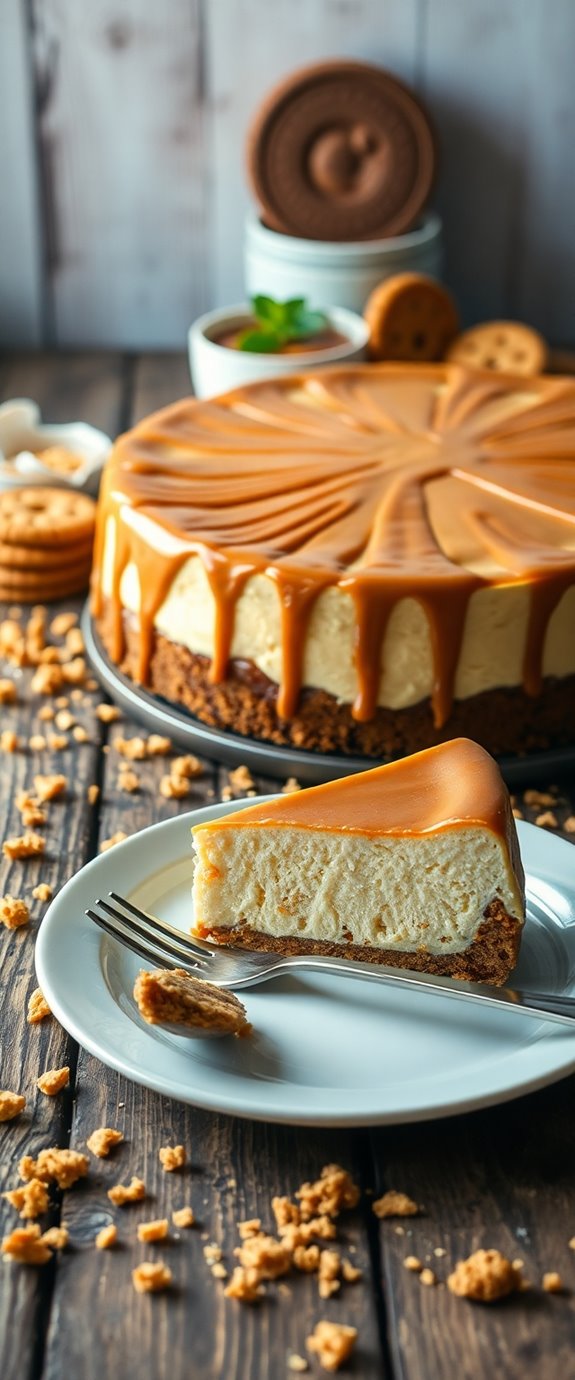
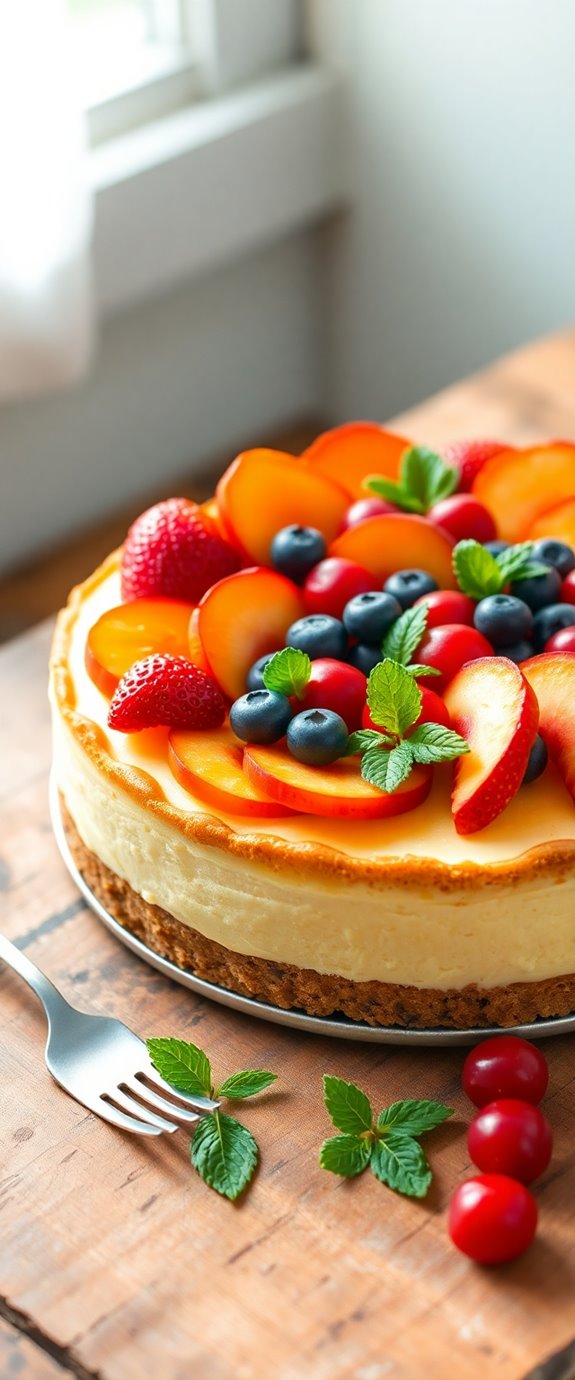
Did you know that cheesecakes rank among the top numerous most popular desserts in the United States? This classic treat, with its creamy filling and buttery crust, has captured the hearts of many. You might wonder what makes the original cheesecake stand out from its variations. Understanding its foundational aspects can elevate your baking skills to new heights. Let's explore the essential steps and tips for crafting the perfect original cheesecake.
Recipe Tips and Tricks
- Classic cheesecake features a graham cracker crust and creamy filling, ideal for celebrations or personal treats.
- Use room temperature ingredients for a smooth, lump-free filling and a rich flavor.
- Bake in a water bath to maintain moisture and prevent cracks on the surface.
- Variations include New York style, berry swirl, and chocolate hazelnut for diverse flavor profiles.
- Serve with toppings like fresh fruit or chocolate sauce to enhance the dessert experience.
How To Make It – Recipe
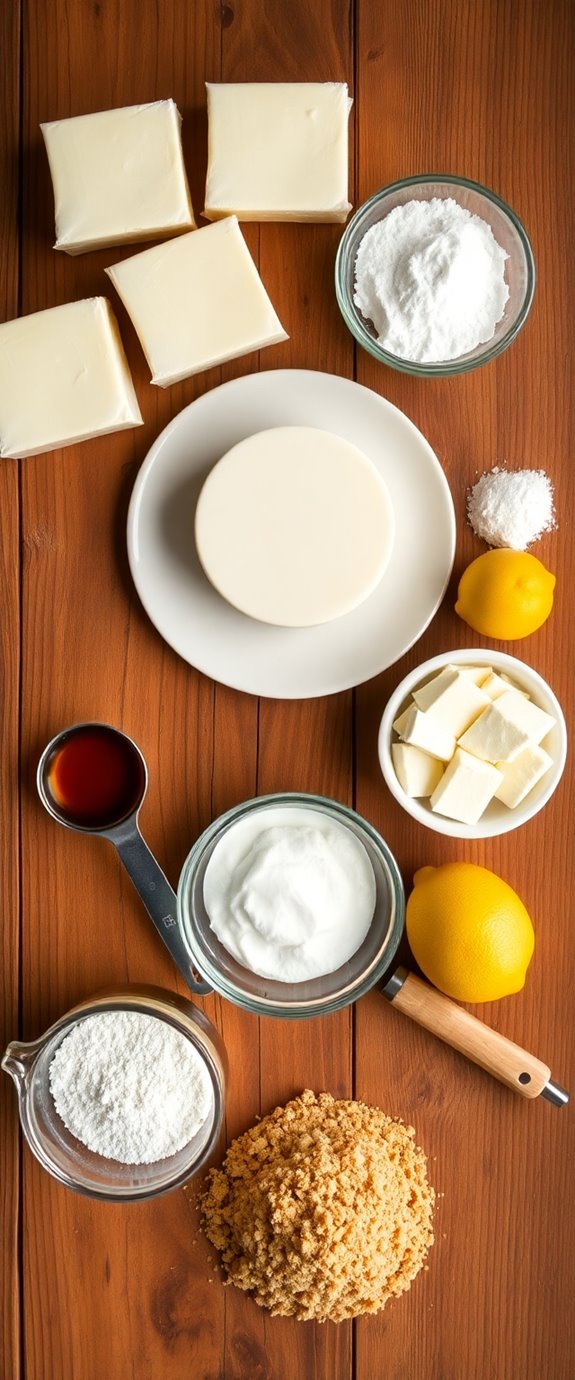
Making a classic cheesecake is a delightful endeavor that results in a rich and creamy dessert perfect for any occasion. This recipe combines a buttery graham cracker crust with a smooth, velvety filling made from cream cheese, sugar, and eggs. Whether you're preparing it for a birthday celebration, holiday gathering, or just a sweet treat for yourself, a homemade cheesecake is sure to impress.
To achieve the perfect texture and flavor, it's crucial to use room temperature ingredients, particularly the cream cheese, as this guarantees a lump-free filling. Additionally, baking the cheesecake in a water bath helps maintain moisture and prevents cracks from forming on the surface. Follow this simple yet effective recipe to create a cheesecake that's both delicious and visually appealing. Authentic NY cheesecake recipes can provide variations to this classic dish that may further enhance your baking experience.
Ingredients:
- 1 ½ cups graham cracker crumbs
- ½ cup unsalted butter, melted
- ¼ cup granulated sugar
- 4 (8 oz) packages cream cheese, softened
- 1 cup granulated sugar
- 1 teaspoon vanilla extract
- 4 large eggs
- 1 cup sour cream
- ¼ cup all-purpose flour
- 1 tablespoon lemon juice (optional)
To make the cheesecake, preheat your oven to 325°F (160°C) and grease a 9-inch springform pan. In a medium bowl, combine the graham cracker crumbs, melted butter, and ¼ cup sugar. Press this mixture into the bottom of the prepared pan to form a crust.
In a large mixing bowl, beat the softened cream cheese until smooth, then gradually add in the sugar and vanilla extract, mixing until well combined. Add the eggs one at a time, mixing on low speed until just incorporated. Finally, stir in the sour cream, flour, and lemon juice until smooth. Pour the filling over the crust and bake in a water bath for 60-70 minutes or until the center is set but still slightly jiggly.
Let it cool and then refrigerate for at least 4 hours or overnight before serving. For best results, always allow your cream cheese and eggs to come to room temperature before mixing, as this helps achieve a smooth batter. If you want to avoid cracks, make sure not to overbeat the mixture after adding the eggs.
Additionally, cooling the cheesecake slowly in the oven (by turning off the heat and leaving the door ajar) can help prevent cracking. Topping your cheesecake with fresh fruit, chocolate, or a fruit compote can elevate its presentation and flavor, making it even more enjoyable.
Substitution Suggestions
If you're looking to tailor your cheesecake recipe to suit dietary needs or personal preferences, there are plenty of substitution options available.
For a rich texture, consider using cream cheese alternatives like ricotta or mascarpone. If you need dairy-free options, cashew cream or silken tofu blended until smooth can work wonders.
You can also replace traditional sugar with maple syrup or coconut sugar for a unique flavor twist.
Experiment with gluten-free graham crackers or nut-based crusts to make it suitable for gluten sensitivities.
Additionally, using Deliciously Creamy Greek Yogurt can enhance the cheesecake's flavor and provide a lighter texture.
With these substitutions, you'll create a cheesecake that everyone can enjoy!
Decorating Ideas
When it comes to decorating your cheesecake, the possibilities are endless and can elevate your dessert from simple to stunning. You might opt for luscious whipped toppings that add a creamy finish, making each slice irresistible. Consider layering fresh fruit garnishes like strawberries, blueberries, or kiwi for a burst of color and flavor. Drizzling a rich chocolate or caramel sauce can also enhance the visual appeal while adding a decadent touch. For a festive look, sprinkle crushed nuts or edible flowers around the base. Additionally, using strawberry cheesecake as a flavor inspiration can lead to delightful variations that your guests will love. These simple ideas can transform your cheesecake into a show-stopping centerpiece that'll impress your guests!
Serving Suggestions
After you've adorned your cheesecake with delightful decorations, it's time to think about serving suggestions that will enhance the overall experience.
Consider offering a variety of cheesecake toppings like fresh berries, chocolate sauce, or caramel drizzle, allowing guests to customize their slices.
When it comes to serving sizes, aim for generous portions that satisfy while leaving room for a second helping.
Pair your cheesecake with a dollop of whipped cream or a scoop of ice cream for added indulgence.
Don't forget to serve it alongside a hot beverage, like coffee or tea, to create a perfectly balanced dessert experience.
For an extra touch of flavor, try incorporating deliciously creamy strawberry cheesecake into your toppings or sides.
Enjoy!
Make-Ahead and Storage
Making your cheesecake ahead of time can be a game changer, especially during busy occasions.
To guarantee it stays fresh, follow some simple make-ahead tips. Bake your cheesecake a day or two in advance, letting it cool completely before chilling.
Once cooled, wrap it tightly in plastic wrap or place it in storage containers. This helps maintain its creamy texture and flavor. Additionally, a well-made baked cheesecake can improve in flavor after a day in the fridge as the ingredients meld together.
If you plan to freeze it, use airtight containers to prevent freezer burn.
How to Store Leftovers
Leftover cheesecake can be a delightful treat, but proper storage is key to keeping it fresh and delicious.
Start by covering your cheesecake with plastic wrap or aluminum foil to protect it from air and odors. If you've cut slices, consider using an airtight container.
For longer-term storage, freezing is a great option—just wrap individual slices tightly and place them in a freezer-safe bag. When you're ready to enjoy, simply thaw in the fridge.
Get creative with leftover uses too; crumble it over ice cream or blend it into smoothies for a decadent twist! Additionally, no bake gluten free cheesecake can be a wonderful alternative if you're looking for a lighter option.
Nutrition Facts(per serving)
When enjoying a slice of cheesecake, it's helpful to know what you're treating your taste buds to regarding nutrition. Each serving typically packs around 300-400 calories, depending on the recipe.
The caloric content mainly comes from cream cheese, sugar, and a buttery crust. That rich, creamy filling is a delightful blend of fats and carbohydrates, while the crust adds a satisfying crunch.
If you're curious about the ingredient breakdown, the combination of dairy provides protein and calcium, making this indulgence a bit more balanced. Additionally, opting for a gluten free crust can make this dessert suitable for those with gluten sensitivities.
Just remember, moderation is key to savoring this delicious treat without overindulging!
Final Thoughts
As you take a moment to reflect on your cheesecake experience, it's clear that this dessert is more than just a sweet treat; it's a celebration of flavors and textures.
Whether you prefer classic New York style or adventurous cheesecake variations like berry swirl or chocolate hazelnut, there's something for everyone.
Don't forget about dessert pairings—serve your cheesecake with fresh fruit or a drizzle of chocolate sauce for an extra touch of indulgence.
Each bite offers a delightful contrast between creamy filling and buttery crust. Additionally, the classic New York cheesecake is renowned for its rich and dense texture, making it a favorite among cheesecake lovers.
Recipe FAQs
Can I Use a Different Type of Cheese for Cheesecake?
Yes, you can definitely use different cheeses for cheesecake! Ricotta alternatives or vegan cream cheese can create unique textures and flavors. Experimenting with these options might just lead you to a delicious new favorite dessert!
What's the Origin of Cheesecake?
Cheesecake's origins trace back to ancient Greece, where it was enjoyed at the first Olympic Games. Romans later adapted it, creating their own variations, blending flavors and textures, ultimately leading to the diverse cheesecakes we savor today.
How Can I Tell if My Cheesecake Is Done?
Think of your cheesecake as a delicate dance. To tell if it's done, gently shake the pan; if the center wobbles slightly but the edges are set, you've nailed it! Texture check is essential!
Is It Necessary to Use a Springform Pan?
Using a springform pan isn't strictly necessary, but its benefits include easy release and even baking. If you prefer alternative pans, just be cautious; they might require more effort to remove your cheesecake without damage.
Can I Freeze Cheesecake for Later Use?
Did you know 70% of people enjoy cheesecake? You can definitely freeze it! Use proper freezing techniques, like wrapping it tightly, and follow storing tips to maintain its creamy texture for future indulgence. Enjoy every bite!