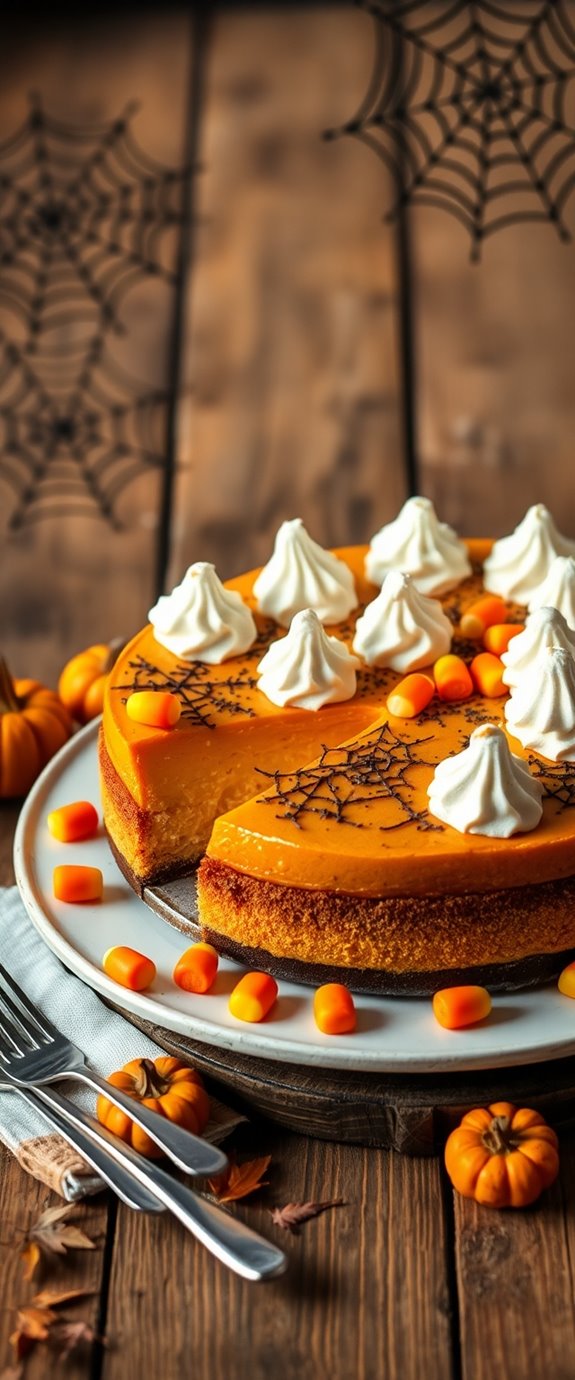
If you're looking to elevate your dessert game, a ricotta cheesecake might just be the answer. This recipe combines the creamy goodness of ricotta with a zesty lemon twist, offering a lighter alternative to traditional cheesecakes. With a buttery graham cracker crust, it's both easy to prepare and perfect for any gathering. Curious about how to make this indulgent yet nutritious treat? Let's explore the details together.
Recipe Tips and Tricks
- Combine 1 ½ cups graham cracker crumbs with ½ cup melted butter; press into a 9-inch springform pan for the crust.
- In a bowl, mix 3 cups ricotta cheese, 1 cup sugar, 3 eggs, 2 tablespoons lemon juice, and zest until smooth.
- Pour the ricotta mixture over the crust and bake at 325°F (160°C) for 50-60 minutes until edges are set.
- Chill the cheesecake in the fridge for optimal texture and flavor, preferably a day or two before serving.
- Serve plain or with fruit toppings; enjoy as a delightful dessert for special occasions or gatherings.
How To Make It – Recipe
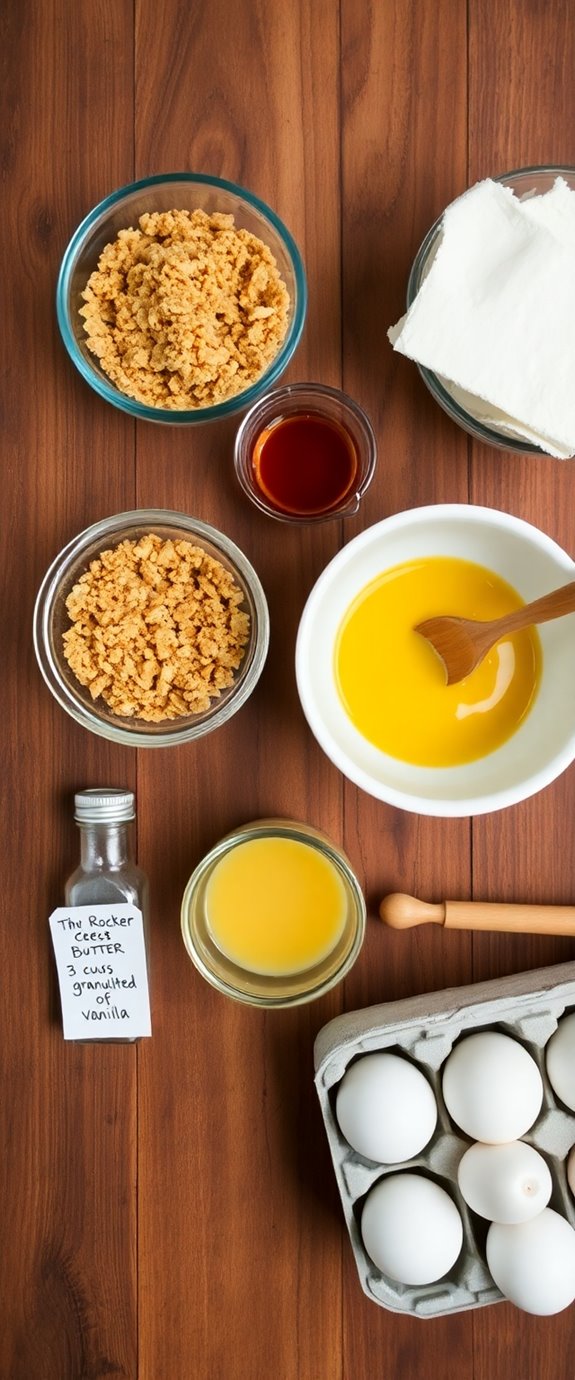
Making a Ricotta cheesecake is a delightful way to impress your friends and family with a creamy and rich dessert that has a unique twist on the classic cheesecake. Unlike traditional cheesecakes that use cream cheese, this recipe utilizes ricotta cheese, which lends a lighter texture and a subtle flavor. With a buttery crust and a sweet, creamy filling, this cheesecake is perfect for any occasion, from holidays to dinner parties or simply for a special treat at home.
This Ricotta cheesecake isn't only easy to prepare but also requires minimal ingredients, making it a great option for both novice and experienced bakers. The key to a perfect cheesecake lies in the blending of the ricotta until smooth and incorporating the right balance of sweet and tangy flavors. This recipe guarantees that your cheesecake will be a crowd-pleaser, with its luscious texture and delightful taste. Additionally, you can make a delicious eggless cheesecake version by substituting the eggs with alternatives like silken tofu or a flaxseed mixture.
Ingredients:
- 1 ½ cups graham cracker crumbs
- ½ cup unsalted butter, melted
- 1 cup granulated sugar
- 1 teaspoon vanilla extract
- 3 cups ricotta cheese
- 3 large eggs
- 2 tablespoons lemon juice
- 1 tablespoon lemon zest
- ½ teaspoon salt
To make the Ricotta cheesecake, preheat your oven to 325°F (160°C). In a medium bowl, mix the graham cracker crumbs with the melted butter until the mixture resembles wet sand. Press the mixture firmly into the bottom of a 9-inch springform pan to create the crust.
In a large mixing bowl, combine the ricotta cheese, sugar, vanilla extract, eggs, lemon juice, lemon zest, and salt. Beat the mixture on medium speed until smooth and creamy. Pour the filling over the prepared crust and smooth the top with a spatula. Bake in the preheated oven for 50-60 minutes or until the edges are set and the center is slightly jiggly.
Allow the cheesecake to cool to room temperature before refrigerating for at least 4 hours or overnight. When making Ricotta cheesecake, it's important to use high-quality ricotta cheese for the best flavor and texture. If your ricotta is too watery, you can strain it through a cheesecloth for a few hours to remove excess moisture.
Additionally, letting the cheesecake cool gradually in the oven with the door ajar can help prevent cracking on the surface. For a delicious twist, consider adding fresh fruits on top or a drizzle of chocolate sauce before serving!
Substitution Suggestions
If you're looking to put your own spin on the Ricotta cheesecake recipe, there are plenty of substitution options to contemplate.
For a lighter option, consider using Greek yogurt as a dairy alternative; it adds creaminess while cutting calories. If you're dairy-free, try silken tofu blended until smooth for a rich texture.
For flavor variations, swap out vanilla extract for almond or lemon zest to elevate the taste. You could even experiment with different sweeteners, like maple syrup or coconut sugar, to create a unique profile.
Additionally, using Greek yogurt can enhance the creaminess of your cheesecake, making it even more delightful.
Don't hesitate to customize your cheesecake to match your preferences!
Decorating Ideas
While your Ricotta cheesecake is cooling, it's the perfect opportunity to think about how you'll decorate it.
A light, airy layer of whipped cream can beautifully crown your cheesecake, adding a touch of elegance. For a burst of color and flavor, scatter fresh berries—strawberries, blueberries, or raspberries—on top. You can even create a berry compote to drizzle over the whipped cream for extra sweetness. If you want to get creative, consider adding edible flowers or a sprinkle of grated lemon zest for a revitalizing twist. Additionally, incorporating Deliciously Creamy Apple Cheesecake into your dessert repertoire can provide inspiration and a delightful contrast to the ricotta base.
These simple touches will transform your cheesecake into a show-stopping dessert!
Serving Suggestions
Once you've adorned your Ricotta cheesecake with delightful toppings, it's time to think about how to serve it.
Consider using fresh berries, like strawberries or blueberries, as garnish options that add a pop of color and freshness. Drizzling honey or caramel sauce can enhance the creaminess, while a sprinkle of crushed nuts adds a satisfying crunch.
For flavor pairings, serve it alongside a dollop of tangy whipped cream or a scoop of lemon sorbet for a revitalizing contrast. A slice of this cheesecake can also be complemented by Irresistible Blueberry Cheesecake Delight, which showcases the perfect balance of flavors.
You can even pair it with a rich espresso or a fruity dessert wine to elevate the entire experience.
Enjoy every bite!
Make-Ahead and Storage
Making your Ricotta cheesecake ahead of time can save you stress on the day of your gathering.
To guarantee your cheesecake stays fresh and delicious, use these make-ahead tips: Prepare your cheesecake a day or two in advance, allowing it to chill completely in the fridge. Once it's set, transfer it to airtight storage containers to prevent any moisture loss. If you want to freeze it, wrap it tightly in plastic wrap and then place it in a suitable container. Additionally, a well-chilled cheesecake enhances its texture and flavor, making it even more enjoyable when served.
How to Store Leftovers
To keep your leftover Ricotta cheesecake tasting as fresh as the day you made it, proper storage is key.
Start by covering the cheesecake tightly with plastic wrap or aluminum foil to prevent air exposure.
For longer storage, consider freezing methods: slice the cheesecake into individual portions and wrap each piece securely.
Place them in an airtight container or freezer bag, removing as much air as possible.
When you're ready to enjoy, simply thaw in the fridge overnight. Additionally, No Bake Gluten Free Cheesecake is another delightful option that you can explore for a different texture and flavor.
With these storing tips, you'll savor that creamy, delightful flavor anytime you crave a slice!
Nutrition Facts(per serving)
Indulging in a slice of ricotta cheesecake not only satisfies your sweet tooth but also offers a delightful balance of flavors and nutrients. Each serving typically contains around 250-300 calories, making it a relatively moderate dessert choice.
The ricotta cheese serves as a fantastic protein source, packing in about 10-15 grams per slice, which helps keep you feeling fuller longer. Plus, you'll benefit from calcium and essential vitamins. Additionally, this cheesecake can be made gluten-free by using a suitable crust, allowing those with dietary restrictions to enjoy this delicious gluten-free dessert.
With its creamy texture and rich taste, this cheesecake becomes a guilt-free indulgence that allows you to enjoy dessert while still being mindful of your nutritional intake. Enjoy every bite!
Final Thoughts
As you savor the last bite of your ricotta cheesecake, it's clear that this dessert is more than just a sweet treat—it's a celebration of flavor and texture.
With its creamy filling and crumbly crust, each forkful delights your senses.
Remember to keep a few baking tips in mind for next time: guarantee your ricotta is well-drained and experiment with flavor variations, like adding citrus zest or chocolate swirls. Incorporating cottage cheese into your cheesecake can also yield a deliciously unique twist.
Whether you're serving it at a gathering or enjoying it solo, this cheesecake will impress every time.
You've created something truly special—so relish in your culinary achievement!
Recipe FAQs
Can I Use Low-Fat Ricotta Cheese in This Recipe?
Yes, you can use low-fat ricotta cheese! Just keep in mind that it may alter the texture, making it less creamy. Experimenting with low-fat alternatives can still yield delicious results, so don't hesitate to try!
What Is the Best Way to Prevent Cracking on the Cheesecake?
To prevent cracking on your cheesecake, bake it at a lower oven temperature and use a water bath. This technique guarantees even heat distribution, creating a smooth, creamy texture while minimizing the risk of cracks.
How Long Does It Take to Bake the Cheesecake?
You'd believe baking duration is straightforward, but it's an art! At 325°F, your cheesecake requires about 50-60 minutes. Keep a watch on it; the ideal texture is worth the suspense and eagerness you'll feel!
Can I Freeze Ricotta Cheesecake for Later Use?
Yes, you can freeze ricotta cheesecake for later use! Using proper freezing techniques helps maintain its texture preservation. Wrap it tightly in plastic wrap and foil, then store it in an airtight container for best results.
What Flavor Variations Can I Try With Ricotta Cheesecake?
You can elevate your ricotta cheesecake with delightful flavor variations! Try fruit toppings like berries or peaches, or experiment with spice infusions such as cinnamon or cardamom. Each twist adds a unique touch to your dessert!