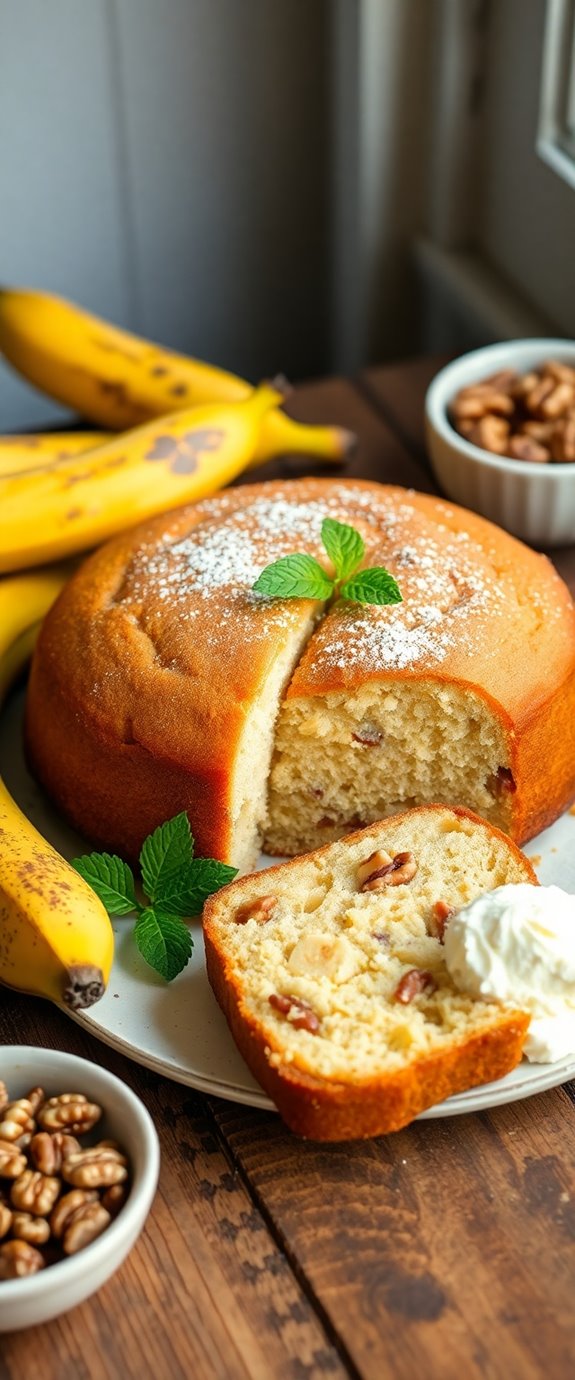
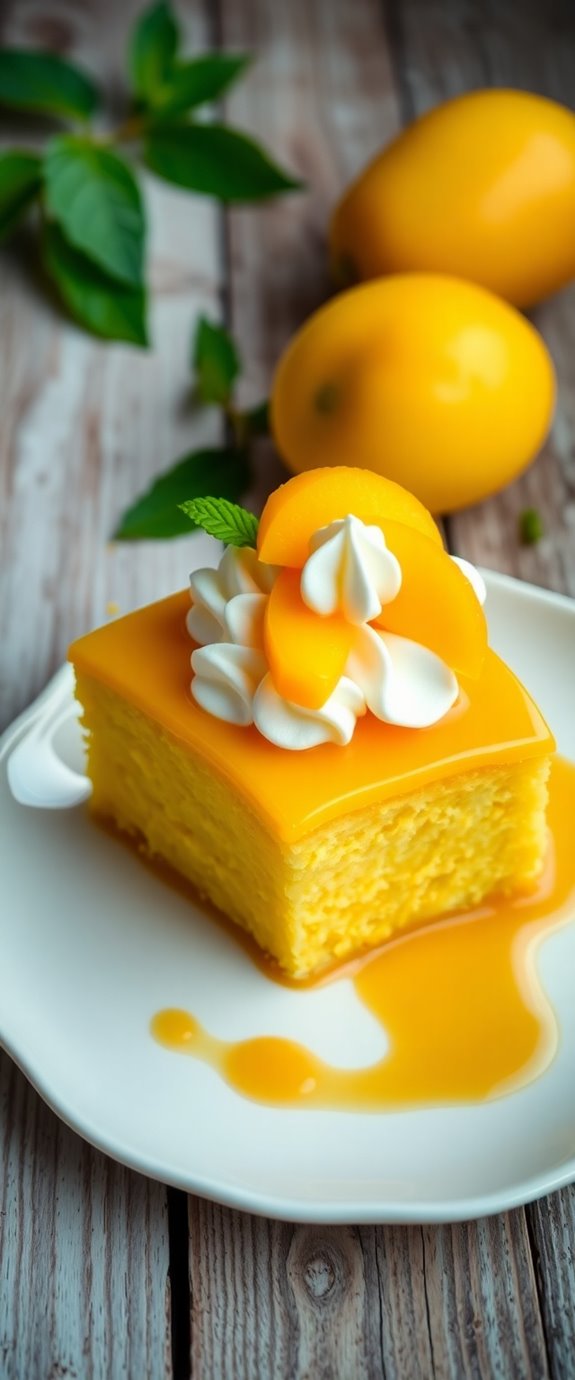
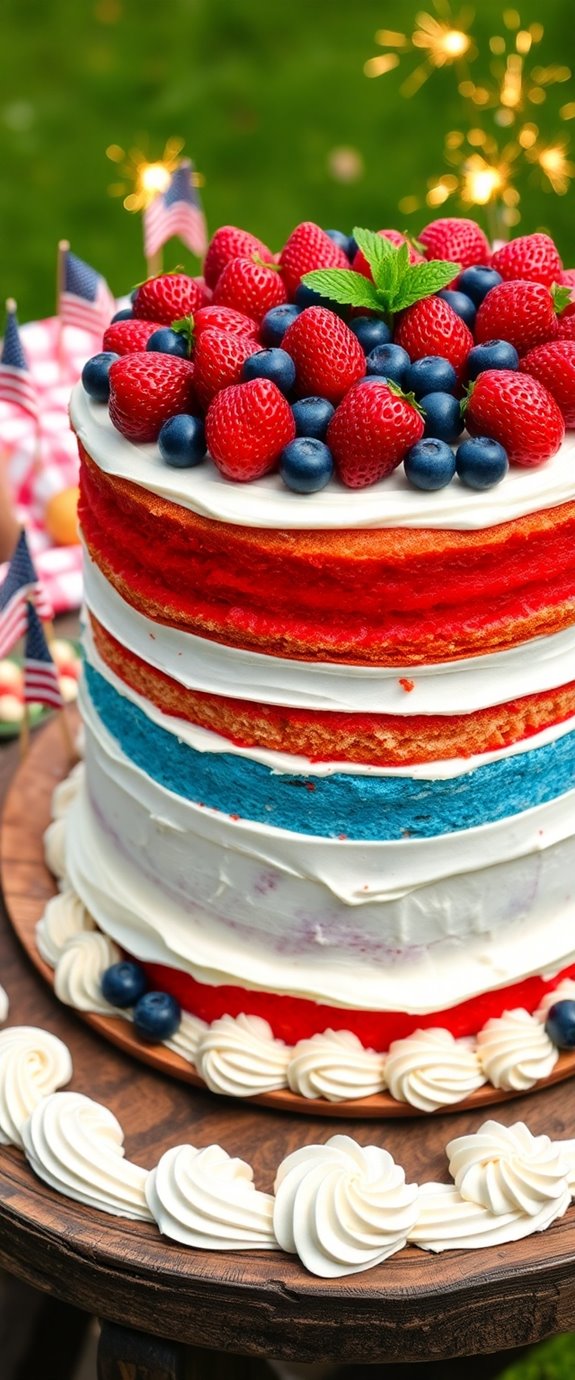
Baking a sponge cake is like crafting a delicate masterpiece; each ingredient plays a vital role in creating that perfect rise. With just eggs, sugar, flour, and butter, you can achieve a light, airy texture that melts in your mouth. But what if you want to elevate this classic dessert even further? Let's explore the nuances of sponge cake, from essential techniques to exciting variations that can transform your baking experience.
Recipe Tips and Tricks
- Gather the basic ingredients: eggs, sugar, flour, baking powder, salt, butter, and vanilla extract for a classic sponge cake.
- Preheat your oven to 350°F (175°C) and prepare a 9-inch round cake pan by greasing it.
- Beat eggs and sugar together until pale and fluffy, then gently fold in the sifted dry ingredients.
- Incorporate melted butter and vanilla carefully to maintain the batter's airiness before baking for 25-30 minutes.
- Serve with toppings like fresh berries or chocolate sauce for added flavor and visual appeal.
How To Make It – Recipe

Sponge cake is a light and airy dessert that has been beloved by bakers for generations. Its simple ingredients and straightforward method make it an ideal choice for both novice and experienced bakers. The key to a successful sponge cake lies in the careful incorporation of air into the batter, which gives the cake its characteristic texture. This recipe will guide you through the steps to create a perfect sponge cake that can be enjoyed on its own or dressed up with frosting, fruit, or whipped cream.
To achieve the best results, it's crucial to use room temperature ingredients, particularly eggs and butter. This guarantees that they blend together smoothly and helps to create a light and fluffy batter. Additionally, be sure to sift your flour and baking powder to remove any lumps and to aerate the mixture. Follow this recipe closely, and you'll have a delicious sponge cake that's perfect for any occasion.
Ingredients:
- 4 large eggs
- 1 cup granulated sugar
- 1 cup all-purpose flour
- 1 teaspoon baking powder
- 1/4 teaspoon salt
- 1/4 cup unsalted butter, melted
- 1 teaspoon vanilla extract
- Powdered sugar for dusting (optional)
To make the sponge cake, preheat your oven to 350°F (175°C) and grease a 9-inch round cake pan. In a large mixing bowl, beat the eggs and granulated sugar together until the mixture is pale and fluffy, about 4-6 minutes.
Gently fold in the sifted flour, baking powder, and salt until just combined. Drizzle in the melted butter and vanilla extract, folding carefully to maintain the airiness of the batter. Pour the batter into the prepared cake pan and bake for 25-30 minutes, or until a toothpick inserted into the center comes out clean.
Allow the cake to cool in the pan for a few minutes before transferring it to a wire rack to cool completely.
When making sponge cake, it's vital to avoid overmixing the batter once the flour is added, as this can deflate the air you've incorporated. To enhance the flavor, consider experimenting with different extracts, such as almond or lemon.
For added moisture, you can brush the cooled cake with a simple syrup made from equal parts sugar and water. Finally, feel free to get creative with toppings and fillings, such as fresh fruit, whipped cream, or chocolate ganache to elevate your sponge cake to the next level.
Substitution Suggestions
When you're ready to make your sponge cake, it's helpful to know that you can substitute some ingredients based on your preferences or what you have on hand.
For egg replacements, you might try using applesauce, mashed bananas, or flaxseed meal mixed with water—these options work well to maintain moisture and structure.
If you're looking for flour alternatives, almond flour or oat flour can provide a delightful twist, though they may alter the texture slightly. Additionally, incorporating gluten-free options can ensure that your cake remains delicious for those with dietary restrictions.
Decorating Ideas
Transform your sponge cake into a visual masterpiece with a few simple decorating ideas.
Start by choosing your frosting options, like whipped cream or buttercream, to create a smooth base.
Add fresh fruit toppings, such as berries or citrus slices, for a burst of color.
Drizzle chocolate ganache for a rich finish or adorn with edible flowers for elegance.
Consider themed decorations for special occasions, using seasonal accents like autumn leaves or holiday sprinkles.
Play with color combinations to match your event, and display your creation on a beautiful cake stand to elevate your masterpiece and impress your guests. Additionally, using a delicious birthday cake recipe can inspire unique flavor combinations that enhance your decorating theme.
Serving Suggestions
A perfectly baked sponge cake deserves to be served with flair and thoughtfulness.
Consider pairing it with fresh berries for a burst of color and natural sweetness. You can enhance its flavor with a drizzle of citrus glaze or a dollop of whipped cream infused with vanilla.
For a delightful contrast, serve it alongside a rich chocolate sauce or tangy lemon curd.
Don't forget about textural elements—crushed nuts or a sprinkle of toasted coconut can elevate your presentation.
For an extra moist texture, you might want to try incorporating Almond Cake into your dessert pairings.
With these dessert pairings and flavor enhancements, your sponge cake won't just be a treat, but a memorable experience for all.
Make-Ahead and Storage
Although sponge cake is best enjoyed fresh, you can easily make it ahead of time without sacrificing flavor or texture.
For quick make-ahead tips, bake your sponge a day or two in advance. Once cooled, wrap it tightly in plastic wrap.
If you want to store it longer, consider freezing sponge. Slice the cake before freezing for easy access later. Just guarantee each slice is wrapped individually to prevent freezer burn. Delicious homemade cake can also benefit from this method, as it retains moisture well.
When you're ready to serve, let it thaw in the fridge, and it'll taste like you just baked it. Enjoy the convenience of planning ahead while delighting your guests!
How to Store Leftovers
To keep your leftover sponge cake fresh and delicious, start by storing it in an airtight container as soon as it's cooled.
The best containers for this purpose are those made of glass or high-quality plastic, which create a tight seal. Before sealing, consider placing a piece of parchment paper between the cake and the lid to absorb excess moisture.
For ideal freshness, refrigerate your cake, but avoid prolonged exposure to cold temperatures, as it can dry out. Additionally, you can also use a cake cover to provide extra protection from air exposure.
Nutrition Facts(per serving)
One slice of sponge cake typically contains around 150 calories, making it a delightful treat without the guilt. This moderate caloric content allows you to indulge while keeping your diet in check.
The primary ingredients—eggs, flour, and sugar—each bring their own benefits. Eggs provide protein and essential vitamins, while flour offers carbohydrates for energy. Sugar, though often viewed skeptically, can elevate your mood and enhance flavors. Additionally, incorporating decadent chocolate into your sponge cake can add a rich flavor while still keeping it light.
Enjoying a slice means savoring a light, airy dessert that's not just delicious but also packed with nutritional perks, ensuring you can enjoy your sweet moments responsibly.
Final Thoughts
As you savor each bite of sponge cake, remember that this delightful dessert is more than just a sweet indulgence; it's a celebration of simple ingredients and cherished moments.
With a few baking tips, like ensuring your eggs are at room temperature and folding gently, you can elevate your sponge cake to new heights.
Don't hesitate to explore flavor variations, from zesty lemon to rich chocolate, transforming each cake into a unique masterpiece. The addition of a deliciously simple chocolate cake can also enhance your dessert repertoire and impress your guests.
Whether you're sharing it with loved ones or enjoying a quiet moment, your sponge cake will certainly create lasting memories, reminding you of the joy found in baking.
Recipe FAQs
Can I Use Gluten-Free Flour for Sponge Cake?
Absolutely, you can use gluten-free flour for your sponge cake! Just remember, texture differences might occur. Experiment with gluten-free substitutions like almond or coconut flour for a unique twist and delightful flavor in your cake.
What Tools Do I Need to Make Sponge Cake?
To make sponge cake, you'll need mixing bowls for your mixing techniques, a whisk or electric mixer for aeration, and baking pans for shaping. Don't forget parchment paper to guarantee easy removal once baked!
How Do I Know When the Sponge Cake Is Done Baking?
To know when your cake's done baking, check the baking times suggested in your recipe. You can also test the texture: gently press the center; it should spring back and feel firm yet soft.
Can I Add Flavorings to the Sponge Cake Batter?
Think of flavor extracts and zest options as your magic wands, transforming ordinary batter into a delightful masterpiece. Just add them sparingly; you'll elevate the taste without overpowering the cake's delicate texture.
Why Did My Sponge Cake Turn Out Dense?
Your cake turned out dense likely due to incorrect ingredient ratios or overmixing. Ensuring the right balance between flour and liquid, along with gentle mixing, can improve your cake texture considerably on your next attempt.