Last reviewed: May 2026
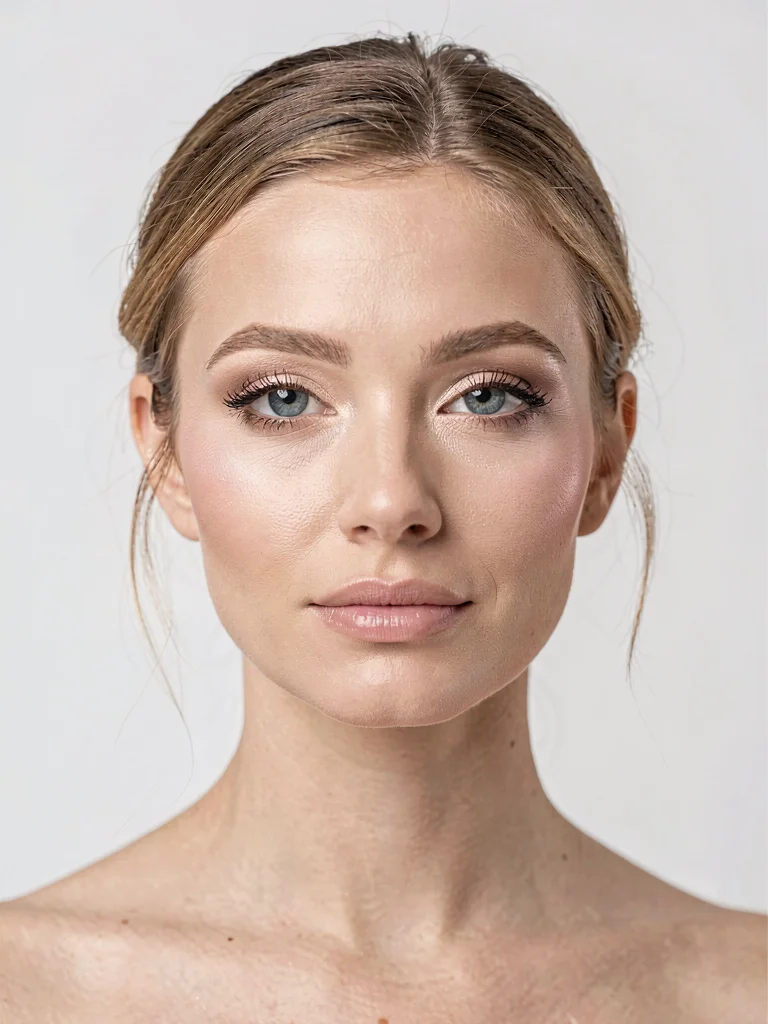
Natural makeup enhances individual features rather than concealing them, promoting a fresh, authentic appearance. This approach prioritizes healthy skin and subtle enhancements, allowing natural beauty to shine through. It often involves using products with fewer harsh chemicals and a focus on nourishing ingredients.
The philosophy behind a natural makeup look centers on simplicity and radiance. It aims to create an effect so seamless that it appears as if no makeup is worn at all, only a more refined version of one’s natural self. This style has gained significant traction as consumers increasingly seek authenticity and wellness in their beauty routines.
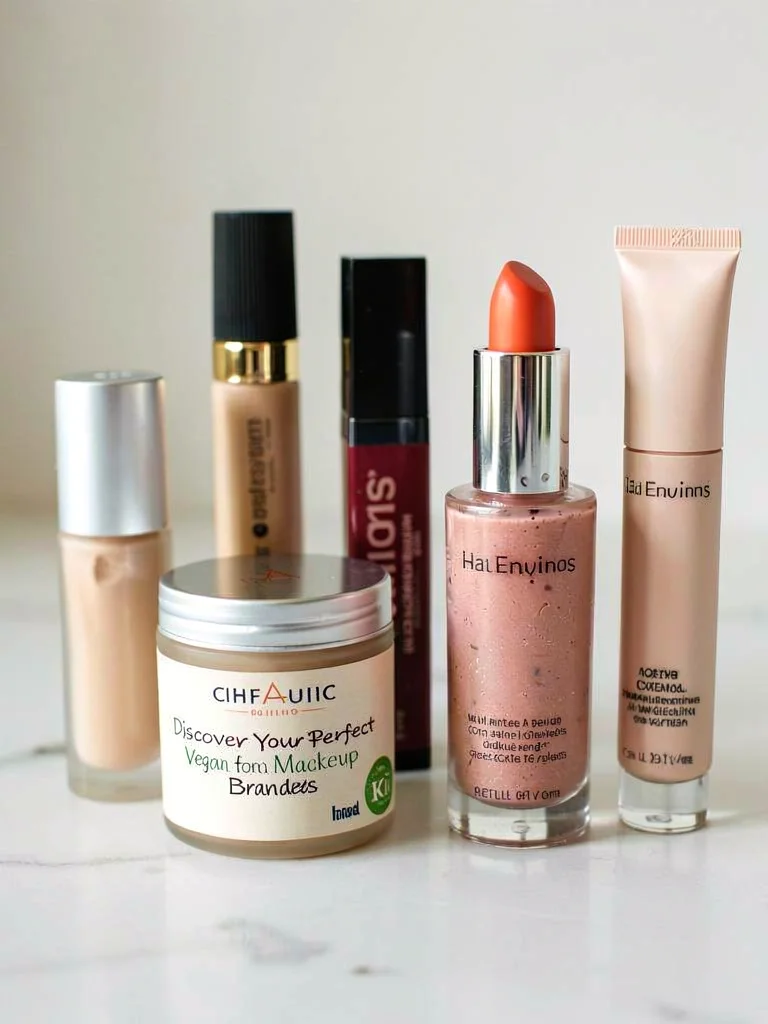
Many natural makeup brands formulate their products with organic, plant-based, and mineral ingredients, avoiding parabens, phthalates, and synthetic fragrances. These formulations often contribute to improved skin health over time, reducing irritation and supporting the skin’s natural barrier function. The market for these products has expanded considerably, reflecting a broader shift towards conscious consumption in cosmetics.
This article will explore the principles of natural makeup, guide you through selecting appropriate products, and provide techniques to achieve a polished yet understated aesthetic. You will learn how to build a versatile natural makeup routine that celebrates your unique features.
What is Natural Makeup? Understanding the Basics
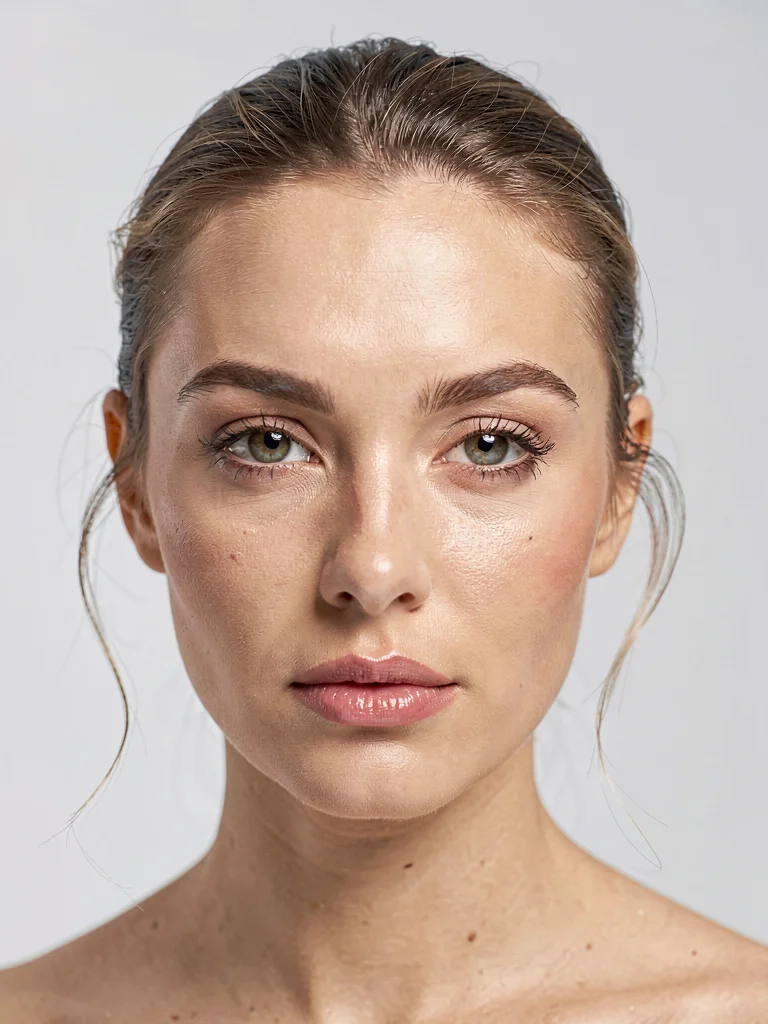
Natural makeup emphasizes a minimalist approach to cosmetics, focusing on enhancing inherent features rather than masking them. This style prioritizes a healthy, glowing complexion and subtle definition over heavy coverage or dramatic effects. The goal is to achieve a polished appearance that looks effortless and authentic.
This cosmetic philosophy often involves selecting products that blend seamlessly with the skin, creating an illusion of natural perfection. It typically utilizes lighter formulations, such as tinted moisturizers or sheer foundations, to even out skin tone without obscuring natural texture. The emphasis remains on skin health and luminosity.
Many natural makeup products are formulated with ingredients like botanical extracts, minerals, and nourishing oils. These components can offer additional skincare benefits, such as hydration or antioxidant protection, contributing to overall skin wellness. Consumers often seek brands committed to transparency regarding their ingredient lists.
Key characteristics of this aesthetic include:
- Subtle Color Palettes: Earth tones, soft pinks, and muted browns are frequently used for eyes, cheeks, and lips.
- Lightweight Formulas: Products designed to feel imperceptible on the skin, allowing it to breathe.
- Focus on Skin Radiance: Techniques and products aimed at achieving a dewy, healthy glow.
- Defined, Not Dramatic, Features: Enhancing brows, lashes, and lips with understated precision.
This approach contrasts with full-glam makeup by celebrating individual beauty marks and natural contours. It promotes a sense of confidence derived from an authentic self-presentation. The rise of this trend reflects a broader cultural shift towards wellness and mindful consumption in beauty Vogue Business.
Pure, Organic and Vegan Makeup: What’s the Difference?
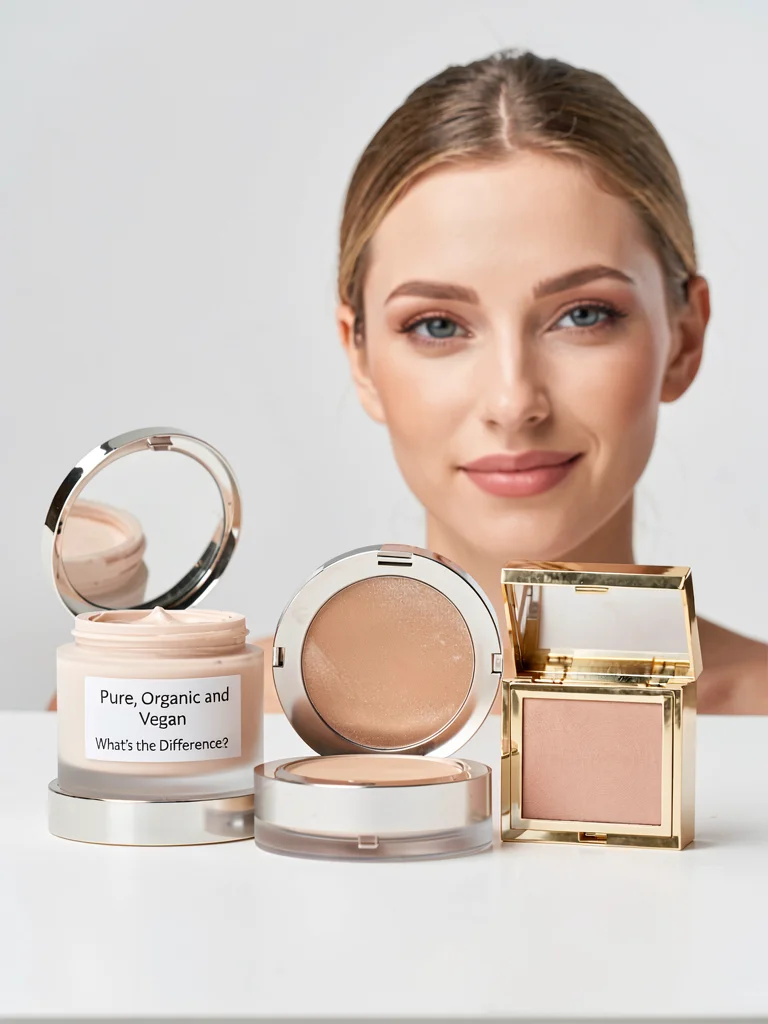
Understanding the distinctions between “pure,” “organic,” and “vegan” is crucial for consumers navigating the natural makeup market. While often used interchangeably, these terms refer to specific product characteristics and ingredient sourcing. Each designation offers unique benefits and adheres to different regulatory standards.
“Pure” typically implies a product is free from certain synthetic additives, such as parabens, phthalates, and artificial fragrances, focusing on a minimalist ingredient list. This term is largely unregulated in cosmetics, meaning brands define “pure” based on their internal standards. Consumers should examine ingredient labels to understand what specific substances are excluded.
“Organic” refers to ingredients cultivated without synthetic pesticides, fertilizers, or genetically modified organisms (GMOs). gov/grades-standards/organic-standards)** program in the United States. This certification ensures environmental sustainability and ingredient integrity.
Products labeled “organic” often contain a high concentration of plant-derived components.
“Vegan” products contain no animal-derived ingredients or by-products, including beeswax, carmine, lanolin, or collagen. This designation focuses on ethical sourcing and animal welfare, appealing to consumers who avoid animal exploitation. A product can be vegan without being organic or pure, and vice-versa, as these terms address different aspects of product formulation.
Key differences include:
- Ingredient Sourcing: Organic focuses on agricultural practices, while vegan focuses on animal-free components.
- Regulatory Oversight: Organic claims are often subject to strict governmental or third-party certification, unlike “pure” or “natural” which have less formal regulation in cosmetics Environmental Working Group).
- Ethical Considerations: Vegan products specifically address animal welfare, a concern not directly covered by organic or pure labels.
Many natural makeup brands strive to incorporate all three attributes, offering products that are simultaneously pure, organic, and vegan.
Which Foundation is Best for Eczema-Prone Skin?
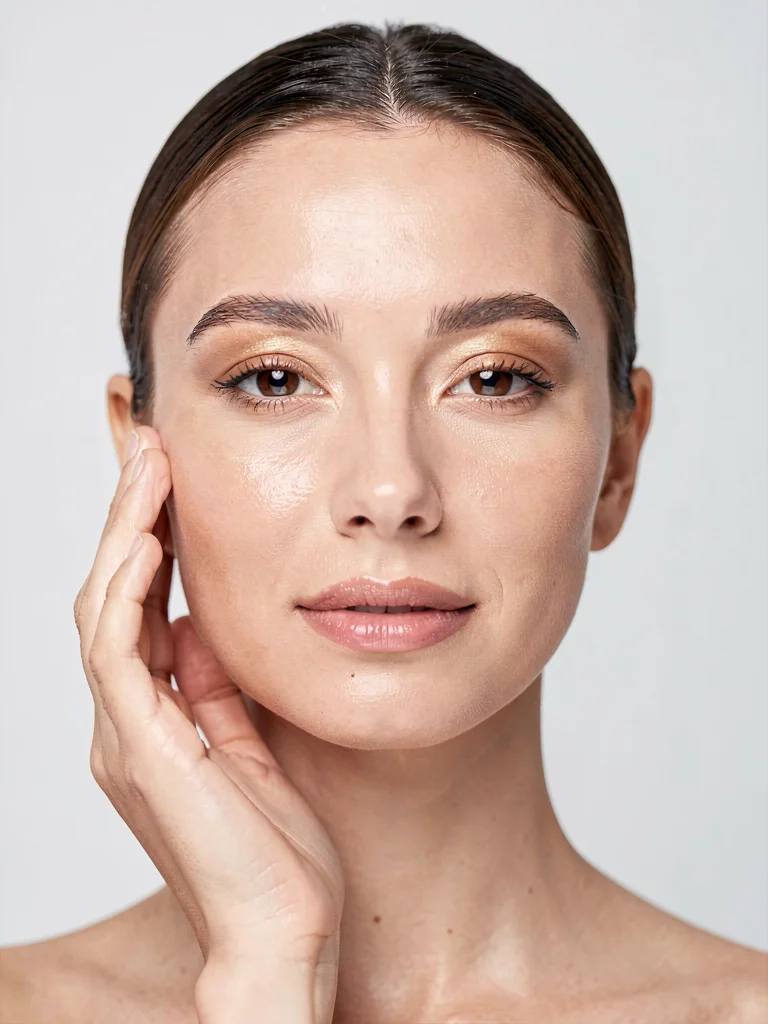
For individuals with eczema-prone skin, selecting the right foundation is crucial to avoid irritation and maintain skin health. The best foundations for this skin type prioritize gentle, non-comedogenic ingredients that provide coverage without exacerbating dryness or inflammation. These formulations often exclude common irritants such as fragrances, dyes, and certain preservatives.
Mineral foundations are frequently recommended for eczema-prone skin due to their simple ingredient lists, typically containing zinc oxide and titanium dioxide. These minerals offer natural sun protection and possess anti-inflammatory properties, which can be beneficial for sensitive skin types American Academy of Dermatology Association. Liquid foundations designed for sensitive skin often incorporate hydrating components like hyaluronic acid or glycerin to prevent moisture loss.
When choosing a natural makeup foundation, look for specific certifications or claims that indicate suitability for sensitive skin. Products labeled “dermatologist-tested” or “hypoallergenic” have undergone testing to minimize allergic reactions, though these terms are not regulated. Patch testing a new product on a small area of skin, such as behind the ear or on the inner arm, for 24-48 hours can help identify potential sensitivities before full facial application.
Key considerations for eczema-prone skin include:
- Fragrance-free formulas: Artificial and natural fragrances can trigger allergic reactions and irritation.
- Non-comedogenic properties: Ensures the product will not clog pores, which can worsen skin conditions.
- Minimal ingredient lists: Reduces the likelihood of encountering an irritant.
- Hydrating components: Ingredients that help retain moisture and support the skin barrier.
Approximately 10-20% of the global population experiences eczema, highlighting the widespread need for specialized skincare and makeup options National Eczema Association. Prioritizing foundations that cater to these specific needs can significantly improve comfort and appearance.
Can Natural Makeup Hide Rosacea Effectively?
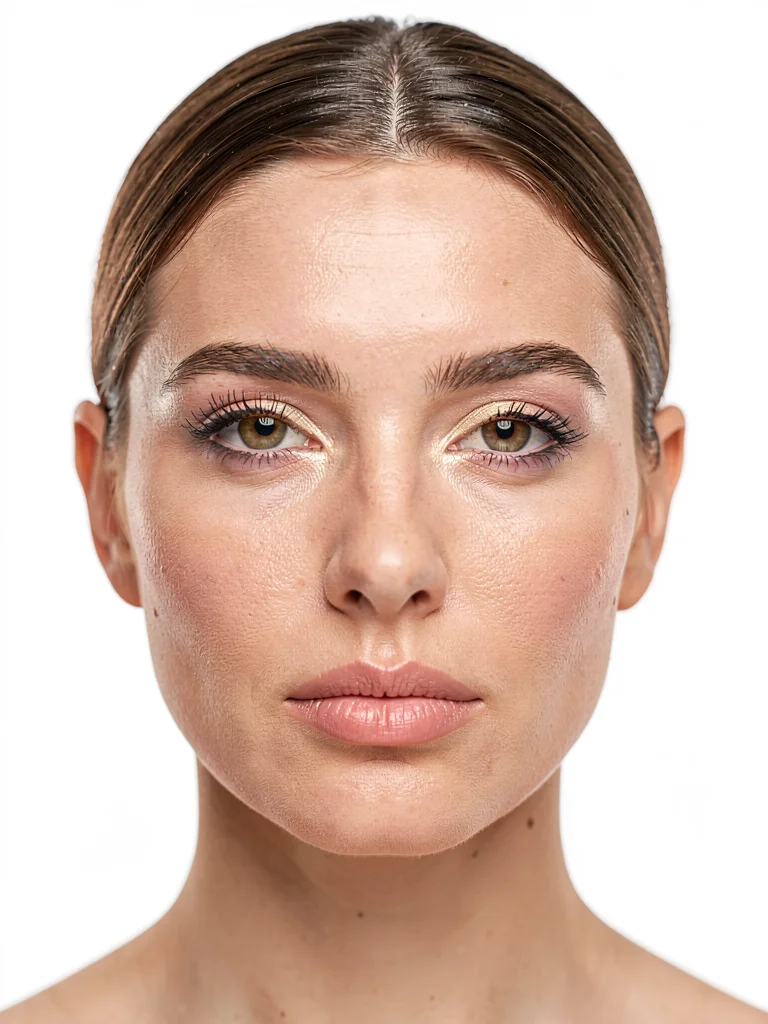
Natural makeup can effectively conceal rosacea while minimizing irritation, provided specific product characteristics are prioritized. The key is to select formulations that offer buildable coverage without exacerbating skin sensitivity or redness. Many natural makeup brands formulate products with anti-inflammatory ingredients that can soothe the skin.
Mineral foundations, in particular, are often recommended for rosacea-prone skin due to their gentle nature and ability to provide opaque coverage. Ingredients like zinc oxide and titanium dioxide not only offer sun protection but also possess calming properties that can benefit reactive skin types Journal of Clinical and Aesthetic Dermatology. These foundations typically avoid common irritants such as synthetic fragrances, dyes, and parabens, which can trigger rosacea flare-ups.
When selecting natural makeup products for rosacea, consider the following:
- Green-tinted primers: These can neutralize redness before foundation application, creating a more even base.
- Cream or liquid foundations: These often provide better hydration and blend more seamlessly than some powder formulas, preventing a cakey appearance that can highlight texture.
- Hypoallergenic and non-comedogenic labels: While not strictly regulated, these terms indicate products formulated to reduce the risk of allergic reactions and clogged pores.
- Broad-spectrum SPF: Sun exposure is a common rosacea trigger, making built-in sun protection essential for daily wear.
Approximately 16 million Americans live with rosacea, underscoring the demand for suitable cosmetic options that address both coverage and skin health concerns American Academy of Dermatology. Choosing natural makeup products designed for sensitive skin can help manage symptoms while achieving a desired aesthetic.
Top Natural Makeup Brands and Products to Consider
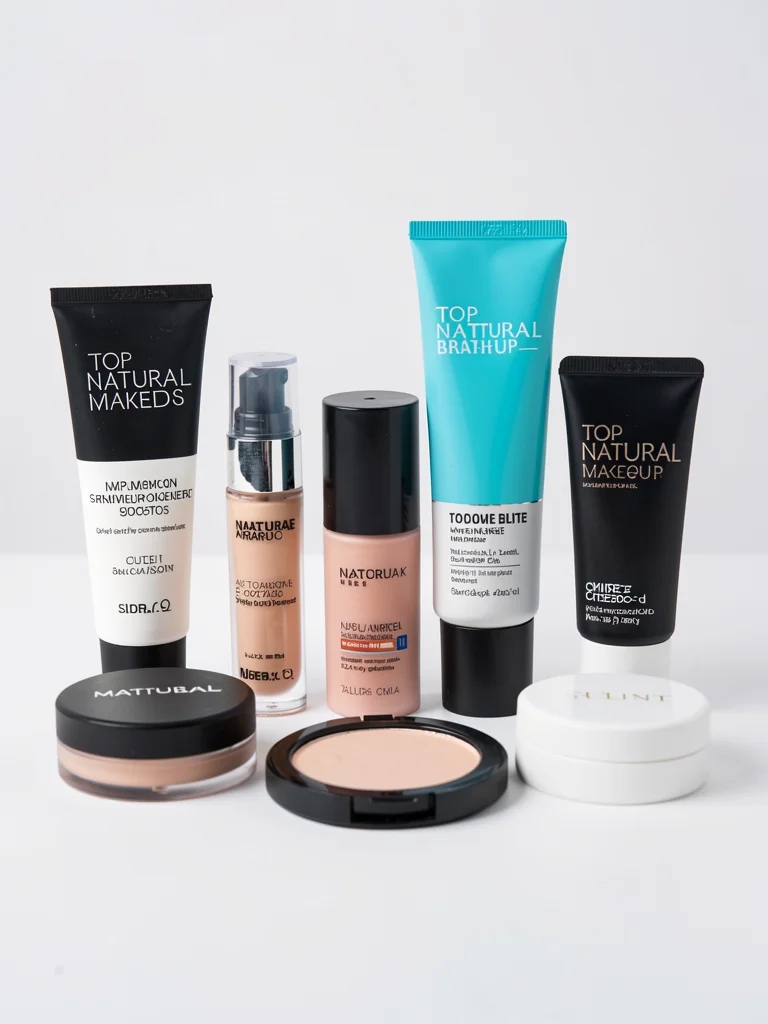
Selecting natural makeup involves identifying brands committed to transparent ingredient sourcing and effective, gentle formulations. Many brands prioritize plant-based ingredients, minerals, and sustainable practices to create products that enhance natural beauty without harsh chemicals. These companies often provide detailed information about their ingredient origins and manufacturing processes, fostering consumer trust.
One prominent brand, ILIA Beauty, is recognized for its “skin-centric” approach, blending makeup with skincare benefits. Their Super Serum Skin Tint SPF 40 Foundation is a popular choice, offering light-to-medium coverage with mineral sun protection and active skincare ingredients like hyaluronic acid and niacinamide. This product exemplifies the trend of hybrid formulations that nourish the skin while providing cosmetic enhancement.
Another highly regarded brand is RMS Beauty, founded by makeup artist Rose-Marie Swift, which focuses on raw, food-grade, and organic ingredients. Their “Un” Cover-up Concealer is celebrated for its ability to conceal imperfections while hydrating the skin, creating a natural, dewy finish. RMS Beauty emphasizes minimal processing to retain the beneficial properties of its ingredients.
Kjaer Weis stands out for its certified organic and sustainable refill system, combining luxury with environmental responsibility. Their Cream Blush offers buildable color and a natural flush, formulated with nourishing ingredients like jojoba seed oil and rosehip seed oil. The brand’s commitment to eco-friendly packaging significantly reduces waste.
When considering natural makeup products, look for:
- Certifications: Labels such as USDA Organic or Ecocert indicate adherence to strict ingredient and production standards.
- Ingredient transparency: Brands that openly list all components and their functions allow consumers to make informed decisions.
- Performance reviews: User testimonials and expert reviews can provide insights into product efficacy and wearability.
- Ethical sourcing: Companies that prioritize fair trade and cruelty-free practices align with broader natural beauty values.
The global market for natural and organic cosmetics is projected to reach $22 billion by 2024, reflecting a growing consumer demand for cleaner beauty options Statista. This growth underscores the increasing availability and innovation within the natural makeup sector.
Creating a Natural Makeup Look: A Step-by-Step Guide
[youtube: Creating a Natural Makeup Look: A Step-by-Step Guide]
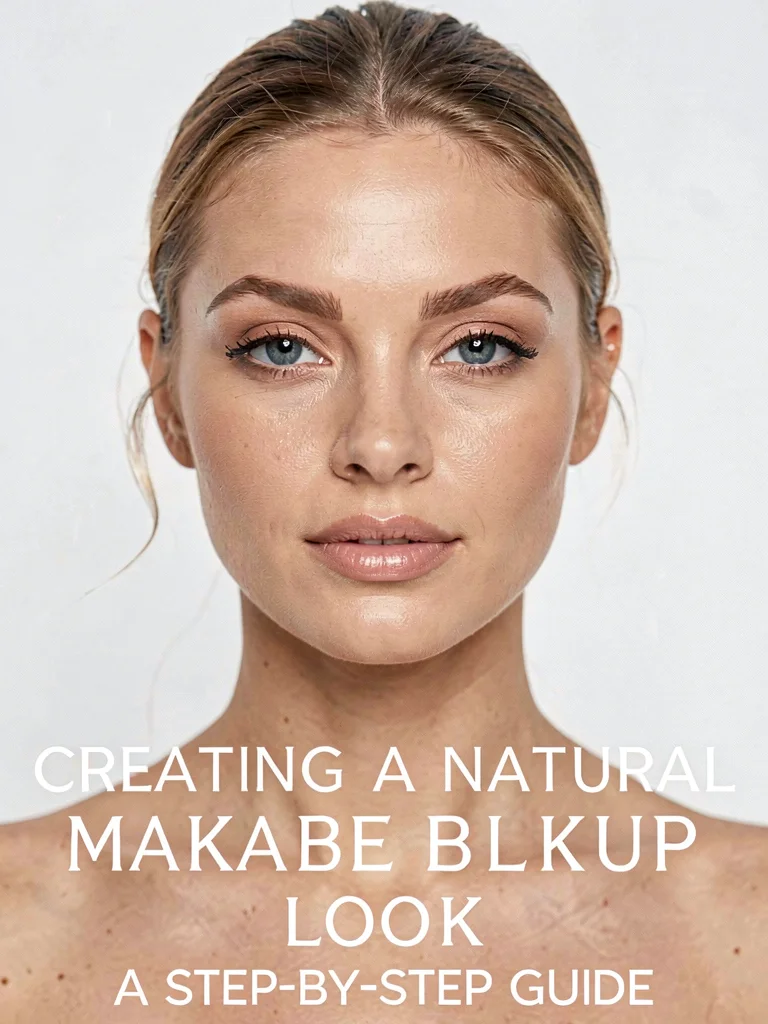
Achieving a natural makeup look emphasizes enhancing individual features rather than masking them, focusing on a fresh, radiant complexion. This approach typically involves minimal product application and strategic placement to create a polished yet understated appearance. The goal is to make it seem as though one is not wearing much makeup at all, highlighting inherent beauty.
Begin by preparing the skin to ensure a smooth canvas for makeup application. Cleansing, toning, and moisturizing are crucial steps that hydrate the skin and improve product adherence. A well-hydrated base helps makeup blend seamlessly and prevents a cakey finish.
Next, apply a lightweight foundation or tinted moisturizer, focusing on evening out skin tone without heavy coverage. Use a damp beauty sponge or your fingertips to press the product into the skin, ensuring a natural, skin-like finish. Conceal any specific imperfections, such as under-eye circles or blemishes, with a small amount of concealer blended precisely into the skin.
- Define Brows Softly: Use a brow pencil or powder that matches your natural hair color to fill in sparse areas with light, feathery strokes, then brush them into place.
- Add Subtle Color: Apply a cream blush to the apples of the cheeks for a healthy flush, blending upwards towards the temples.
- Enhance Eyes Minimally: Opt for a neutral eyeshadow shade, such as a matte brown or taupe, across the lid, and finish with one or two coats of brown or black mascara.
- Hydrate Lips: Choose a tinted lip balm or a nude lipstick shade close to your natural lip color to add moisture and a hint of definition.
This step-by-step process helps create a cohesive and natural aesthetic. Many professional makeup artists advocate for this “less is more” philosophy, noting its ability to highlight natural beauty effectively Makeup Artist Magazine. The global market for natural and organic cosmetics is projected to reach $22 billion by 2024, reflecting a growing consumer demand for cleaner beauty options Statista.
Choosing the Right Natural Makeup for Your Skin Type
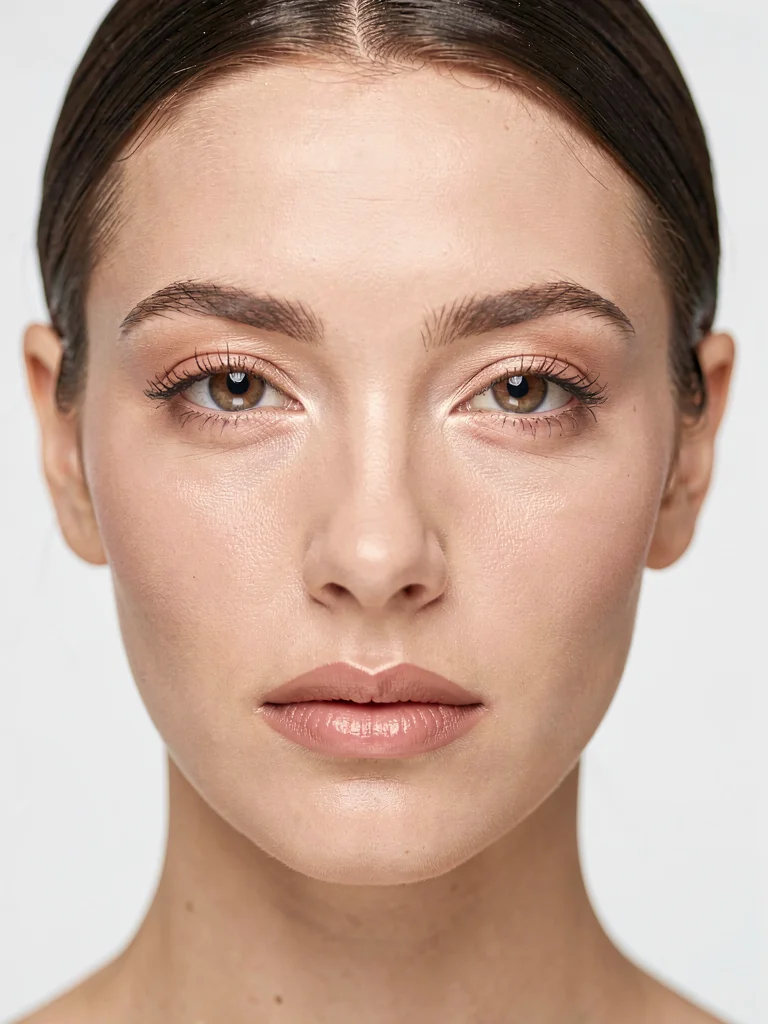
Selecting natural makeup tailored to your skin type optimizes performance and minimizes potential irritation. Different skin types benefit from specific formulations designed to address their unique needs.
For oily or acne-prone skin, look for non-comedogenic formulas that will not clog pores. Products containing ingredients like salicylic acid or tea tree oil can help manage excess sebum and breakouts Journal of the American Academy of Dermatology. Matte finishes are often preferred to control shine throughout the day.
Individuals with dry or mature skin benefit from hydrating and emollient-rich natural makeup products. Seek out foundations and concealers infused with hyaluronic acid, glycerin, or natural oils such as jojoba or argan oil. These ingredients help to retain moisture, providing a dewy finish and reducing the appearance of fine lines Dermatology Times.
Sensitive skin requires particular attention to ingredient lists to avoid potential irritants. Opt for fragrance-free and hypoallergenic formulations with minimal ingredients. Mineral-based makeup, often containing zinc oxide and titanium dioxide, can be a gentle option, offering both coverage and sun protection without harsh chemicals.
- Normal Skin: Versatile skin types can generally use a wider range of natural makeup formulations, from luminous to semi-matte finishes.
- Combination Skin: Address different areas of the face with targeted products; for example, a mattifying primer on the T-zone and a hydrating foundation elsewhere.
- Hyperpigmented Skin: Utilize natural makeup foundations with buildable coverage to even out skin tone, potentially incorporating vitamin C for brightening benefits.
Understanding your skin’s specific requirements ensures that your natural makeup enhances your complexion effectively. This personalized approach contributes to both skin health and aesthetic appeal.
Frequently Asked Questions
What is the most natural makeup brand?
No single brand is universally considered the “most natural,” as definitions of “natural” vary widely across the beauty industry. Consumers should prioritize brands that offer transparent ingredient lists and certifications from reputable organizations like Ecocert or USDA Organic for specific product claims. Researching individual product formulations for plant-derived ingredients and the absence of synthetic fragrances, parabens, and phthalates provides a more accurate assessment.
Which foundation is best for eczema?
Foundations best suited for eczema-prone skin are typically fragrance-free, hypoallergenic, and non-comedogenic, minimizing potential irritants. Mineral-based foundations containing zinc oxide or titanium dioxide can be beneficial, offering gentle coverage and anti-inflammatory properties without harsh chemicals. Consulting a dermatologist for personalized product recommendations is advisable to ensure compatibility with individual skin sensitivities.
Can makeup hide rosacea?
Makeup can effectively camouflage the redness associated with rosacea by utilizing color-correcting primers and foundations. Green-tinted primers neutralize red tones, while buildable, non-comedogenic foundations provide even coverage without exacerbating skin sensitivity. Selecting products specifically formulated for sensitive skin, free from common irritants like alcohol and fragrance, is crucial for managing rosacea symptoms.
What makeup is best for acne prone skin?
The best makeup for acne-prone skin is non-comedogenic, oil-free, and often mineral-based, preventing pore clogging and minimizing breakouts. Formulations containing salicylic acid or tea tree oil can offer additional blemish-fighting benefits while providing coverage. Prioritizing products labeled “hypoallergenic” and “fragrance-free” helps reduce irritation on sensitive, acne-prone complexions.
Conclusion
Embracing natural makeup means prioritizing skin health and subtle enhancement over heavy coverage. This approach allows individual beauty to shine through, fostering confidence and a radiant appearance. Begin by assessing your current skincare routine and makeup bag, identifying one product to swap for a more skin-friendly, transparently formulated alternative.
The future of beauty increasingly emphasizes sustainable practices and personalized care, aligning perfectly with the principles of natural makeup.