Last reviewed: May 2026
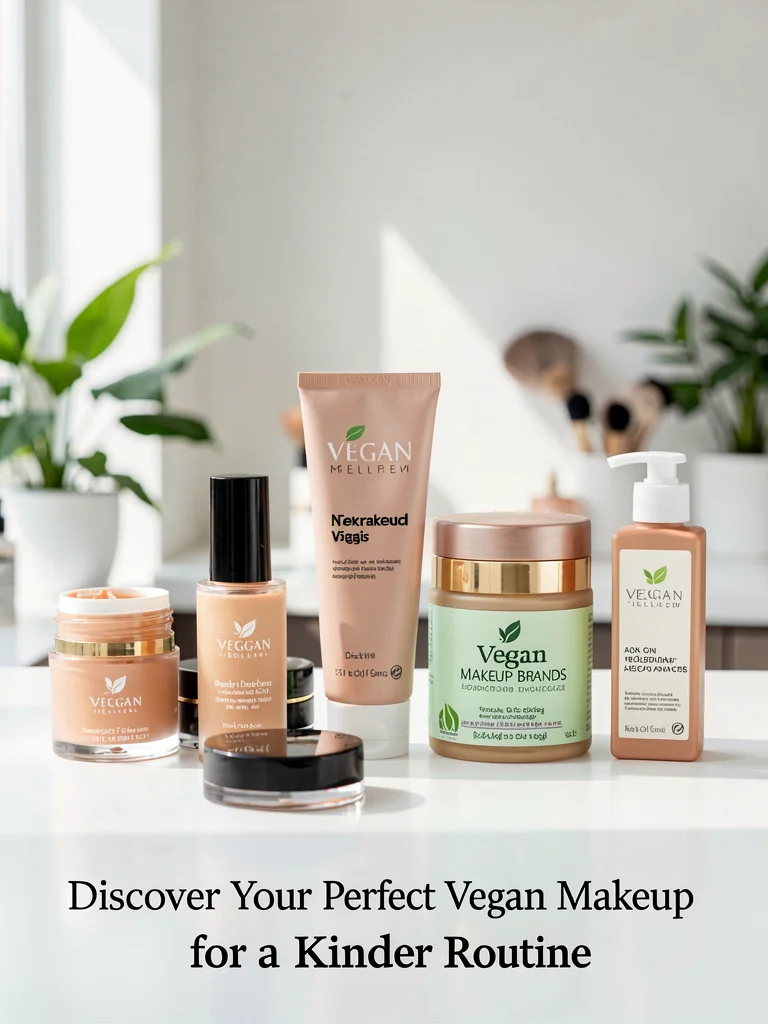
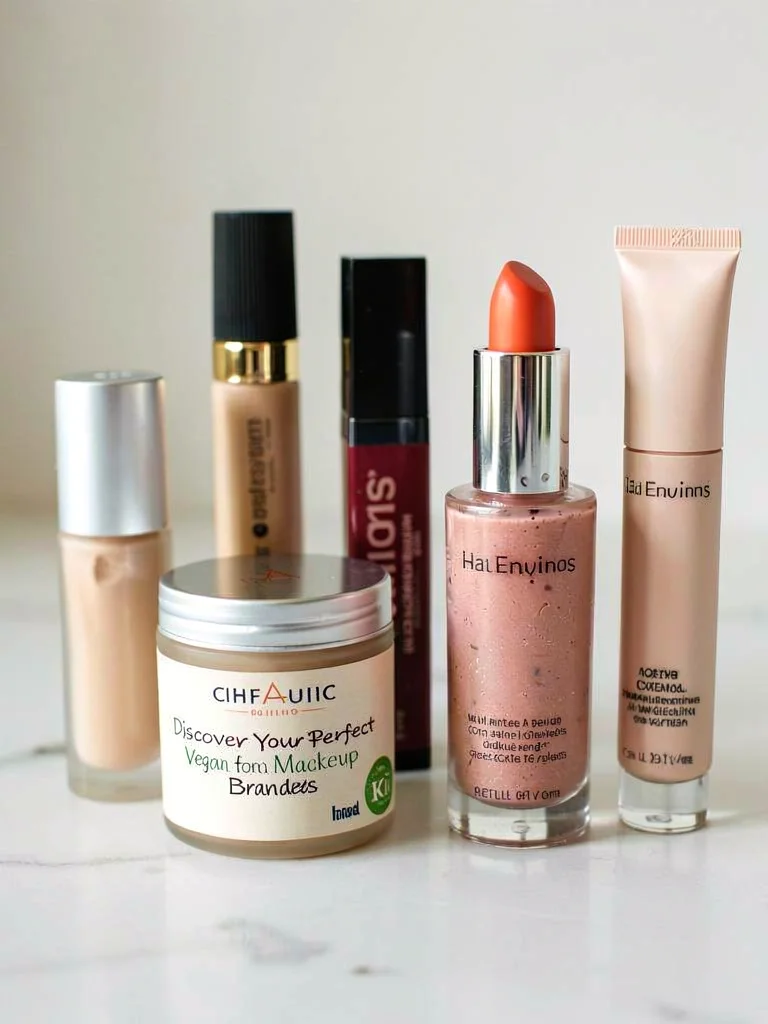
The selection of vegan makeup brands has expanded significantly, offering consumers products formulated without animal-derived ingredients and often produced without animal testing.
The demand for cosmetics free from animal products and byproducts has driven innovation across the beauty industry. Many brands now offer extensive vegan lines, ensuring that ethical considerations align with product performance. This shift reflects a broader consumer preference for transparency and ethical sourcing in personal care items.
Consumers seeking vegan options can find a wide array of products, from foundations to mascaras, at various retailers. Major beauty retailers like Sephora and Ulta feature dedicated sections for vegan cosmetics, simplifying the search for ethically produced items 5, 1. The availability of these products extends to both high-end and drugstore price points, making vegan beauty accessible to a diverse market.
How to Choose Vegan Makeup Brands
Selecting vegan makeup brands involves evaluating product formulations, brand ethics, and accessibility. Consumers prioritize brands that explicitly state their products are free from animal-derived ingredients and have not been tested on animals. This dual commitment ensures adherence to both vegan and cruelty-free principles.
Many brands now offer extensive vegan product lines, making it easier to find suitable options across various beauty categories. f.
When choosing vegan makeup, consider the following factors:
- Ingredient Transparency: Brands should clearly list all ingredients, allowing consumers to verify the absence of animal products like carmine, beeswax, or lanolin.
- Certifications: Look for certifications from organizations that verify both vegan and cruelty-free claims, providing an additional layer of assurance.
- Brand Philosophy: Research the brand’s overall commitment to ethical practices beyond individual product claims, including their supply chain and manufacturing processes.
Some brands, like Thrive Causemetics, are entirely vegan and cruelty-free, offering a comprehensive range of products from complexion to eye makeup 4. Other brands may offer specific vegan collections within a broader product line. The availability of vegan makeup brands at various price points, from drugstore to high-end, ensures options for diverse budgets.
| Criteria | What to Look For | Why It Matters | How to Check |
|---|---|---|---|
| Vegan Certification | Official seals from reputable organizations | Guarantees no animal-derived ingredients | Look for PETA, Vegan Society, or Leaping Bunny logos |
| Cruelty-Free Status | Brand does not test on animals at any stage | Ensures ethical treatment of animals | Verify with Leaping Bunny or PETA’s Beauty Without Bunnies list |
| Ingredient Transparency | Clear, understandable ingredient lists | Avoids hidden animal products or harmful chemicals | Review product pages and brand’s “about us” section |
| Brand Ethics & Values | Commitment to sustainability and fair practices | Supports companies aligned with your principles | Explore their website for mission statements and initiatives |
| Product Performance | Reviews and testimonials from other users | Ensures makeup meets your quality expectations | Read customer reviews and watch product demonstrations |
Key Factors That Change the Best Choice
The optimal selection among vegan makeup brands depends significantly on individual priorities, such as budget, specific product needs, and ethical considerations beyond animal-derived ingredients. While some consumers prioritize affordability and accessibility, others may seek brands with comprehensive sustainability initiatives or specialized product lines. The diverse market for vegan cosmetics accommodates a wide range of preferences.
f. Cosmetics offering 100% vegan and cruelty-free products at accessible price points [11]. Conversely, premium brands may feature specialized formulations or unique ingredients, appealing to those willing to invest more in their beauty routine.
Both segments provide extensive options for vegan makeup.
Product availability also influences decisions, as some brands offer a full spectrum of cosmetics, from foundations to mascaras, while others specialize in particular categories. For instance, Thrive Causemetics provides a comprehensive range of vegan and cruelty-free products, including complexion, eye, and lip makeup [4]. Major retailers like Sephora and Ulta curate dedicated sections for vegan makeup, simplifying the search for specific items across various brands 5, 1.
Ethical considerations extend beyond the absence of animal products and animal testing to encompass a brand’s broader environmental and social impact. Some brands emphasize sustainable sourcing, eco-friendly packaging, or philanthropic initiatives. Consumers interested in these aspects often research a brand’s overall mission and practices.
- Formulation Preferences: Some individuals seek specific ingredient profiles, such as mineral-based makeup or products free from common allergens, which can narrow down brand choices.
- Performance Expectations: The desired longevity, finish, and coverage of makeup products vary among users, leading them to brands known for excelling in those particular areas.
- Retailer Loyalty: Consumers may prefer purchasing from specific retailers, such as Sephora or Ulta, which influences the vegan makeup brands they consider.
Options, Fit, and Trade-Offs
The selection of vegan makeup brands involves evaluating various factors beyond the absence of animal-derived ingredients. Consumers often weigh considerations such as product accessibility, brand specialization, and overall ethical alignment. This nuanced approach helps individuals find products that meet both their cosmetic and value-based requirements.
Many brands offer cruelty-free and vegan makeup options across different price points and retail channels. f. Cosmetics provides a range of affordable vegan products, making them widely accessible [11].
Conversely, brands like Thrive Causemetics focus on high-performance formulations, often available through their direct-to-consumer channels or specialized retailers [4].
Retail availability also plays a significant role in consumer choice. Major beauty retailers such as Sephora and Ulta feature dedicated sections for vegan makeup, simplifying the discovery process for a diverse array of brands 5, 1. This allows consumers to explore multiple options in one location, comparing products side-by-side.
When selecting vegan makeup, consumers often consider the brand’s commitment to sustainability and social responsibility. Some brands prioritize eco-friendly packaging or participate in philanthropic initiatives, appealing to those seeking a broader ethical impact. Researching a brand’s mission statement and practices can provide insight into these commitments.
| Feature Category | Budget-Friendly Brands (e.g. E.l.f. Cosmetics) | Mid-Range Brands (e.g., Pacifica Beauty) | Premium Brands (e.g., ILIA) |
|---|
Requirements, Constraints, and Decision Criteria
Selecting vegan makeup brands involves navigating various practical considerations beyond the core definition of products free from animal-derived ingredients and animal testing. Consumers often prioritize product accessibility, seeking brands readily available through preferred retailers or online platforms. f.
Cosmetics offers a wide range of affordable vegan options, making them accessible to a broad consumer base [11].
Another key constraint involves budgetary limitations, as vegan makeup spans a wide price spectrum. While some brands offer entry-level pricing, others focus on premium formulations with higher costs. This necessitates a balance between desired product quality and financial parameters.
Decision criteria for choosing the subject frequently include the breadth of product offerings. Some brands specialize in specific categories, such as complexion products or eye makeup, while others provide a comprehensive line. Thrive Causemetics, for example, offers a full range of vegan and cruelty-free items, including foundations, mascaras, and lip products [4].
The ethical stance of a brand extends beyond vegan and cruelty-free certifications to encompass broader environmental and social impacts. Consumers increasingly consider factors like sustainable ingredient sourcing, eco-friendly packaging, and philanthropic initiatives. Researching a brand’s mission statement and practices can provide insight into these commitments.
- Ingredient Sourcing: Brands committed to ethical practices often detail the origin and cultivation methods of their ingredients.
- Packaging Materials: Preference for brands utilizing recycled, recyclable, or biodegradable packaging reduces environmental impact.
- Certifications: Independent certifications, such as those from PETA, confirm a brand’s adherence to vegan and cruelty-free standards [2].
- Brand Transparency: Companies that openly share their manufacturing processes and supply chain information build greater consumer trust.
Common Mistakes and Better Alternatives
Consumers often encounter common misconceptions when seeking the option, leading to purchasing decisions that may not align with their ethical or product performance expectations. A frequent error involves equating “cruelty-free” with “vegan,” despite these terms representing distinct criteria. While cruelty-free signifies that a product and its ingredients were not tested on animals, it does not guarantee the absence of animal-derived components like beeswax or carmine [2].
Another pitfall is assuming all products from a brand are vegan simply because some are labeled as such. Many brands offer mixed lines, where only specific products or collections are formulated without animal ingredients. For instance, a brand might feature a vegan foundation while its mascara contains beeswax.
Verifying individual product labels or consulting a brand’s dedicated vegan product list is essential to ensure alignment with vegan principles.
Relying solely on front-of-package claims without examining the full ingredient list can also lead to misidentification. Some terms, such as “natural” or “plant-based,” do not automatically equate to vegan status. A product labeled “plant-based” might still contain non-vegan ingredients if the processing involved animal products.
- Misinterpreting “Cruelty-Free”: This label confirms no animal testing occurred, but it does not mean the product is free of animal-derived ingredients [2].
- Assuming Brand-Wide Vegan Status: Many brands offer both vegan and non-vegan products; individual product verification is necessary.
- Overlooking Ingredient Lists: Terms like “natural” do not guarantee vegan formulation, requiring a review of all components.
- Ignoring Third-Party Certifications: Organizations like PETA provide verified lists of vegan and cruelty-free makeup brands, offering a reliable resource for consumers [2].
Better alternatives involve a more rigorous approach to product selection. Prioritizing brands that explicitly state a 100% vegan commitment across their entire product line simplifies the shopping process. f.
Cosmetics, for example, are entirely vegan and cruelty-free, eliminating the need for individual product checks [11]. Consulting comprehensive lists from reputable organizations, such as PETA’s database of vegan makeup products, provides a verified resource for identifying truly vegan options [2].
Understanding Vegan vs. Cruelty-Free: A Critical Distinction
A common misconception among consumers is that “vegan” and “cruelty-free” are interchangeable terms. While often overlapping, they represent distinct ethical considerations in the beauty industry. Understanding this difference is crucial for making informed purchasing decisions that align with your values.
Why the Distinction Matters
Cruelty-free primarily refers to the absence of animal testing at any stage of product development, from raw ingredients to the final formulation. This means neither the product nor its components were tested on animals by the brand, its suppliers, or any third parties. Organizations like Leaping Bunny and PETA’s Beauty Without Bunnies program certify brands based on these criteria [2]. However, a cruelty-free product can still contain animal-derived ingredients. For example, a lipstick might not be tested on animals but could contain beeswax or carmine.
Vegan, on the other hand, means a product contains no animal-derived ingredients or by-products whatsoever. This includes common cosmetic ingredients like beeswax, honey, lanolin (from sheep’s wool), carmine (derived from insects), collagen (from animal tissue), and various animal-derived proteins. A vegan product may or may not be cruelty-free, depending on the brand’s animal testing policies. Therefore, for a truly ethical choice that avoids both animal exploitation and animal-derived ingredients, consumers should seek products that are explicitly labeled as both vegan and cruelty-free.
Conclusion
The expanding availability of the result signifies a notable shift towards more ethical and sustainable beauty practices within the cosmetics industry. Consumers now have numerous options that align with a commitment to avoiding animal-derived ingredients and animal testing. This evolution allows for a comprehensive beauty routine that does not compromise personal values.
To begin transitioning to a vegan makeup routine, individuals can explore brands explicitly labeled as that figure vegan and cruelty-free, such as e.l.f. Cosmetics, which simplifies product selection. Alternatively, consulting verified resources like PETA’s database offers a reliable method for identifying specific vegan products from a wider range of brands.
The continued growth in vegan cosmetic offerings suggests a future where ethical considerations become an increasingly standard component of product development and consumer choice.
What is the best vegan makeup brand?
Identifying a single “best” vegan makeup brand is subjective, as preferences vary based on product type, price point, and specific ingredient concerns. f. Cosmetics are recognized for their that figure vegan and cruelty-free commitment across their entire product line, simplifying the selection process for consumers. Other highly-regarded brands with extensive vegan offerings include Milk Makeup and KVD Beauty, which prioritize plant-based formulations.
Is NYX completely vegan?
NYX Professional Makeup is not a fully vegan company, though it offers a substantial range of vegan-friendly products. The brand clearly labels its vegan items, allowing consumers to identify products formulated without animal-derived ingredients. Consumers should always check individual product descriptions or packaging for the “vegan” designation when purchasing from NYX.
Is Ulta brand makeup vegan?
Ulta Beauty offers numerous cruelty-free cosmetics, but its private label brand, Ulta Beauty Collection, is not entirely vegan. While many products within the Ulta Beauty Collection are formulated without animal-derived ingredients, consumers must verify the vegan status of each specific product. Ulta Beauty’s website and product packaging typically indicate vegan formulations where applicable.
Is Elf a vegan makeup brand?
f. Cosmetics is a that figure vegan and cruelty-free makeup brand. All of its products are formulated without animal-derived ingredients and are not tested on animals. This commitment extends across its entire product range, providing a reliable option for consumers seeking fully vegan cosmetics.