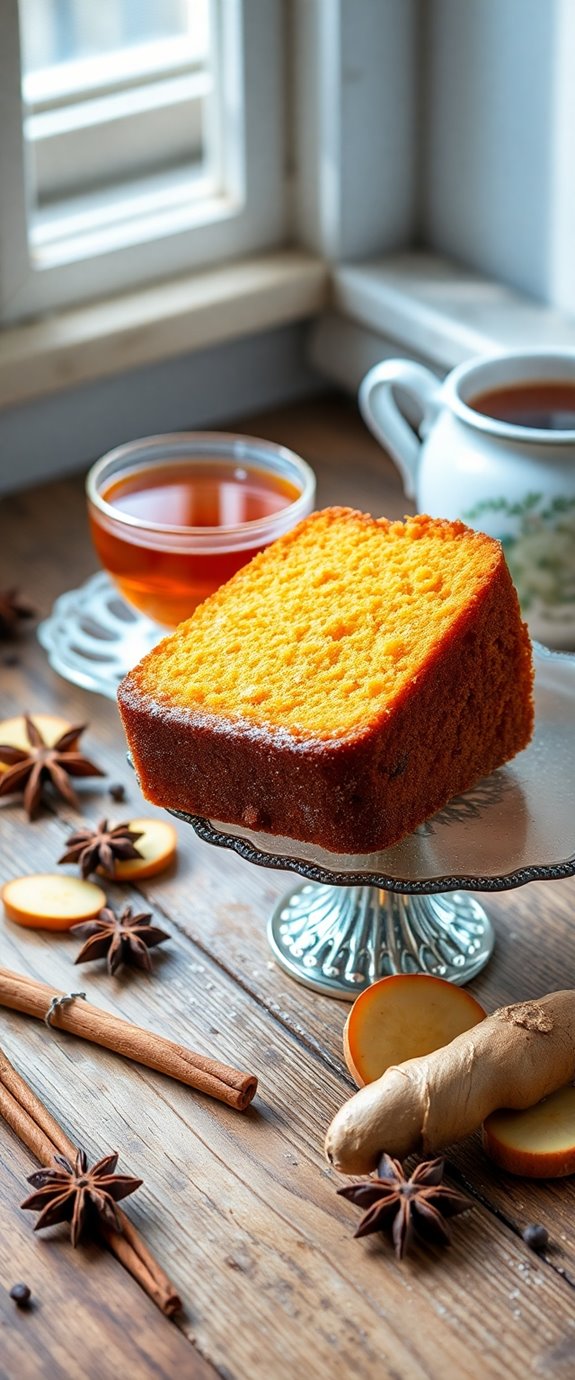
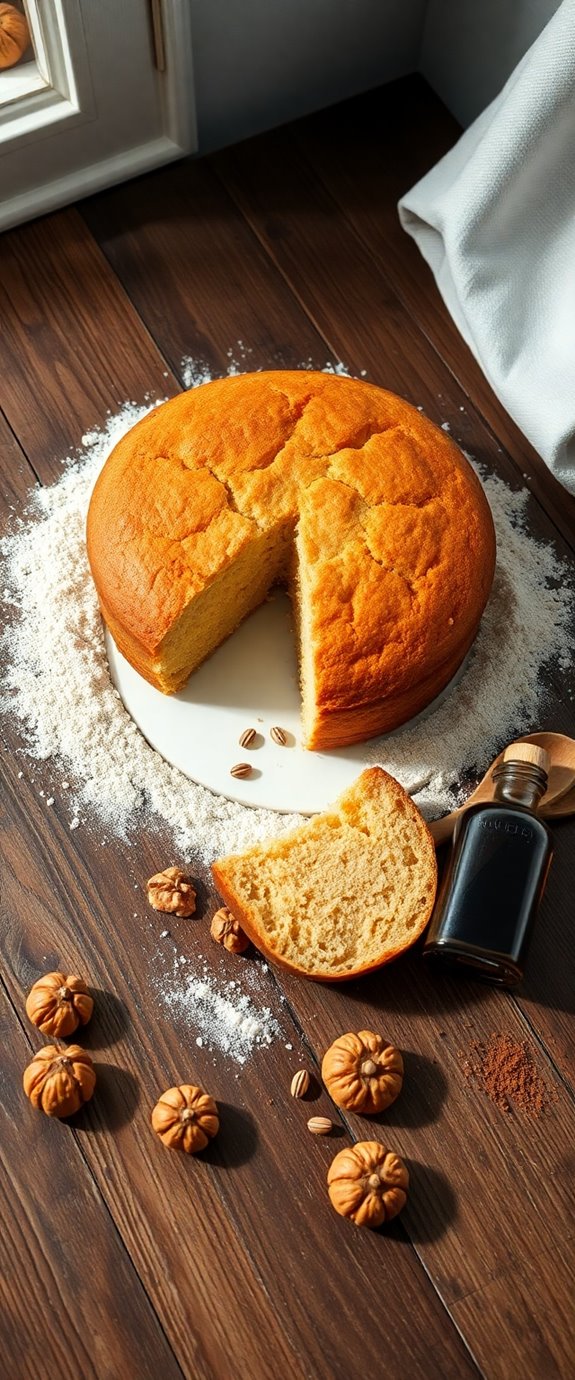
When it comes to baking a moist cake, the right combination of ingredients makes all the difference. You'll want to focus on flour, sugar, and butter for a rich base, but don't overlook the importance of adding something creamy for that extra moisture. Each step, from measuring to mixing, plays an essential role in achieving the perfect texture. But what specific techniques or ingredients can elevate your cake even further? Let's explore.
Recipe Tips and Tricks
- Use 2 cups of all-purpose flour, 1½ cups of sugar, and ½ cup of softened unsalted butter to create a moist cake base.
- Incorporate room temperature ingredients and consider adding yogurt or sour cream for extra moisture.
- Gradually mix dry ingredients with wet, alternating with 1 cup of milk to achieve a smooth batter.
- Bake in a preheated oven, checking doneness with a toothpick; avoid overmixing to maintain tenderness.
- Frost with cream cheese or chocolate ganache, and store leftovers tightly wrapped to retain moisture.
How To Make It – Recipe

To create a delicious moist cake, you'll start by gathering all the necessary ingredients and preparing your baking tools. The key to a moist cake lies in the balance of ingredients and the method of mixing. This recipe will yield a fluffy, tender cake that can be enjoyed on its own or dressed up with frosting, fruits, or whipped cream.
Before you begin, preheat your oven to 350°F (175°C) and grease your cake pans. It's important to have everything ready to go, so measure out your ingredients in advance. The combination of wet and dry ingredients will create a rich batter that bakes into the perfect cake, ensuring each slice is moist and flavorful.
Ingredients:
- 2 cups all-purpose flour
- 1 ½ cups granulated sugar
- ½ cup unsalted butter, softened
- 1 cup milk
- 3½ teaspoons baking powder
- 1 teaspoon vanilla extract
- ½ teaspoon salt
- 3 large eggs
In a large mixing bowl, cream together the softened butter and sugar until light and fluffy. Then, add the eggs one at a time, mixing well after each addition. Next, stir in the vanilla extract.
In a separate bowl, combine the flour, baking powder, and salt. Gradually add the dry ingredients to the wet mixture, alternating with the milk. Mix until just combined, being careful not to overmix.
Pour the batter evenly into the prepared cake pans and bake for 25-30 minutes, or until a toothpick inserted in the center comes out clean. Allow the cakes to cool in the pans for 10 minutes before transferring them to a wire rack to cool completely.
For an even moister cake, consider adding a simple syrup made from equal parts sugar and water, brushed over the cooled cake layers. Additionally, incorporating ingredients like sour cream or yogurt into the batter can enhance moisture.
Using oil in cake recipes is another great method to achieve a moist texture.
Always check for doneness a few minutes before the recommended time, as oven temperatures can vary. Enjoy your baking adventure!
Substitution Suggestions
Baking a moist cake can be easily adapted to fit your pantry's offerings or dietary preferences.
If you're out of butter, consider using butter alternatives like coconut oil or applesauce for a delightful twist. These substitutes not only keep your cake moist but also add unique flavors.
When it comes to egg replacements, options like flaxseed meal mixed with water or a ripe banana work wonders. These alternatives guarantee your cake retains its texture while catering to vegan diets or egg allergies.
Embrace these substitutions, and you'll create a delicious cake that suits any dietary need without sacrificing taste! Additionally, using grated zucchini can enhance moisture and provide a nutritious ingredient that complements the cake's flavor profile.
Decorating Ideas
Transforming your moist cake into a stunning centerpiece is easier than you might think.
Start with a smooth layer of frosting—options like cream cheese, chocolate ganache, or whipped cream can elevate your cake's flavor and appearance.
Once frosted, consider adding cake toppers to create a personalized touch. Fresh fruit, edible flowers, or themed decorations can make your cake stand out at any occasion.
For an extra flair, sprinkle some edible glitter or nuts around the base. Incorporating coconut flavor can also enhance the overall taste and make your cake even more delightful.
With just a few simple techniques, you'll have a beautiful cake that not only tastes great but also looks irresistible!
Serving Suggestions
Once your beautifully decorated moist cake is ready, it's time to think about how to serve it to your guests.
Consider offering delightful cake pairings, like fresh berries or a scoop of vanilla ice cream, which enhance its flavors. For a twist, try flavor variations by adding a drizzle of chocolate ganache or a sprinkle of toasted nuts on top. You could also make fun chocolate cake pops as a playful way to enjoy cake in a bite-sized form.
You could also serve slices alongside a rich espresso or a revitalizing herbal tea, creating a perfect balance.
Remember, the right accompaniments can elevate your cake experience, making it memorable for everyone at the table.
Enjoy every delicious moment!
Make-Ahead and Storage
Although you might be tempted to serve your moist cake right away, planning ahead can enhance both the flavor and convenience of your dessert experience.
Consider freezing cakes for later enjoyment; they actually taste better after a day in the freezer. If you've baked multiple layers, wrap each one tightly in plastic wrap and aluminum foil before freezing. This prevents freezer burn and keeps your cake moist.
When you're ready to serve, simply thaw the layers at room temperature, then assemble them. This make-ahead approach not only saves time but also allows the flavors to meld beautifully, ensuring a delightful treat. Additionally, freezing cakes allows for longer storage without sacrificing taste, making it a practical solution for cake lovers.
How to Store Leftovers
Storing leftover moist cake properly is essential to maintain its delicious texture and flavor.
For ideal leftover storage, wrap the cake tightly in plastic wrap or aluminum foil. This prevents air from drying it out and keeps those mouthwatering flavors intact.
If you prefer, place the wrapped cake in an airtight container for added protection. Store it in the refrigerator for up to a week or freeze individual slices for up to three months. A moist carrot cake is especially delightful when properly stored.
When you're ready to enjoy, let it thaw at room temperature.
With these simple tips, you'll guarantee perfect cake preservation for every delightful bite!
Nutrition Facts(per serving)
Each serving typically contains around 250-350 calories, depending on the recipe's ingredient breakdown. You'll find carbohydrates primarily from flour and sugar, offering energy, while butter and eggs provide fats and protein. Additionally, if you include fruits or nuts, you're adding vitamins and minerals. This balance makes your cake not only delicious but also a source of essential nutrients, allowing you to enjoy your dessert without guilt. Incorporating bananas into your cake can enhance its flavor and contribute to its moist texture, making it even more enjoyable.
Final Thoughts
As you reflect on your experience of baking and enjoying a moist cake, it's clear that this delightful dessert is more than just a sweet indulgence; it's also a celebration of flavors and textures.
Embracing different flavor variations can elevate your cake from ordinary to extraordinary. Don't shy away from experimenting with spices, fruits, or extracts.
Remember those essential baking tips—like using room temperature ingredients and measuring accurately—that guarantee your cake turns out perfectly moist every time. Additionally, incorporating almond flour can enhance the cake's moisture and flavor profile.
Each slice tells a story, inviting you to savor the journey of your baking adventure. Enjoy it, share it, and keep creating!
Recipe FAQs
Can I Use Whole Wheat Flour Instead of All-Purpose Flour?
You can use whole wheat flour instead of all-purpose flour, but expect a denser texture. The nuttier flavor enhances your dish, though you might need to adjust liquid ingredients for balance. Enjoy your baking adventure!
What Makes a Cake Moist Beyond Just Ingredients?
A dry cake crumbles, while a moist one delights. You can achieve that perfect cake texture by mastering baking techniques like proper mixing, avoiding overbaking, and incorporating ingredients that retain moisture, like yogurt or applesauce.
How Do I Prevent My Cake From Sinking?
To prevent your cake from sinking, guarantee your cake structure is strong by mixing ingredients thoroughly and avoiding overmixing. Also, maintain an even baking temperature throughout; fluctuating heat can cause collapse during cooling.
Can I Add Fruit to the Batter for Extra Moisture?
Absolutely, you can add fruit types like bananas or apples for extra moisture. They not only enhance flavor but also boost moisture levels, ensuring your cake stays tender and delicious throughout. Just adjust the liquid accordingly!
What Is the Best Way to Test Cake Doneness?
To test your cake's doneness, insert a toothpick into the center. If it comes out clean or with a few crumbs, your cake's ready. Look for golden edges and a springy surface as doneness indicators.