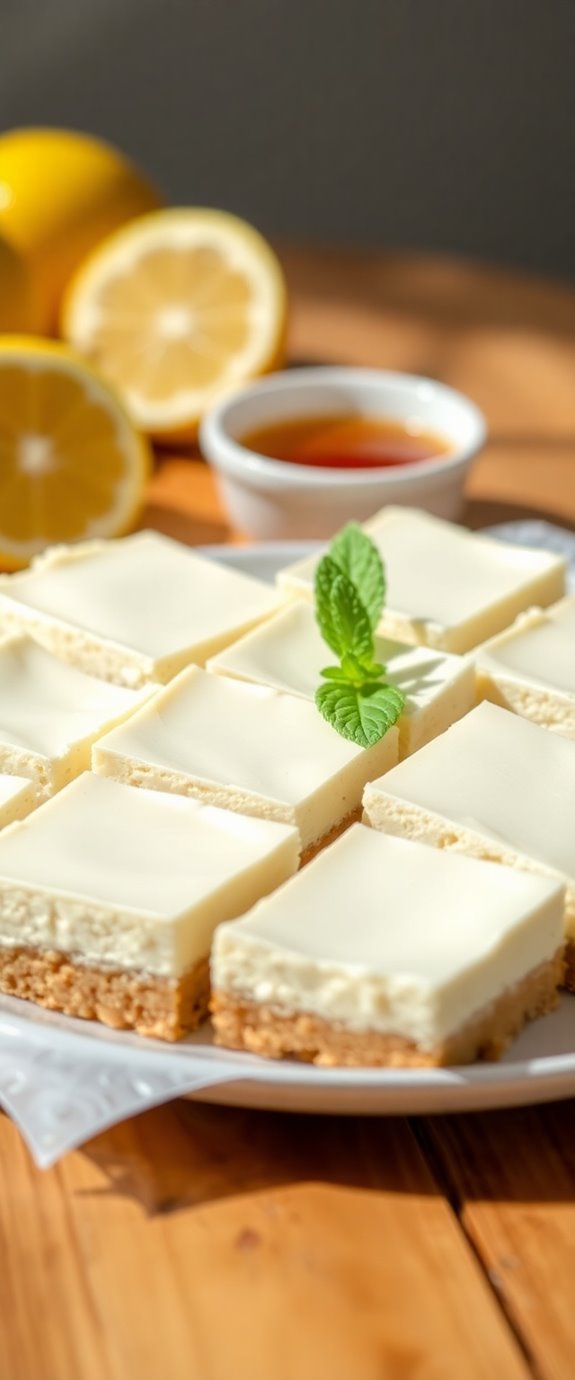
Did you know that over 90% of Americans enjoy cheesecake at least once a year? This beloved dessert is not only a staple at celebrations but also a delightful way to treat yourself. If you're curious about how to create your very own homemade cheesecake, you'll be pleased to discover that the process is simpler than you might think. Let's explore the essential steps and tips to craft this creamy indulgence.
Recipe Tips and Tricks
- Start with a buttery graham cracker crust and high-quality cream cheese for a rich filling.
- Prepare ingredients in advance to ensure smooth mixing and optimal texture.
- Chill the cheesecake properly after baking to enhance flavor and consistency.
- Experiment with toppings like fresh fruits, chocolate sauce, or whipped cream for decoration.
- Consider making the cheesecake a day ahead for better flavor blending and serve at 50°F to 60°F.
How To Make It – Recipe
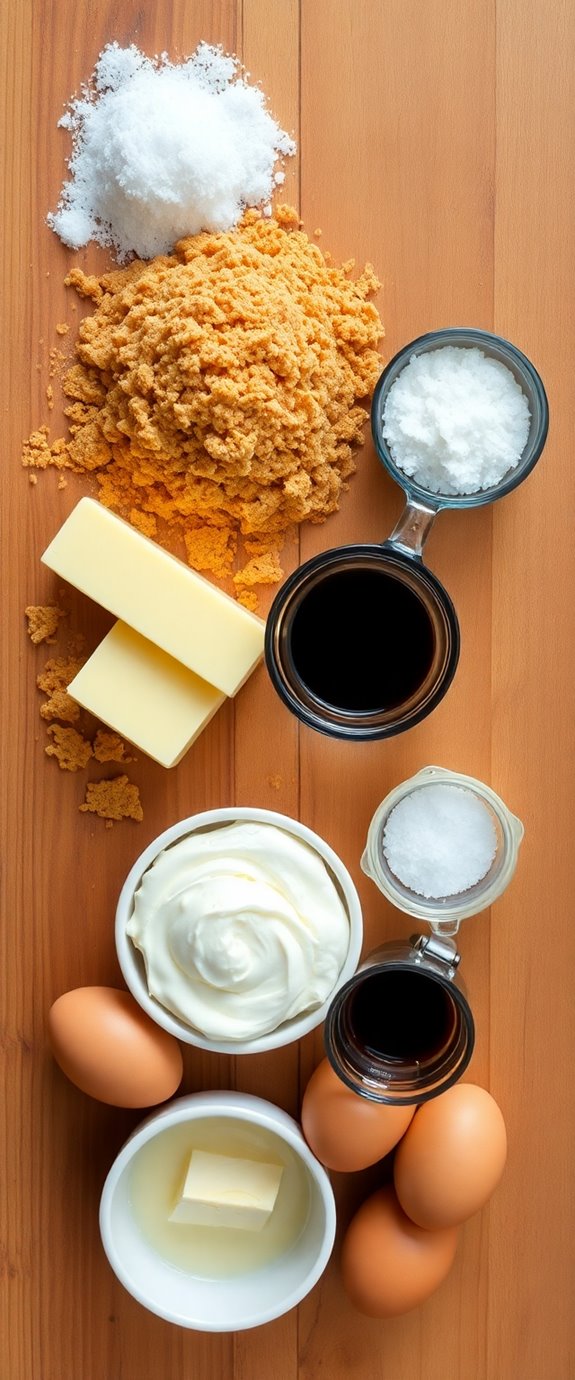
Creating a homemade cheesecake is a delightful experience that results in a rich, creamy treat perfect for any occasion. This classic dessert features a buttery graham cracker crust and a velvety filling, which can be tailored with various toppings to suit your preference. To achieve the best outcomes, it's important to use high-quality ingredients and follow the steps carefully. Preparing your ingredients beforehand and allowing the cheesecake to chill properly after baking will enhance its flavor and texture. Additionally, incorporating high-quality ingredients can significantly elevate the overall taste of your cheesecake. Get ready to indulge in a slice of bliss!
Substitution Suggestions
If you find yourself missing an ingredient or have dietary preferences to contemplate, don't worry—substituting components in your cheesecake recipe can still yield delicious results.
For cream cheese alternatives, consider using Greek yogurt or silken tofu for a lighter treat. These options maintain that creamy texture while offering a twist on flavor. Additionally, incorporating Deliciously Creamy Greek Yogurt can enhance the cheesecake's richness and tanginess.
When it comes to sweetener options, you can swap traditional sugar with honey, agave syrup, or even a sugar substitute like stevia. Each choice brings its unique sweetness and complements the cheesecake beautifully, ensuring you can enjoy a delightful dessert tailored to your taste and dietary needs.
Decorating Ideas
While the rich, creamy texture of your homemade cheesecake is a treat in itself, adding a few decorative touches can elevate it to a stunning centerpiece.
Consider using fresh fruits like strawberries or blueberries as cheesecake toppings, creating a vibrant contrast against the creamy filling. Drizzling chocolate or caramel sauce adds a touch of indulgence. Incorporating blueberry cheesecake into your dessert repertoire can enhance flavor and presentation.
For elegant presentation techniques, use a piping bag to swirl whipped cream around the edges, or garnish with mint leaves for a pop of color. A sprinkle of crushed graham crackers can provide a delightful texture, making your cheesecake not just delicious but visually stunning as well.
Serving Suggestions
When it comes to serving your homemade cheesecake, presentation is key to enhancing the overall experience.
Consider elegant serving styles like slicing your cheesecake into perfect wedges, each topped with a dollop of whipped cream or a drizzle of chocolate sauce. Pair your cheesecake with fresh fruits, like berries or sliced peaches, to add color and flavor contrast.
You might also try serving it alongside a scoop of vanilla ice cream for a delightful twist. For an extra touch, you can create a Deliciously Creamy Strawberry Cheesecake Delight by incorporating fresh strawberries into your cheesecake batter.
Don't forget to explore cheesecake pairings like coffee or dessert wines, which can elevate the tasting experience and leave your guests asking for seconds!
Make-Ahead and Storage
Preparing your cheesecake ahead of time can be a real lifesaver, especially when you're managing a busy schedule. You can make it a day or two in advance, allowing the flavors to blend beautifully. Additionally, a delicious no-bake cheesecake requires minimal oven time, making it a perfect choice for quick preparations.
If you want to prolong its shelf life, consider freezing cheesecake. Wrap it tightly in plastic wrap and then foil to prevent freezer burn. When you're ready to serve, thaw it in the fridge overnight for the best texture. Aim for a serving temperature of around 50°F to 60°F for that creamy, melt-in-your-mouth experience. Organizing ahead means you can enjoy every bite without the stress!
How to Store Leftovers
Leftover cheesecake is a delightful treat, and storing it properly guarantees you can savor every last bite.
For ideal leftover storage, slice your cheesecake into individual portions, making it easier to grab a piece when cravings hit. Place the slices in an airtight container or wrap them tightly in plastic wrap to prevent drying out.
Ascertain your fridge is set to the right temperature, ideally below 40°F, for proper refrigeration. Enjoy your cheesecake within a week for the best flavor and texture. Additionally, consider that no bake gluten free cheesecake can offer a unique twist to your dessert experience.
With these simple tips, you'll keep your delicious creation fresh and ready for indulgence!
Nutrition Facts(per serving)
A single slice of homemade cheesecake packs a rich blend of flavors and textures, making it a decadent dessert choice.
With an average caloric content of around 250-350 calories, it's important to savor each bite. The ingredient breakdown reveals a delightful combination of cream cheese, sugar, and buttery crust, each contributing to the overall taste.
You'll also find fats and carbohydrates, which enhance its creamy consistency. While it's a treat, balancing indulgence with portion control is key. Additionally, the cheesecake recipe showcases the versatility of this dessert, allowing for various flavors and toppings.
Enjoy this dessert knowing you're relishing a classic recipe that satisfies your sweet cravings while being mindful of its nutritional value.
Final Thoughts
While indulging in a slice of homemade cheesecake, you're not just enjoying a dessert; you're experiencing a timeless classic that brings comfort and joy.
The beauty of cheesecake lies in its endless possibilities. You can experiment with cheesecake variations, from fruity toppings to rich chocolate swirls, transforming each bite into a unique experience.
Consider flavor combinations like lemon zest paired with blueberries or caramel swirled with pecans to elevate your creation. Additionally, the best cheesecake recipe often incorporates a creamy texture that is achieved through careful mixing and baking techniques.
So, gather your ingredients and let your creativity shine! Your cheesecake isn't just a treat; it's a canvas for flavors, waiting for your personal touch.
Enjoy every decadent moment!
Recipe FAQs
Can I Use a Different Type of Cheese for Cheesecake?
Absolutely, you can experiment with alternative cheese options like mascarpone or ricotta. These choices create unique flavor variations, adding creaminess and richness to your cheesecake, making it a delightful twist on the traditional recipe. Enjoy your creativity!
How Do I Prevent Cracks in My Cheesecake?
To avoid a cheesecake that looks like it's been through a minor earthquake, keep an eye on your oven temperature, don't overmix, and use a water bath. Perfect cheesecake texture awaits you!
What's the Best Way to Tell When Cheesecake Is Done?
To determine when your cheesecake's finished, examine the texture. It should be firm around the edges but somewhat wobbly in the center. Generally, this requires about 50 to 60 minutes of baking time.
Can I Freeze Cheesecake and How Long Does It Last?
Absolutely, you can freeze cheesecake! For ideal taste, wrap it well. It'll last about 2-3 months in the freezer. Just remember to thaw it in the fridge for best texture and flavor—enjoy those freezing tips!
Is It Necessary to Use a Water Bath While Baking Cheesecake?
Using a water bath isn't strictly necessary, but it offers fantastic benefits. It helps regulate temperature, resulting in a creamy cheesecake texture that's smooth and prevents cracks, making your dessert more appealing and delicious.