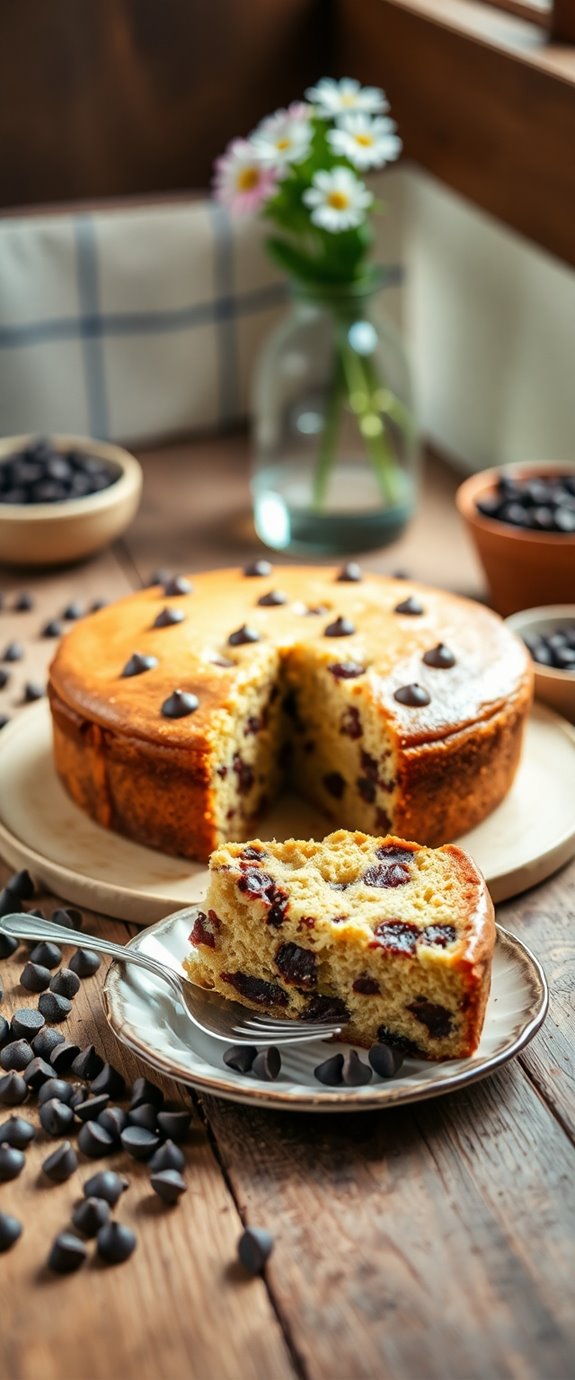
When you think of Japanese chocolate cake, picture a dessert that's both light and indulgent. Its airy texture contrasts beautifully with the deep, rich chocolate flavor, making each bite a delightful experience. This cake's simplicity is deceptive; it offers a sophisticated touch that's perfect for any occasion. Curious about how to create this elegant treat or what to pair it with? There's much more to explore in the art of crafting this exquisite dessert.
Recipe Tips and Tricks
- Japanese chocolate cake is often lighter and fluffier than traditional chocolate cakes, featuring airy textures and delicate flavors.
- It typically incorporates high-quality cocoa for enhanced depth and richness in flavor.
- The cake is usually made with separated eggs, creating a moist and tender crumb.
- Japanese chocolate cake can be elegantly decorated with chocolate ganache, fresh fruits, or edible flowers for a stunning presentation.
- It is best enjoyed after resting to allow flavors to deepen, making it ideal for make-ahead preparation.
How To Make It – Recipe
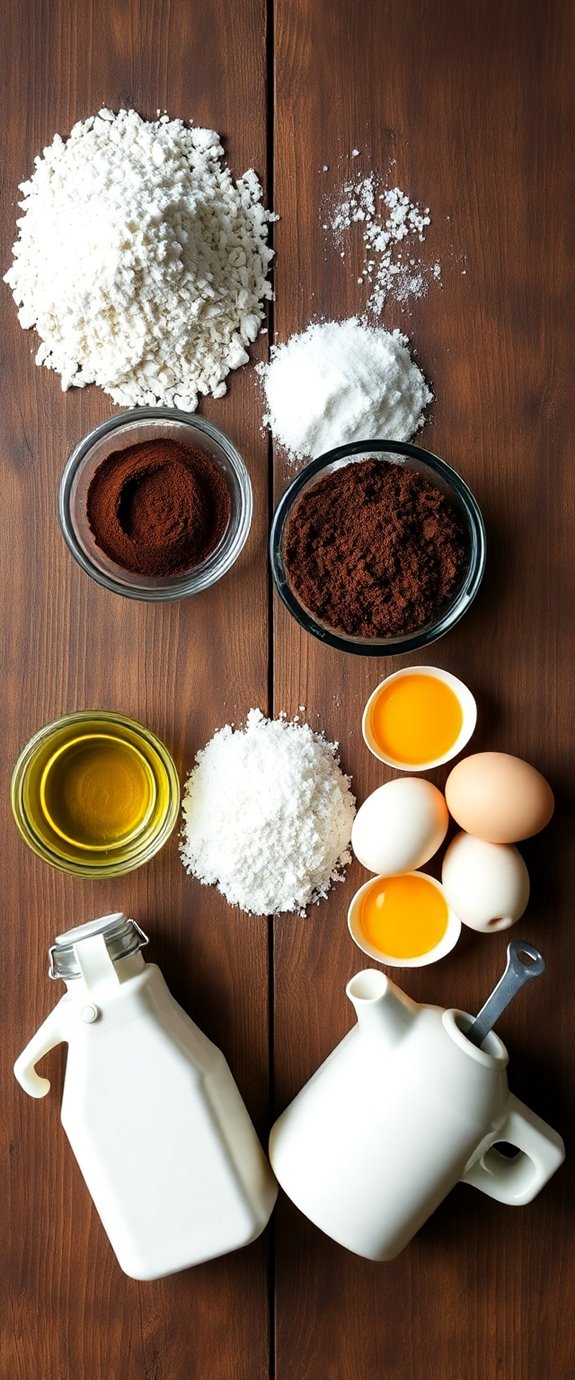
Ingredients:
- 1 cup (100g) all-purpose flour
- 1/2 cup (50g) unsweetened cocoa powder
- 1/2 cup (100g) granulated sugar
- 1/4 cup (60ml) vegetable oil
- 3 large eggs, separated
- 1/2 cup (120ml) milk
- 1 teaspoon vanilla extract
- 1 teaspoon baking powder
- A pinch of salt
- Powdered sugar for dusting (optional)
Cooking Instructions:
Preheat your oven to 350°F (175°C) and grease an 8-inch round cake pan.
In a mixing bowl, sift together the flour, cocoa powder, baking powder, and salt.
In another bowl, whisk together the egg yolks, granulated sugar, vegetable oil, milk, and vanilla extract until smooth.
Gradually add the dry ingredients to the wet mixture and combine until just blended.
In a separate bowl, beat the egg whites until stiff peaks form, then gently fold them into the chocolate batter, being careful not to deflate the mixture.
Pour the batter into the prepared cake pan and bake for 30-35 minutes, or until a toothpick inserted in the center comes out clean.
Allow the cake to cool in the pan for 10 minutes before transferring it to a wire rack to cool completely.
Extra Tips:
For the best results, verify that your ingredients are at room temperature before you start mixing.
This helps to create a smooth batter and guarantees even baking.
When folding the beaten egg whites into the chocolate mixture, use a gentle folding motion to maintain the airiness of the batter.
You can also experiment by adding flavors like espresso or orange zest to enhance the chocolate taste.
Finally, serve the cake with a light dusting of powdered sugar or a dollop of whipped cream for an extra touch of elegance.
Japanese chocolate cakes often feature rich chocolate flavors that elevate the dessert experience.
Enjoy your delicious Japanese chocolate cake!
Substitution Suggestions
If you find yourself missing an ingredient for the Japanese chocolate cake, don't worry—there are plenty of substitutions that can work just as well.
For flour alternatives, consider using almond flour or oat flour; they'll give your cake a unique texture and flavor.
If you're looking for sugar substitutes, try coconut sugar or a natural sweetener like maple syrup, which can enhance the cake's richness.
Remember, adjusting the liquid content might be necessary when using these alternatives. Additionally, using gluten free flour can ensure that your cake remains light and fluffy while accommodating dietary restrictions.
With these simple swaps, you can still whip up a delicious cake that retains the essence of the original recipe. Enjoy baking!
Decorating Ideas
Once your Japanese chocolate cake is baked to perfection, it's time to bring it to life with some eye-catching decorations.
Start by pouring a luscious chocolate ganache over the top, allowing it to cascade down the sides. This glossy finish not only enhances the cake's appeal but also intensifies the chocolate flavor.
For a touch of elegance, adorn the cake with vibrant edible flowers—think delicate pansies or fragrant violets. Their colors will pop against the rich chocolate, creating a stunning contrast.
A dusting of powdered sugar can add a final, whimsical touch, making your cake irresistible both to the eyes and taste buds. Additionally, consider incorporating vegan chocolate cake options for a delightful twist that caters to a wider audience.
Serving Suggestions
When it comes to serving your Japanese chocolate cake, presentation can elevate the experience from delightful to unforgettable. Aim for generous serving sizes, cutting perfect squares that reveal the rich, moist interior.
Enhance the flavors with chocolate pairings like a scoop of creamy vanilla ice cream or a drizzle of raspberry sauce to add a pop of color and tang. For a touch of elegance, sprinkle some matcha powder on the plate. Additionally, consider serving your cake with deliciously simple chocolate cake to offer a delightful contrast in flavors.
Don't forget the finishing touch: a sprig of mint or edible flowers. These simple additions transform your cake into a stunning centerpiece that'll impress your guests!
Make-Ahead and Storage
Although you might be tempted to indulge in your Japanese chocolate cake right away, making it ahead of time can enhance its flavors and texture. For the best results, consider these make-ahead tips: bake your cake a day or two in advance, allowing it to cool completely before wrapping it tightly. Use high-quality storage containers to keep it fresh and moist. If you're frosting, wait until just before serving to guarantee a perfect presentation. Additionally, allowing the cake to rest for a day can help develop a deeper flavor profile, making each bite even more delightful.
How to Store Leftovers
To keep your leftover Japanese chocolate cake tasting fresh and delicious, it's essential to store it properly.
Start by wrapping individual slices in plastic wrap to prevent drying out, ensuring each piece maintains its moist texture.
For longer leftover storage, place the wrapped slices in an airtight container.
If you anticipate keeping it for more than a few days, consider freezing it—just remember to double-wrap for ideal cake preservation.
When you're ready to indulge again, thaw it in the refrigerator overnight.
This method keeps your cake vibrant and delightful, ready to satisfy your sweet cravings anytime! Additionally, using a moisture-retaining technique like this helps maintain the cake's rich flavor and texture over time.
Nutrition Facts(per serving)
Indulging in a slice of Japanese chocolate cake not only satisfies your sweet tooth but also comes with its own set of nutritional benefits.
Each serving typically contains around 300-400 calories, making it a delightful treat without overwhelming your daily intake.
The ingredient breakdown reveals a harmony of rich chocolate, eggs, and often a hint of matcha, adding antioxidants to the mix. Additionally, the use of Korean cake ingredients can enhance the flavor profile and texture, making each bite truly memorable.
You'll also find a balance of fats and carbohydrates, ensuring you get a satisfying flavor while enjoying a moderate indulgence.
Final Thoughts
As you savor a slice of Japanese chocolate cake, it's clear that this delightful dessert transcends mere sweetness; it embodies a rich culinary tradition that balances flavor and nutrition.
The artistry lies not only in the cake's velvety texture but also in the thoughtful sourcing of ingredients, from high-quality cocoa to organic eggs.
You'll appreciate the flavor variations inspired by seasonal fruits or matcha, each bite offering a unique experience.
This cake invites you to indulge without guilt, showcasing how dessert can be both pleasurable and nourishing. Additionally, many recipes for vegan cakes highlight the use of high-quality cocoa, demonstrating that plant-based options can be equally delicious and satisfying.
Recipe FAQs
What Inspired the Creation of Japanese Chocolate Cake?
When you explore chocolate's rich history, you'll find diverse cultural influences blending together. These inspirations sparked unique creations, leading to innovative desserts. Each region adds its twist, making chocolate a universal delight, continuously evolving in culinary artistry.
Is Japanese Chocolate Cake Gluten-Free?
If you're looking for gluten-free options, check the ingredients carefully. Many recipes use gluten-free ingredients, making it suitable for those with dietary restrictions. Always verify your chocolate and flour choice aligns with your gluten-free needs.
Can I Use Dark Chocolate Instead of Milk Chocolate?
You can definitely use dark chocolate instead of milk chocolate! While milk chocolate offers sweetness, dark chocolate boasts rich flavor profiles and health benefits, enhancing your dessert with deeper, more intense chocolate notes that excite the palate.
What Occasions Are Best for Serving Japanese Chocolate Cake?
For celebration events, you'll find Japanese chocolate cake perfect. It complements festive gatherings, birthdays, and anniversaries. Pair it with fresh fruits or whipped cream for a delightful dessert experience that everyone will love and remember.
How Does Japanese Chocolate Cake Differ From Traditional Chocolate Cake?
While traditional chocolate cake boasts a rich, dense texture, you'll find Japanese chocolate cake lighter and fluffier. Its unique flavor profile blends subtle sweetness with a hint of umami, creating a delightful contrast that surprises your palate.