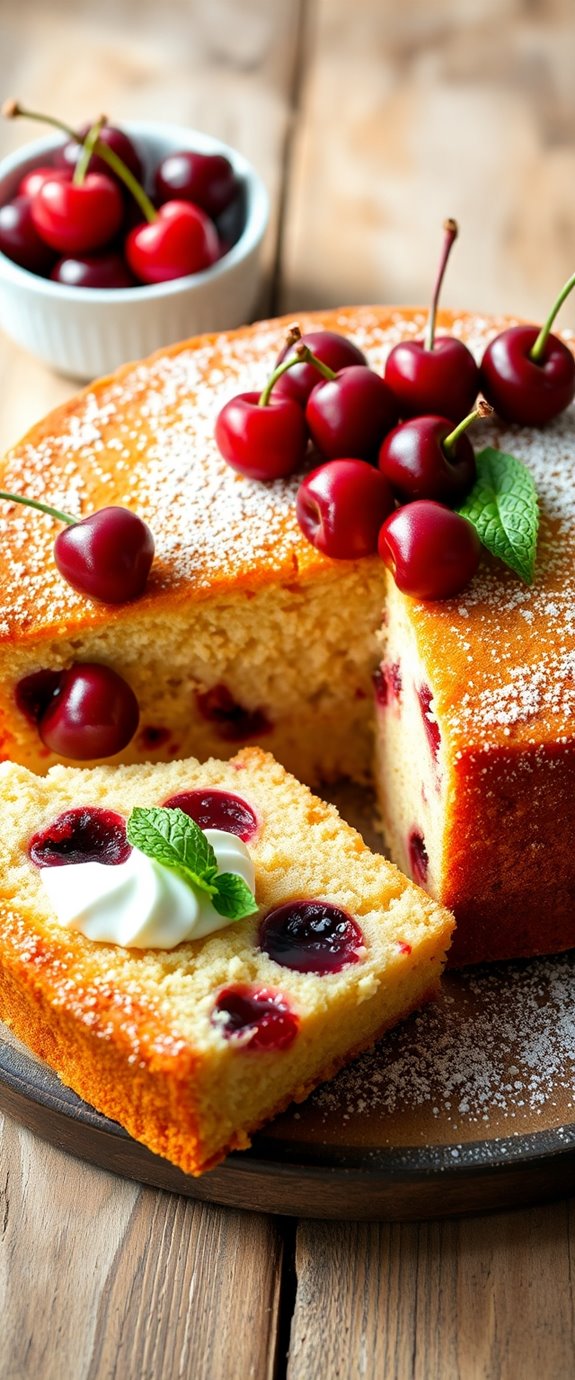
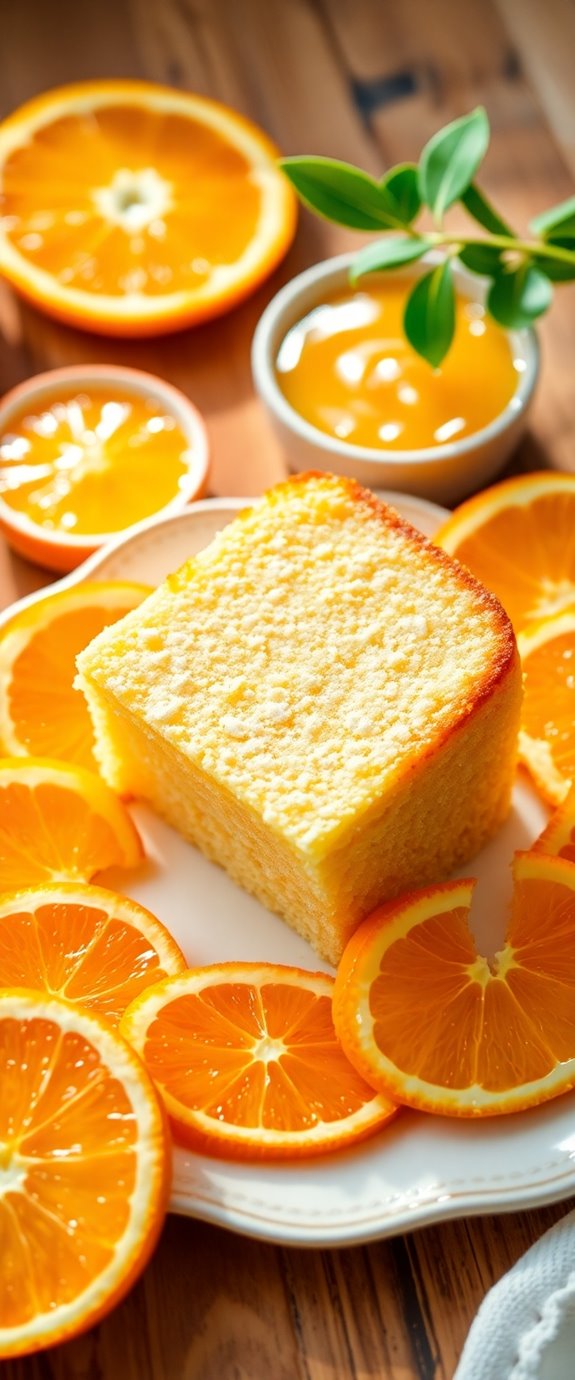
When you think of desserts, a Japanese cake might not be the first that comes to mind, but it deserves your attention. This unique blend of cream cheese and airy textures creates a light, flavorful treat that's perfect for any occasion. With a few simple ingredients, you can impress guests or satisfy your sweet tooth. Curious about how to make this delectable cake and the variations you can try? Let's explore the details together.
Recipe Tips and Tricks
- This Japanese cake features a light, airy texture achieved through the careful folding of whipped egg whites into the batter.
- The cake is made with cream cheese, butter, milk, eggs, and granulated sugar, creating a rich and satisfying flavor.
- Bake the cake in a water bath at 320°F (160°C) for about 60 minutes for even cooking and a perfect set.
- Customize the cake by adding matcha, chocolate, or fruit flavors to enhance its taste and presentation.
- Serve the cake chilled, optionally dusted with powdered sugar, and paired with fresh berries or sauces for added delight.
How To Make It – Recipe
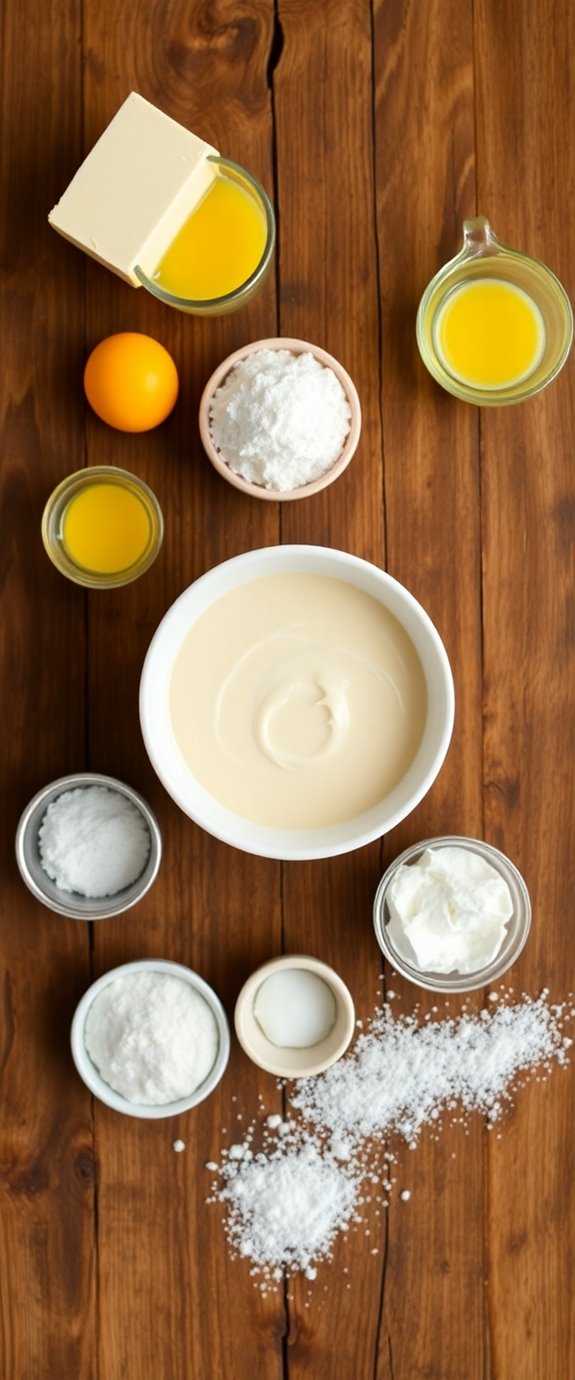
To make a delightful Japanese cake, often referred to as "Japanese cotton cheesecake," you'll need to master the delicate balance of flavors and textures that make this dessert so unique. This cake is known for its light, airy consistency, reminiscent of a soufflé, combined with a slightly sweet taste that melts in your mouth. It's perfect for any occasion, whether you're celebrating a birthday, having a tea party, or simply indulging in a sweet treat. Additionally, you might find inspiration from Korean chocolate cake for a different flavor profile to explore.
The key to a successful Japanese cake lies in the technique of folding the whipped egg whites into the batter, which creates that signature fluffiness. You'll also want to verify your ingredients are at room temperature for the best results. Once you've perfected this recipe, you'll find that this cake not only tastes incredible but also has a stunning appearance that will impress your guests.
Ingredients:
- 1 cup cream cheese
- 1/2 cup unsalted butter
- 1/2 cup milk
- 1/2 cup granulated sugar
- 4 large eggs, separated
- 1/2 cup cake flour
- 1 tablespoon cornstarch
- 1 teaspoon lemon juice
- A pinch of salt
- Powdered sugar for dusting (optional)
To prepare the cake, start by preheating your oven to 320°F (160°C) and greasing a round 8-inch cake pan. In a saucepan over low heat, melt the cream cheese, butter, and milk together, stirring until smooth. Remove from heat and let it cool slightly.
In a large bowl, whisk together the egg yolks and granulated sugar until pale and fluffy. Gradually add the cooled cream cheese mixture, followed by the cake flour, cornstarch, lemon juice, and salt, mixing until well combined.
In a separate bowl, beat the egg whites until soft peaks form, then gradually add the sugar and continue beating until stiff peaks form. Gently fold the egg whites into the cream cheese mixture in three additions, being careful not to deflate the batter.
Pour the batter into the prepared pan and bake in a water bath for about 60 minutes, or until the cake is set and lightly golden. Allow it to cool completely before removing from the pan and dusting with powdered sugar if desired.
For best results, make sure to use room temperature ingredients to verify a smooth batter. If you find your cake is browning too quickly in the oven, you can cover it loosely with aluminum foil. Additionally, letting the cake cool in the oven with the door slightly ajar helps prevent cracking and maintains its fluffy texture.
Enjoy your delicious Japanese cake with a cup of tea or coffee!
Substitution Suggestions
While the traditional Japanese cotton cheesecake recipe uses specific ingredients, you can easily make substitutions to suit your dietary needs or preferences without sacrificing flavor or texture.
For flour alternatives, try almond or oat flour for a gluten-free option. If you're looking for sugar substitutes, consider using honey or stevia to reduce calories.
For dairy options, non-dairy milk like almond or coconut milk works beautifully, while silken tofu can serve as a great egg replacement. Using a gluten-free option like almond flour not only caters to dietary restrictions but can also enhance the cake's nutty flavor.
Experimenting with these substitutions can lead to a delightful cheesecake tailored just for you, ensuring everyone can enjoy this delightful treat!
Decorating Ideas
Once you've perfected your Japanese cotton cheesecake with the right ingredients, it's time to get creative with decorating!
Start by choosing cake toppings that complement its light texture, like fresh fruit, whipped cream, or a dusting of powdered sugar.
For a pop of color, consider vibrant edible flowers or a drizzle of matcha glaze.
Use design techniques like layering different toppings or creating a simple fruit arrangement on top.
You can also use a stencil to add patterns with cocoa powder or matcha.
Additionally, consider incorporating elements from Deliciously Sweet Korean Cake recipes to enhance the flavor profile of your cheesecake.
Let your imagination run wild, and make your cheesecake visually stunning as well as delicious!
Serving Suggestions
When serving your fluffy Japanese cotton cheesecake, consider elevating the experience by pairing it with complementary sides. Fresh berries, like strawberries or blueberries, add a burst of color and flavor that contrast beautifully with the cake's richness.
You might also try a light drizzle of matcha or chocolate sauce for an added touch of sophistication. Additionally, consider serving it alongside a slice of Oreo Cake Delight, which offers a delightful contrast in texture and flavor profiles.
For serving styles, consider presenting individual slices on delicate plates, garnished with mint leaves for a touch of elegance. Alternatively, place the entire cheesecake on a decorative stand, allowing guests to serve themselves, encouraging a fun and interactive experience that enhances your gathering.
Make-Ahead and Storage
If you're planning ahead for a special occasion or simply want to enjoy your Japanese cotton cheesecake at your leisure, making it in advance is a great option.
To preserve cake freshness, let it cool completely before wrapping it tightly in plastic wrap. For longer storage, consider using freezer tips: slice the cheesecake into portions, wrap each slice individually, and place them in an airtight container. This way, you can easily grab a slice whenever you crave it! When you're ready to indulge, just thaw in the fridge for a few hours, and your delightful dessert will taste just as fresh. Additionally, making a cake without an oven allows you to explore various methods for creating delicious desserts at home.
How to Store Leftovers
To keep your leftover Japanese cotton cheesecake tasting fresh and delicious, it's essential to store it properly.
Begin by slicing the cake into individual pieces, which makes for easy access later. Wrap each slice tightly in plastic wrap to minimize air exposure, ensuring ideal leftover storage.
Place the wrapped slices in an airtight container to further enhance cake preservation. You can refrigerate the cheesecake for up to three days. Additionally, Japanese cake varieties can also benefit from similar storage techniques to maintain their quality.
If you want to enjoy it longer, consider freezing the slices. Just remember to thaw them in the fridge before serving, so your cheesecake retains its delightful texture and flavor.
Nutrition Facts(per serving)
Indulging in a slice of Japanese cotton cheesecake not only tantalizes your taste buds but also offers some appealing nutrition facts. Each serving typically contains around 200 calories, making it a delightful yet manageable treat.
The ingredient breakdown reveals a harmonious blend of cream cheese, eggs, and sugar, providing a rich source of protein and carbohydrates. You'll also find a touch of milk for creaminess and a hint of lemon zest for brightness. Additionally, this cake often features a decadent chocolate layer, enhancing its flavor profile and making it even more irresistible.
With a light texture and satisfying flavor, this dessert strikes a balance between indulgence and mindful eating, ensuring you enjoy every bite without guilt.
Final Thoughts
While savoring a slice of Japanese cotton cheesecake, you might find yourself reflecting on its delightful balance of flavors and textures.
This cake isn't just a treat; it's a versatile dessert perfect for various serving occasions, from cozy family gatherings to elegant dinner parties. You can experiment with cake variations, adding matcha, chocolate, or fruit flavors to elevate your creation. Additionally, incorporating decadent vegan options can make it accessible for everyone while maintaining rich flavor.
Each bite invites you to explore the light, airy consistency that makes it unique.
So, whether you're a seasoned baker or a curious novice, this cheesecake will surely impress and leave lasting memories at any celebration.
Enjoy every moment!
Recipe FAQs
What Is the History Behind Japanese Cake?
Japanese confectionery has a rich history shaped by cultural influences from China and the West. You'll discover how traditional techniques evolved, blending flavors and textures, creating delightful treats that reflect Japan's unique culinary identity.
Are There Regional Variations of Japanese Cake?
Yes, there're regional specialties across Japan, each showcasing unique flavor profiles. In Hokkaido, you'll find rich, creamy textures, while in Kyoto, delicate matcha infusions shine. Exploring these variations reveals the diverse culinary landscape of Japanese cake.
What Are Traditional Occasions for Serving Japanese Cake?
You'll find traditional Japanese cakes served at wedding celebrations, symbolizing joy and prosperity. Seasonal festivals also feature these delicacies, showcasing unique flavors and designs that reflect the beauty of nature and cultural significance throughout the year.
Can I Use Gluten-Free Flour for Japanese Cake?
Absolutely, you can use gluten-free flour for your cake! Just remember to adjust your baking techniques and explore gluten-free substitutes like almond or coconut flour for a deliciously moist and flavorful result. Enjoy experimenting!
What Beverages Pair Well With Japanese Cake?
Did you know that 80% of people enjoy tea with desserts? For a delightful pairing, try green tea or matcha. If you're feeling adventurous, explore sake options for a unique twist that complements flavors beautifully!