Last reviewed: May 2026
An open kitchen design integrates the cooking area seamlessly with adjacent living spaces, fostering a sense of connection and spaciousness. This architectural approach has become a cornerstone of modern home aesthetics, prioritizing functionality and social interaction. It transforms the kitchen from a secluded workspace into a central hub for family life and entertaining.
This design philosophy is particularly beneficial for open kitchen design for small house layouts, where removing walls can dramatically enhance perceived space and natural light. The absence of traditional barriers promotes fluid movement and communication between rooms. Homeowners often seek an open kitchen design with living room to create a cohesive environment for daily activities and social gatherings.
Contemporary trends favor a modern open kitchen design that combines sleek aesthetics with practical elements. These designs frequently feature minimalist cabinetry, integrated appliances, and large islands that serve multiple purposes. The emphasis is on clean lines and uncluttered surfaces, contributing to a sophisticated yet inviting atmosphere.
Many homeowners prefer an open kitchen design simple in its execution, focusing on essential elements that maximize both form and function. This simplicity allows for greater flexibility in decor and ensures the space remains timeless. Exploring various open kitchen design photos can provide inspiration for integrating these principles into diverse home styles.
What are the downsides of open-concept kitchen?
Open-concept kitchens present several challenges, primarily concerning noise, odors, and a lack of privacy. The absence of walls means cooking sounds, such as blenders or dishwashers, can easily permeate adjacent living areas, disrupting conversations or television viewing National Association of Home Builders. This can be particularly noticeable in an open kitchen design with living room.
Another significant drawback is the unimpeded spread of cooking odors and grease throughout the entire integrated space. Even with robust ventilation, strong smells from frying or certain spices can linger in upholstery and fabrics in the living and dining areas American Society of Interior Designers. This necessitates more frequent cleaning of a larger area.
- Limited sound insulation: Without physical barriers, noise from kitchen activities, including appliance operation and dish clatter, travels freely into connected rooms.
- Reduced privacy: The integrated nature of an open kitchen design offers less personal space for individuals working in the kitchen or those in the adjacent living areas.
- Visual clutter exposure: Any mess or unwashed dishes in the kitchen are immediately visible from all connected spaces, requiring constant tidiness.
- Higher heating/cooling costs: Larger, undivided spaces can be more challenging and expensive to heat or cool efficiently compared to compartmentalized rooms.
Why are open kitchens going out of style?
Open kitchens are experiencing a decline in popularity as homeowners increasingly prioritize distinct zones and specialized functions within their living spaces. The initial appeal of seamless integration has given way to a desire for more defined areas that offer both aesthetic and practical benefits. This shift reflects a broader trend towards modern open kitchen design that still feels connected but allows for greater separation when needed.
One primary reason for this reevaluation is the challenge of maintaining a consistently tidy appearance in a highly visible kitchen. Any culinary chaos, from meal preparation to dirty dishes, becomes an immediate focal point for guests and residents alike Houzz. This constant pressure for pristine presentation can detract from the relaxed atmosphere many homeowners seek.
- Increased demand for dedicated spaces: Many individuals now prefer separate areas for work, relaxation, and dining, moving away from a single, multi-purpose great room.
- Energy efficiency concerns: Dividing larger spaces into smaller, more manageable zones can lead to more efficient heating and cooling, reducing utility costs U.S. Department of Energy.
- Personalization and decor flexibility: Defined rooms allow for more varied interior design themes and personal touches without clashing with adjacent areas.
What are the most common kitchen layouts?
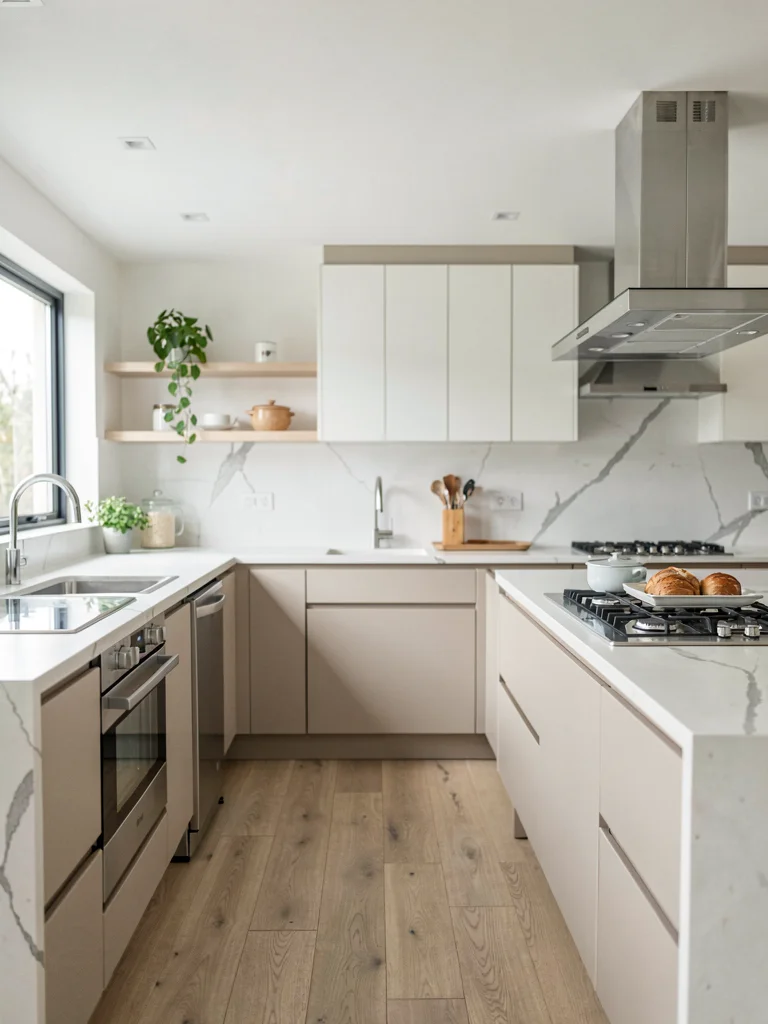
The most common kitchen layouts are the U-shaped, L-shaped, galley, and island designs, each offering distinct advantages for workflow and space utilization. U-shaped kitchens provide extensive counter space and storage across three walls, creating an efficient work triangle ideal for multiple cooks National Kitchen & Bath Association. This configuration often suits larger homes, allowing for a dedicated cooking zone.
L-shaped layouts are versatile, fitting well in both compact and expansive areas by utilizing two adjacent walls. This design naturally opens up floor space, making it suitable for an open kitchen design for small house where integration with dining or living areas is desired. Galley kitchens, characterized by two parallel walls, maximize efficiency in narrow spaces, keeping everything within easy reach for a single cook Better Homes & Gardens.
Kitchen island designs incorporate a central, freestanding unit that enhances functionality and serves as a focal point. Islands can provide additional prep space, seating, or integrated appliances, making them popular in modern open kitchen design for their blend of utility and social interaction. This layout is particularly effective for creating a natural division without fully enclosing the kitchen area.
U-shaped kitchen layout
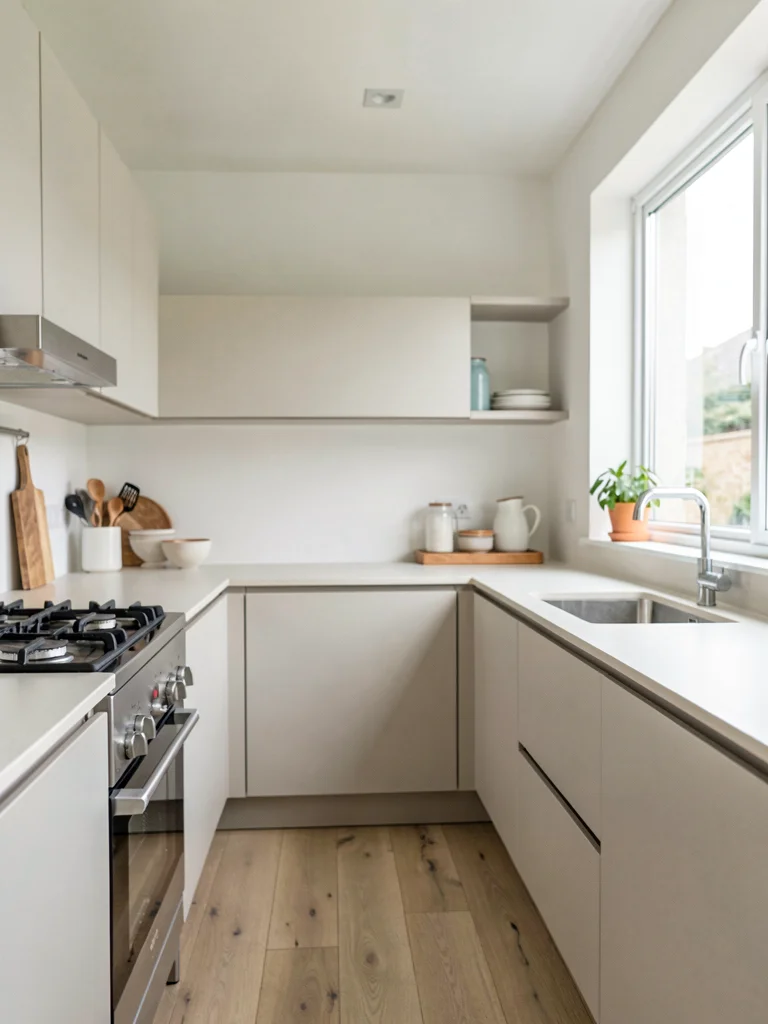
The U-shaped kitchen layout optimizes workflow and storage by utilizing three adjacent walls, forming a natural work triangle. This configuration is particularly effective for households with multiple cooks, as it minimizes movement between the sink, refrigerator, and stove Kitchen & Bath Design News. Its expansive countertop area also provides ample space for food preparation and small appliances.
This layout often incorporates a peninsula or an island extending from one of the walls, enhancing its functionality. Such additions can serve as a breakfast bar, an extra prep surface, or a visual divider in an open kitchen design with living room. The U-shape inherently offers significant cabinet and drawer storage, addressing common organizational needs.
While highly efficient, a U-shaped kitchen requires a minimum width to ensure comfortable movement and prevent a cramped feeling. Designers typically recommend at least 10 feet between opposing countertops for optimal accessibility American Institute of Architects. This design is less suited for very narrow spaces, where it could restrict traffic flow.
L-shaped kitchen layout
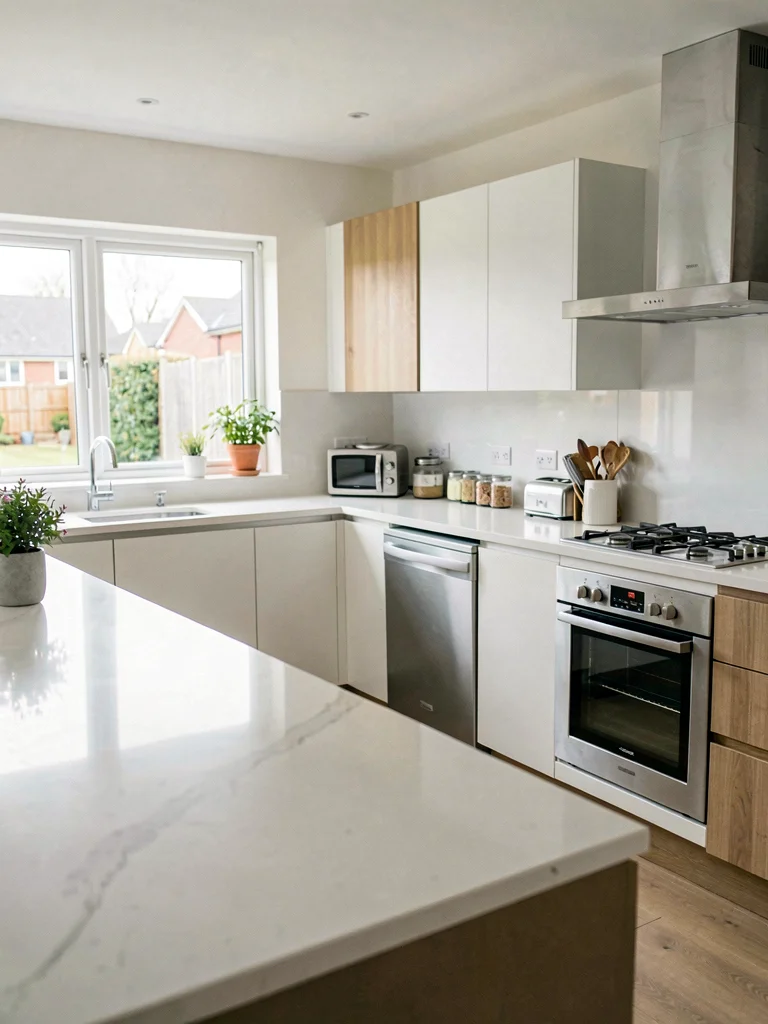
The L-shaped kitchen layout efficiently utilizes two adjacent walls, forming a natural corner that maximizes floor space. This configuration is highly adaptable, fitting well in both compact apartments and larger family homes. It naturally opens up the central area, making it an excellent choice for an open kitchen design for small house where integration with dining or living areas is desired.
This layout provides a continuous countertop surface and ample storage, facilitating a smooth workflow between key appliances. The open nature of an L-shape also allows for easy incorporation of a dining table or island, enhancing its functionality as a social hub. In practice, we often find that extending one arm of the ‘L’ with a peninsula can create a subtle division in an open kitchen design with living room without sacrificing the open feel.
The L-shape is particularly effective for creating an efficient work triangle while maintaining an uncluttered aesthetic. Its inherent flexibility supports various design styles, from a sleek modern open kitchen design to a more traditional aesthetic. This layout is also conducive to natural light flow, contributing to a brighter and more inviting atmosphere Architectural Digest.
Galley kitchen layout
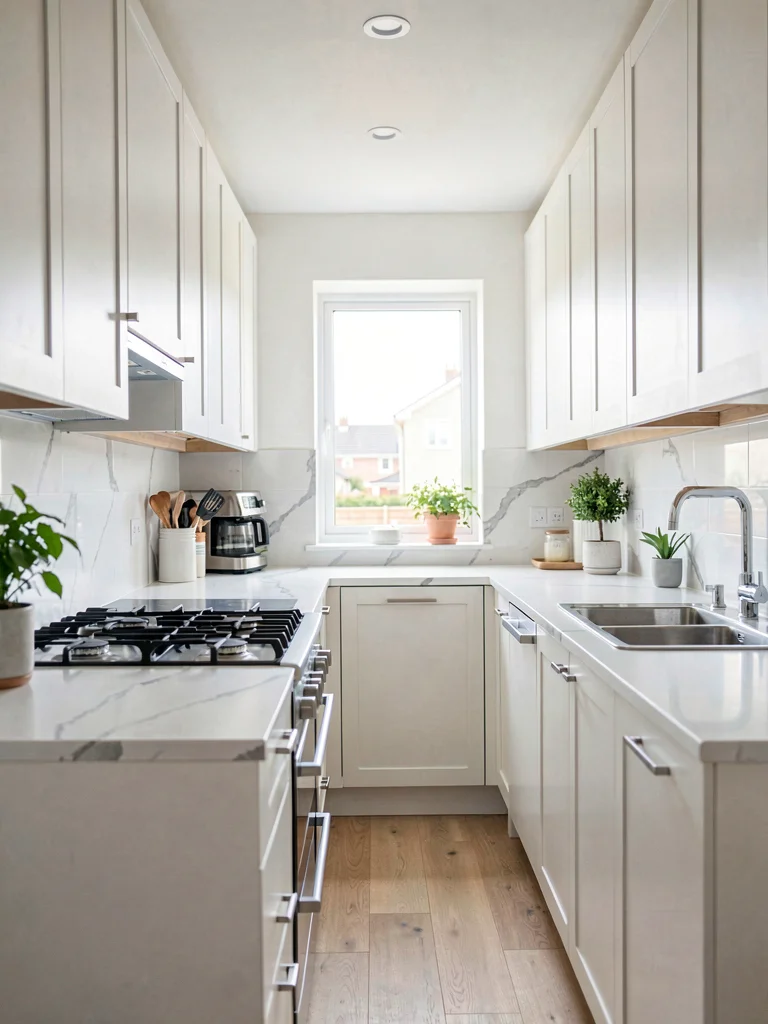
The galley kitchen layout, characterized by two parallel walls or countertops, offers exceptional efficiency in a compact footprint. This design minimizes walking distances between the primary work zones, making it ideal for a modern open kitchen design where space optimization is crucial. Its linear configuration naturally promotes a streamlined workflow, often preferred by professional chefs for its ergonomic advantages Culinary Institute of America.
This layout is particularly effective in an open kitchen design for small house applications, as it maximizes counter space and storage within a narrow corridor. The parallel arrangement allows for easy access to appliances and ingredients, enhancing cooking efficiency. While traditionally enclosed, modern interpretations often open one or both ends to integrate with adjacent living areas, creating an open kitchen design with living room feel.
Galley kitchens can be surprisingly versatile, accommodating various aesthetic preferences from minimalist to industrial. Incorporating reflective surfaces or light colors can visually expand the space, preventing a cramped sensation. This design also lends itself well to an open kitchen design simple aesthetic, emphasizing clean lines and uncluttered surfaces.
Open Kitchen Design Ideas for Small Houses
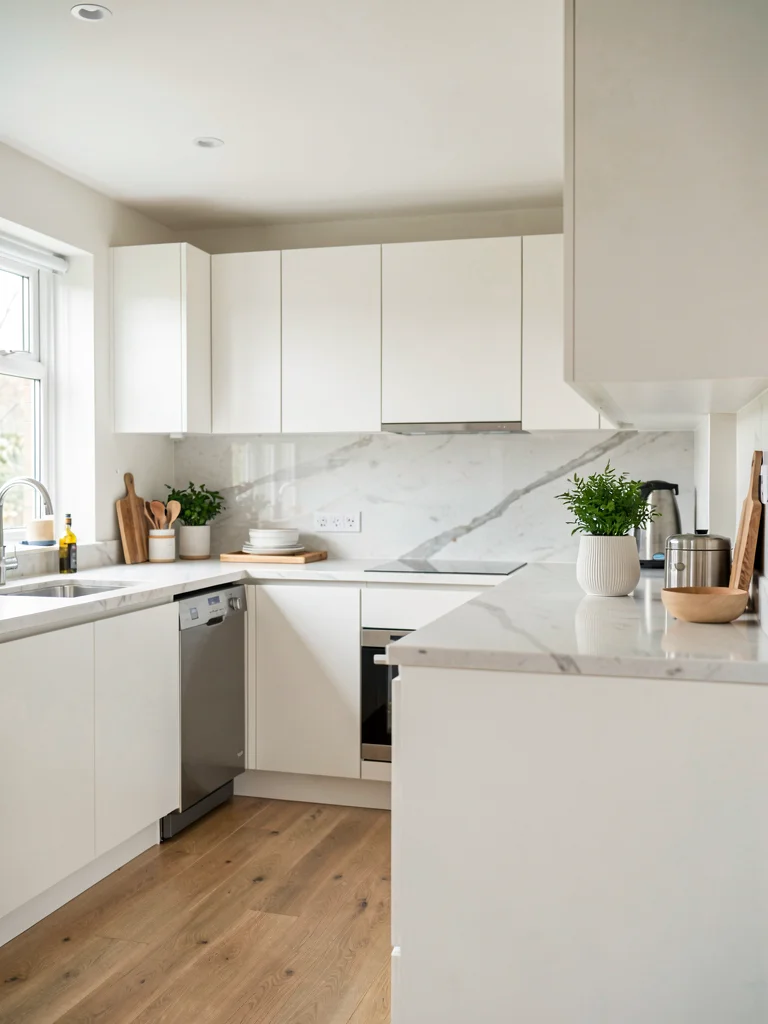
Maximizing functionality and visual spaciousness is paramount when implementing an open kitchen design in smaller homes. Strategic layout choices can transform compact areas into highly efficient and inviting spaces. For instance, a single-wall kitchen is inherently space-saving, consolidating all primary functions along one wall.
This layout is particularly effective for an open kitchen design for small house because it minimizes the footprint while maintaining an open flow into adjacent living areas.
Integrating multi-functional elements further enhances small open kitchens. A kitchen island, for example, can serve as a prep area, dining table, and additional storage, making it a central hub in an open kitchen design with living room. Opting for appliances that fit flush with cabinetry or are integrated can create a seamless, less cluttered appearance, contributing to a modern open kitchen design.
Thoughtful material selection also plays a crucial role in small open kitchens. Light-colored cabinetry and reflective surfaces, such as polished concrete or stainless steel, can visually expand the space. According to a study by the National Association of Realtors, homes with open-concept kitchens are perceived as larger and more desirable, often selling for 7.4% more than those with traditional layouts National Association of Realtors.
Consider these design elements for small open kitchens:
- Vertical storage solutions: Utilize tall pantry cabinets or open shelving to draw the eye upward and maximize storage without consuming floor space.
- Compact, integrated appliances: Choose slimline dishwashers, under-counter refrigerators, or combination microwave-ovens to save valuable counter and floor space.
- Fold-down or pull-out tables: Incorporate tables that can be stowed away when not in use, providing flexible dining or workspace without permanent obstruction.
Frequently Asked Questions
An open kitchen design can significantly enhance home value, with properties featuring this layout often commanding higher prices. Real estate analyses indicate that homes with open-concept kitchens are perceived as more modern and spacious, appealing to a broader range of buyers Zillow Research. This increased desirability translates into a competitive advantage in the housing market.
Integrating an open kitchen design with a living room requires careful consideration of material and color palettes to ensure visual cohesion. Selecting complementary flooring, cabinetry, and wall colors creates a unified aesthetic that blurs the lines between functional zones. Designers frequently recommend a consistent style across both areas to achieve a harmonious flow Architectural Digest.
For an open kitchen design in a small house, strategic lighting can dramatically improve both functionality and perceived space. Layered lighting, combining ambient, task, and accent fixtures, illuminates work areas effectively while making the overall space feel larger and more inviting. Under-cabinet lighting and pendant lights over an island are particularly effective in these layouts.
Conclusion
An open kitchen design fundamentally transforms a home’s functionality and aesthetic, fostering a more connected and versatile living environment. Begin by assessing your current space and lifestyle needs to determine the most impactful design modifications. Embracing this integrated approach to home design cultivates spaces that adapt seamlessly to modern living.