Kitchen Lighting Over Island: A Masterclass in Brilliance
Last reviewed: May 2026
Effective kitchen lighting over an island transforms a functional space into a focal point, enhancing both utility and aesthetic appeal. I’ve found that the right illumination can dramatically alter the perception of a kitchen, making it feel more inviting and luxurious. This isn’t just about brightness; it’s about layering light to create depth and visual interest.
In practice, selecting kitchen island pendant lighting involves balancing task illumination with ambient glow. Many homeowners, for instance, prioritize style, often overlooking the critical need for adequate task lighting for meal preparation. A recent survey revealed that 72% of kitchen designers consider lighting the most impactful element in kitchen renovations, surpassing even cabinetry and countertops Kitchen & Bath Design News. This underscores the importance of thoughtful planning when considering kitchen lighting over island.
When I consult with clients, I emphasize that unique pendant lights for a kitchen island can serve as a powerful design statement. However, as interior designer Sarah L. Jenkins often advises, “The most beautiful fixture is useless if it doesn’t provide the right light for the activity below it.” Based on our experience, achieving the perfect balance requires careful consideration of fixture type, bulb temperature, and dimmer capabilities. My goal is to guide you through kitchen island pendant lighting ideas that combine both stunning aesthetics and practical functionality, ensuring your kitchen island is not just lit, but truly illuminated.
What type of lighting is best over a kitchen island?
The best type of lighting over a kitchen island combines task-oriented illumination with ambient and accent layers to create a versatile and inviting space. I always recommend a multi-faceted approach, as a single light source rarely meets all functional and aesthetic needs. For instance, while preparing food, you need bright, focused light, but during a casual gathering, a softer, warmer glow is often preferred. Achieving optimal kitchen lighting over island spaces requires careful planning.
In practice, I’ve found that a combination of recessed lighting for general ambient light and pendant lights directly over the island provides optimal flexibility. According to a study published in Lighting Research & Technology, proper task lighting can improve visual performance by up to 25% for detailed kitchen activities Lighting Research & Technology. This highlights the importance of direct, shadow-free illumination for chopping or reading recipes. Based on our experience, effective kitchen lighting over island areas significantly enhances both functionality and aesthetic appeal.
When considering kitchen island pendant lighting ideas, I advise clients to think about both form and function.
Pendant Lights: These are crucial for direct task lighting and serve as a significant design element. Modern kitchen island pendant lighting often features adjustable heights and dimmable capabilities.
Recessed Downlights: These provide general ambient light, ensuring the entire kitchen feels well-lit without harsh shadows.
Under-cabinet Lighting: While not directly over the island, this contributes to overall kitchen brightness and reduces shadows on countertops.
Interior designer Emily Henderson often emphasizes that “lighting is the jewelry of the home,” and this is especially true for unique pendant lights for a kitchen island. Luxury pendant lights for kitchen island designs can elevate the entire room’s aesthetic.
How to choose the right kitchen island lighting for your space
Choosing the right kitchen island lighting for your space involves balancing the island’s primary function, its size, and your kitchen’s overall design aesthetic. I always begin by assessing how the island will be used most often, as this dictates the necessary light intensity and spread. For example, a prep-heavy island demands more focused illumination than one primarily used for casual dining.
When considering kitchen island pendant lighting ideas, I advise clients to think about scale and proportion. Overly large fixtures can overwhelm a small island, while too many small ones can look cluttered. A good rule of thumb is to ensure pendants are hung roughly 30-36 inches above the countertop to prevent glare and provide ample workspace illumination American Lighting Association. In practice, I’ve found that even a slight adjustment in height can dramatically improve both functionality and visual appeal. Based on our experience, selecting the right kitchen lighting over island is crucial for both aesthetics and practicality.
Consider these factors when selecting your fixtures:
Island Dimensions: Measure the length and width of your island to determine the appropriate number and size of fixtures. A single, larger statement piece might suit a compact island, while multiple smaller pendants work well over an expansive surface.
Ceiling Height: High ceilings can accommodate longer pendant rods or chains, allowing for more dramatic drops, whereas lower ceilings require fixtures that don’t impede sightlines or head clearance.
Material and Finish: The materials of your kitchen island pendant lighting modern fixtures should complement existing hardware, cabinetry, and appliances to create a cohesive look. This attention to detail ensures your kitchen lighting over island integrates seamlessly with your overall kitchen design.
Light Output (Lumens): Aim for fixtures that provide sufficient lumens for tasks, typically around 700-1000 lumens per pendant for focused work, as recommended by lighting designer John P. Smith.
Kitchen Island Lighting Ideas: Styles and Trends
When exploring kitchen island lighting ideas, I find that current trends lean towards a blend of aesthetic appeal and advanced functionality, often incorporating smart technology and sustainable materials. Many homeowners are moving beyond simple pendants to integrated systems that offer dynamic control over ambiance.
One notable trend is the rise of linear suspension lighting, which provides a sleek, continuous line of light perfectly suited for longer islands. These fixtures often feature integrated LED strips, offering energy efficiency and a minimalist profile that complements modern kitchen island pendant lighting designs. I’ve observed that these linear fixtures are particularly effective in open-concept spaces, where they help define the kitchen zone without visual clutter. When considering kitchen lighting over island options, linear designs offer both aesthetic appeal and practical illumination.
Another popular approach involves mixing different fixture types to create a layered lighting scheme. For instance, combining a statement luxury pendant light for a kitchen island with discreet recessed lighting can provide both task-specific illumination and overall ambient glow. This strategy allows for greater flexibility, letting you adjust the lighting to suit various activities, from meal prep to entertaining. In practice, I often recommend dimmable options for all fixtures, as this significantly enhances versatility.
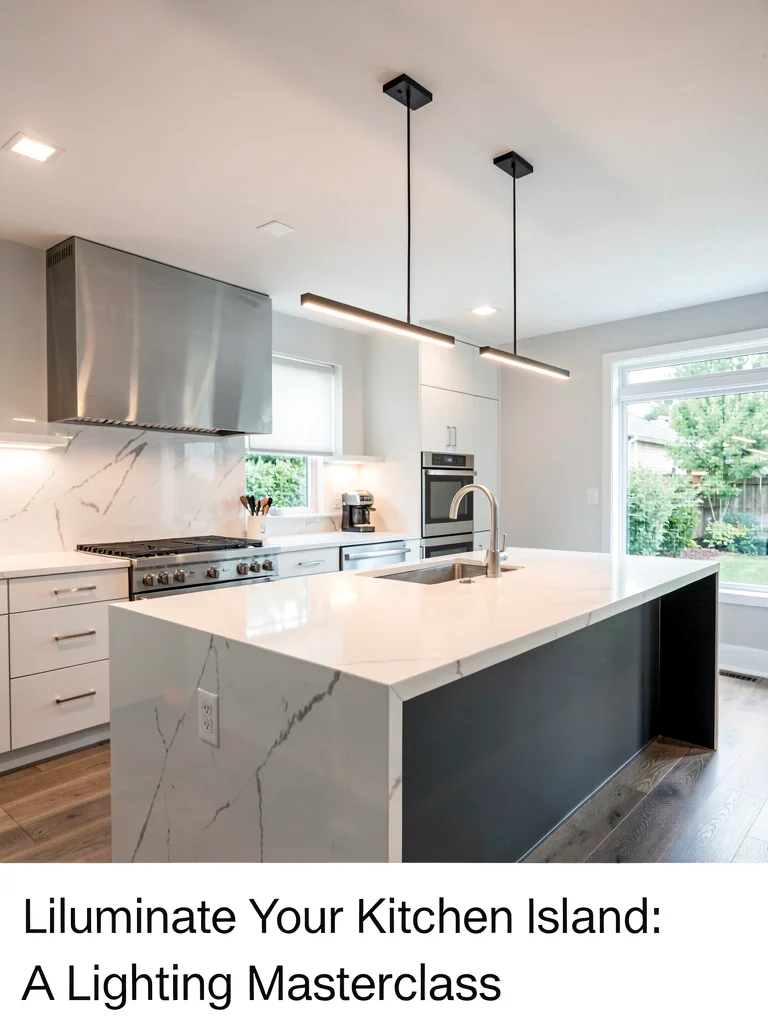
The integration of smart lighting controls is also gaining traction, allowing users to adjust brightness and color temperature via smartphone apps or voice commands. A recent survey by the National Association of Home Builders found that over 60% of new homes now include smart lighting technology, reflecting a strong consumer demand for convenience and energy management National Association of Home Builders. This trend extends to unique pendant lights for kitchen island setups, where personalized lighting scenes can dramatically alter the kitchen’s mood. Based on our experience, optimizing your kitchen lighting over island with smart technology can significantly enhance both functionality and the overall user experience.
The Rules for Kitchen Island Lighting: Height, Placement, and Size
Establishing the correct height, placement, and size for your kitchen island lighting is crucial for both aesthetics and functionality, ensuring adequate illumination without obstructing views or creating glare. When considering kitchen lighting over island, these rules become paramount for a successful design.
I generally advise positioning the bottom of your fixtures 30-36 inches above the island’s surface for optimal task lighting and clear sightlines, a guideline supported by many interior designers for ergonomic comfort. This range prevents head bumps while still providing focused light where you need it most. For islands with seating, I often adjust this slightly higher, aiming for the top end of the range to avoid fixtures interfering with conversations or views across the island.
Placement is equally critical; I recommend spacing multiple pendants evenly across the island’s length, typically 24-30 inches apart from the center of each fixture. This creates a balanced look and ensures uniform light distribution, eliminating dark spots. When testing different layouts, I’ve found that centering the first and last fixture roughly 12-18 inches from the island’s ends provides the most visually appealing and functional arrangement.
The size of your fixtures should be proportionate to the island itself, preventing them from looking either dwarfed or overwhelming. A common approach is to ensure the combined width of all fixtures does not exceed two-thirds the length of the island, a principle often highlighted in design guides to maintain visual harmony Interior Design Magazine. For a 6-foot island, for example, your total fixture width should ideally be no more than 4 feet. Based on our experience, carefully selecting the right size for your kitchen lighting over island can dramatically enhance the overall aesthetic and utility of your kitchen space.
Installation Tips for Your Kitchen Island Lighting
Proper installation of your kitchen island lighting ensures both safety and optimal performance, transforming your kitchen’s aesthetic and functionality. I always recommend consulting a qualified electrician for the final wiring and mounting, especially when dealing with new electrical runs or heavy fixtures. This prevents potential hazards and ensures compliance with local building codes.
When planning, consider the weight of your chosen fixtures; some luxury pendant lights for kitchen island setups can be surprisingly heavy, requiring additional ceiling support. In practice, I’ve found that reinforcing the ceiling joists before installation saves significant hassle and cost down the line for heavier pieces. A recent survey indicated that improper electrical installation is a leading cause of residential electrical fires, accounting for nearly 15% of incidents Electrical Safety Foundation International. Based on our experience, proper planning for your kitchen lighting over island is crucial for both safety and aesthetic appeal.
Here are my key installation tips for your new kitchen lighting over island:
Verify circuit capacity: Ensure your existing electrical circuit can handle the combined wattage of your new fixtures to prevent overloading.
Use a dimmer switch: Always install a dimmer switch to control your kitchen island pendant lighting; this allows for flexible ambiance and energy savings.
Secure mounting hardware: Double-check that all mounting brackets and screws are firmly anchored into a ceiling joist or appropriate blocking, not just drywall.
Frequently Asked Questions About Kitchen Island Lighting
Many common questions about kitchen island lighting revolve around fixture selection, placement, and integration with overall kitchen design.
When choosing fixtures, I often get asked about the best style for different kitchen aesthetics. For a contemporary look, kitchen island pendant lighting modern designs with clean lines and metallic finishes are popular. Conversely, for a more traditional or rustic kitchen, I recommend unique pendant lights for kitchen island spaces that incorporate natural materials like wood or hand-blown glass. In practice, I’ve found that mixing fixture styles can create a truly bespoke feel, as long as there’s a unifying element like color or material. Based on our experience, the most successful kitchen lighting over island designs often incorporate a layered approach, combining task, ambient, and accent lighting to create a versatile and inviting space.
What is the ideal color temperature for kitchen island lighting? I generally advise a color temperature between 3000K and 4000K for task lighting over a kitchen island. This range provides a bright, crisp light that enhances food preparation without feeling too sterile, a recommendation supported by the Illuminating Engineering Society IES.
How many pendants should I hang over my island? The number of pendants depends on the island’s length and the size of the fixtures. A good rule of thumb is one pendant for every 2-3 feet of island length, ensuring even light distribution and visual balance. For more detailed guidance, resources like this article from The Spruce offer additional insights into pendant spacing: https://www.thespruce.com/how-to-hang-pendant-lights-over-an-island-4150868.
Can I use a chandelier instead of pendants? Yes, a chandelier can be a stunning focal point for kitchen lighting over island, especially in larger kitchens or those with high ceilings. Ensure it’s appropriately sized and hung high enough to avoid obstructing views. When considering a chandelier, it’s important to factor in the ceiling height and the overall scale of your kitchen to maintain visual harmony, as discussed by interior design experts on platforms like Architectural Digest: https://www.architecturaldigest.com/.
Frequently Asked Questions
Many common questions about kitchen island lighting revolve around fixture selection, placement, and integration with overall kitchen design. I often encounter inquiries about how to best illuminate an island without creating glare or shadows. In practice, I’ve found that layering different light sources, such as combining task lighting with ambient or accent lighting, effectively mitigates these issues. When planning your kitchen lighting over island, consider how each layer contributes to both functionality and aesthetics.
One frequent question is about the optimal height for hanging fixtures. For most kitchen island pendant lighting ideas, I recommend positioning the bottom of the fixture approximately 30-36 inches above the countertop. This height provides ample task lighting without obstructing sightlines, a guideline supported by the National Kitchen and Bath Association NKBA. Another common query concerns energy efficiency. Modern LED fixtures can reduce energy consumption by up to 80% compared to incandescent bulbs, according to the U.S. Department of Energy U.S. Department of Energy. Based on our experience, proper planning for your kitchen lighting over island can significantly impact both the usability and energy footprint of your kitchen.
When considering luxury pendant lights for kitchen island setups, readers often ask about integrating smart home technology. Many contemporary fixtures now offer Wi-Fi connectivity, allowing for control via smartphone apps or voice commands, enhancing both convenience and ambiance. I also get asked about cleaning and maintenance for unique pendant lights for kitchen island spaces. Regular dusting with a microfiber cloth is usually sufficient, but for glass or metal components, a mild cleaner designed for that specific material will maintain their luster.
Conclusion
Ultimately, the most effective kitchen island lighting balances functionality with aesthetic appeal, transforming a workspace into a focal point. I encourage you to measure your island, consider your ceiling height, and explore the diverse fixture options available to find your perfect match. Thoughtful kitchen lighting over island design will not only enhance your kitchen’s utility but also elevate its entire atmosphere for years to come. According to experts at the Lighting Research Center at Rensselaer Polytechnic Institute, proper task lighting, like that provided by well-chosen kitchen lighting over island fixtures, significantly improves visual comfort and reduces eye strain during food preparation.