Last reviewed: May 2026
According to Brown hair, readers should verify source-specific details before applying the guidance to their own situation.
This article also covers related details such as brown hair color with highlights, brown hair color chart, brown hair color men, brown hair color natural, brown hair color chart numbers, brown hair color black girl, brunette hair color, brown hair dye.
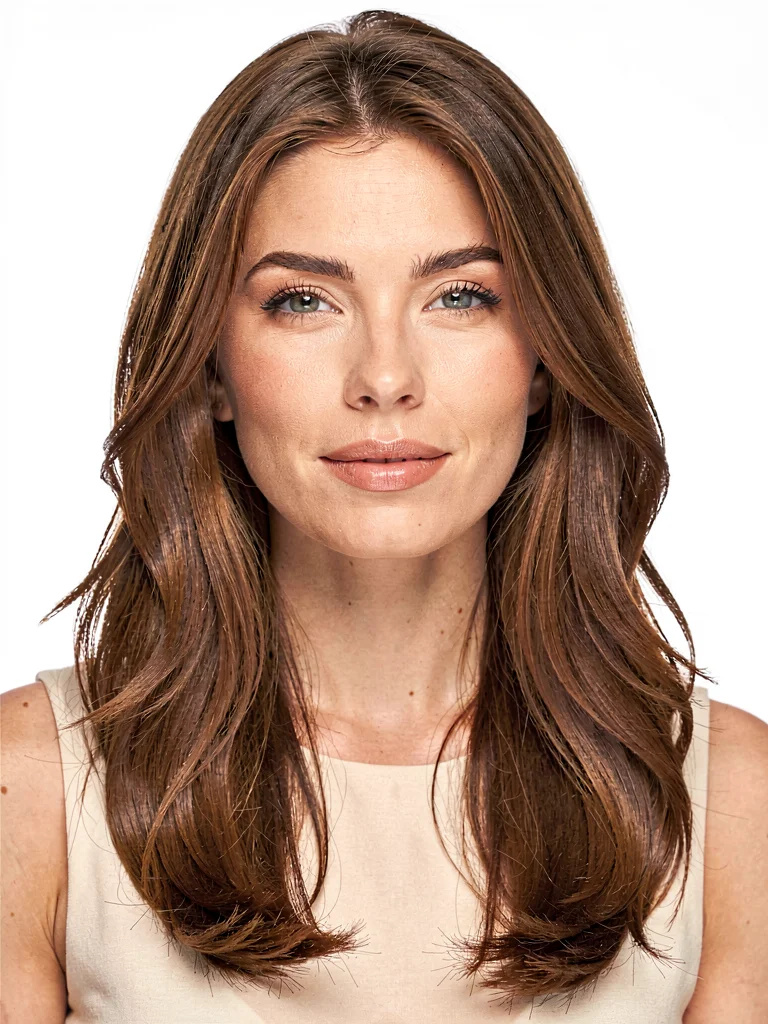
Brown hair color encompasses a vast spectrum of shades, ranging from light, sun-kissed tones to deep, rich espresso, offering versatility for diverse preferences and complexions.
This guide explores the nuances of brown hair, detailing various shades, maintenance practices, and considerations for different hair types. Readers will discover how to select the ideal brown shade, whether seeking a subtle change with light brown hair color or a dramatic transformation with dark brown hair color.
The article also addresses specific concerns, such as the impact of menopause on hair dye absorption and suitable options for individuals undergoing chemotherapy.
Understanding this topic: Shades and Varieties
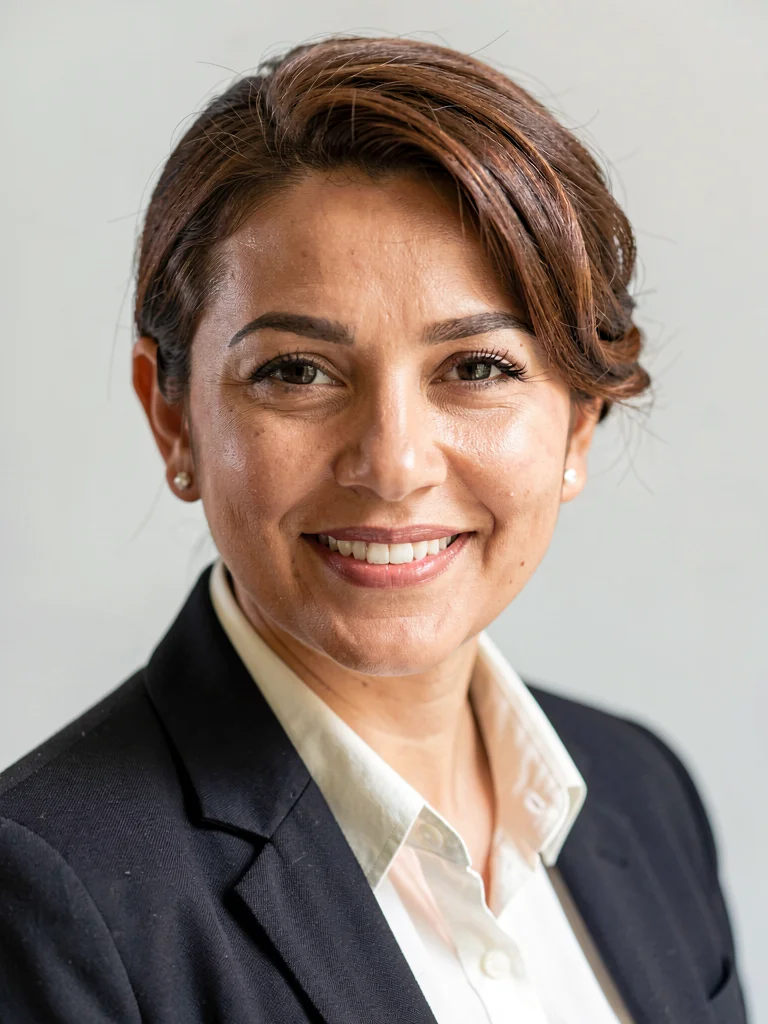
this topic encompasses a wide spectrum of hues, ranging from subtle, sun-kissed tones to deep, rich shades. This diversity allows for personalized choices that complement various complexions and personal styles.
Light this topic often features golden, caramel, or ash undertones, providing a softer appearance. Dark this topic includes espresso, chocolate, and mahogany, offering a more dramatic and intense look.
Such deeper tones can enhance shine and provide a sophisticated aesthetic.
The variety of brown shades extends to specialized applications, such as this topic with highlights, which adds depth and movement. Highlights can be strategically placed to frame the face or create an all-over luminous effect. A comprehensive this topic chart typically categorizes shades by their lightness, darkness, and underlying tones, such as warm, cool, or neutral.
Understanding these distinctions helps in selecting a shade that harmonizes with an individual’s skin tone and eye color. For instance, cool brown shades with ash or violet undertones often suit individuals with cool skin tones. Conversely, warm brown shades, featuring red or gold undertones, tend to complement warmer complexions.
Popular this topic variations include:
- Ash Brown: A cool-toned brown with gray or smoky undertones, ideal for neutralizing unwanted warmth.
- Caramel Brown: A warm, golden-brown shade that adds richness and luminosity.
- Chocolate Brown: A versatile, medium-to-dark brown with warm, reddish undertones.
- Espresso Brown: A very dark, almost black brown, offering a bold and intense look.
- Mahogany Brown: A deep, reddish-brown shade that provides a vibrant, sophisticated finish.
Finding Your Perfect Brown: A Comprehensive Color Chart
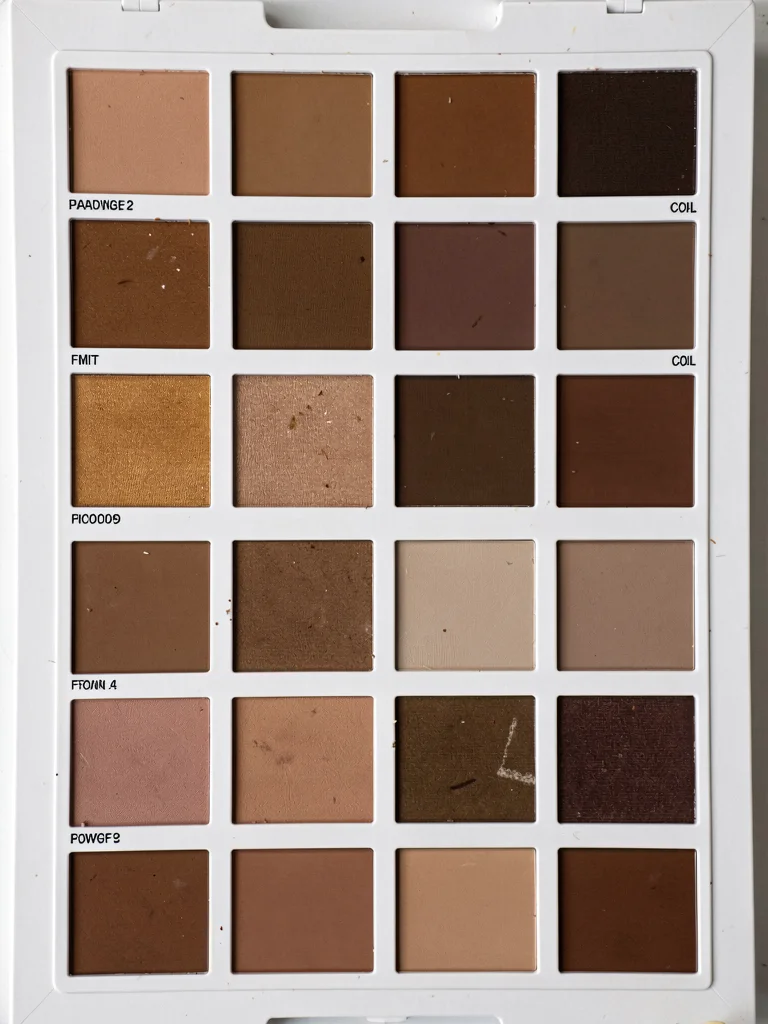
Selecting the optimal this topic involves understanding the interplay between natural hair pigments, desired undertones, and maintenance considerations. A comprehensive this topic chart categorizes shades beyond basic light and dark distinctions, incorporating nuances like warmth, coolness, and depth. These classifications assist individuals in choosing a shade that complements their skin tone and personal aesthetic Garnier USA.
this topic with highlights can add dimension and movement, creating a multi-tonal effect. Techniques such as balayage or foiling introduce lighter strands, which can range from subtle honey tones to brighter, face-framing accents. This approach allows for a customized look that enhances natural brown hair without a full color change L’Oréal Paris USA.
For individuals seeking a more natural appearance, this topic options often mimic the subtle variations found in uncolored hair. These shades typically feature a blend of pigments to avoid a monochromatic finish, providing depth and realism. Many professional color lines offer “natural series” browns designed to cover gray hair effectively while maintaining a believable hue.
| Shade Category | Key Characteristics | Ideal For | Maintenance Frequency |
|---|---|---|---|
| Golden Brown | Warm, luminous, with yellow or gold undertones | Warm skin tones, adding brightness | Every 6-8 weeks |
| Cool Brown | Ashy, muted, with blue or green undertones | Cool skin tones, neutralizing redness | Every 4-6 weeks |
| Medium Brown | Balanced, neutral, neither overtly warm nor cool | Versatile, suits most complexions | Every 5-7 weeks |
The global prevalence of brown hair is approximately 11% of the world’s population, making it the second most common hair color after black Wikipedia. This widespread occurrence underscores the versatility and enduring appeal of brown shades across diverse demographics. Understanding these variations helps in selecting a this topic that aligns with individual preferences and natural characteristics.
Caring for Your Brown Hair: Tips for Longevity and Luster
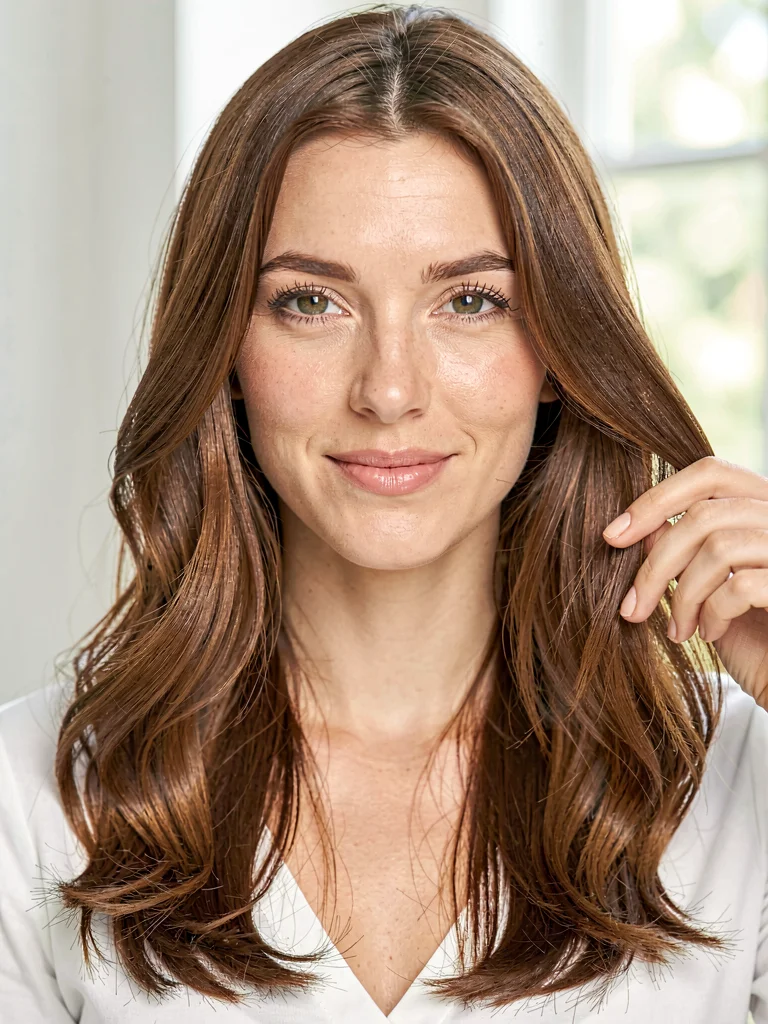
Maintaining the vibrancy and health of brown hair requires a targeted care regimen focused on color preservation and moisture. Regular use of sulfate-free products helps prevent premature fading, while deep conditioning treatments restore essential hydration.
Exposure to ultraviolet (UV) radiation can degrade hair dye molecules, leading to dullness and color shift. Applying leave-in products with UV filters or wearing hats outdoors provides a protective barrier against sun damage. Chlorine, found in swimming pools, also strips hair color and can impart an undesirable greenish tint to brown shades.
Rinsing hair with clean water before swimming and using a swim cap minimizes chemical absorption.
Proper washing techniques are crucial for extending the life of this topic. Washing hair with lukewarm or cool water, rather than hot, helps seal the cuticle, trapping color pigments inside the hair shaft. Limiting shampooing frequency to two or three times per week can also reduce color washout.
Consider these practices for optimal brown hair care:
- Utilize color-safe shampoos and conditioners: These formulations are designed to be gentle, preserving pigment and preventing stripping.
- Incorporate weekly hair masks: Deep conditioning treatments replenish moisture and nutrients, enhancing shine and softness.
- Minimize heat styling: Excessive heat from tools like flat irons and curling wands can fade color and cause damage.
- Schedule regular trims: Trimming split ends every 6-8 weeks maintains hair health and prevents breakage, contributing to a polished appearance.
For individuals with color-treated brown hair, professional glossing treatments can refresh tone and add significant shine between salon visits. These treatments typically deposit a sheer layer of color and a high-gloss finish, enhancing the richness of brown hues Jean Louis David. Selecting products specifically formulated for color-treated hair ensures that ingredients support color retention rather than accelerating fading.
this topic for Men: Trends and Application Tips

Men’s this topic trends often favor natural-looking, low-maintenance shades that enhance existing features without appearing artificial. Many men opt for subtle enhancements, such as blending grays or adding dimension, rather than dramatic color changes. This approach prioritizes a refined appearance that complements individual style.
Popular choices include cool-toned browns like mushroom brown, which offers a muted, earthy aesthetic, and warm shades such as golden brown, providing a sun-kissed effect Men’s Health. Darker, richer browns, like deep chocolate, also remain a classic option for their sophisticated depth. The selection often depends on natural hair color, skin tone, and desired level of contrast.
Application for men typically focuses on achieving an even, natural result, especially when covering gray hair. For at-home coloring, precise application is crucial to avoid staining the scalp or hairline. Using a brush applicator can help distribute the dye uniformly, particularly for shorter hair lengths.
Consider these application tips for men’s this topicing:
- Perform a patch test: Always conduct an allergy patch test 48 hours before full application to prevent adverse reactions.
- Select a shade close to natural color: Choosing a dye within one or two shades of the natural hair color yields the most authentic results.
- Apply to dry, unwashed hair: Hair that has not been washed for 24-48 hours retains natural oils, which can protect the scalp during coloring.
- Follow timing instructions precisely: Leaving dye on for the recommended duration prevents over-processing or insufficient color development.
- Rinse thoroughly: Ensure all dye is rinsed from the hair and scalp until the water runs clear to prevent residue buildup.
For men seeking to add subtle depth or cover minimal grays, semi-permanent dyes offer a less committal option that fades gradually over several weeks GQ Magazine. These formulations typically do not contain ammonia, making them gentler on the hair and scalp. Professional salon services can also provide tailored results, including highlights or lowlights, for a multi-dimensional brown.
The Best Hair Dye for Chemo Patients: Gentle Options and Considerations
The selection of hair dye for individuals undergoing chemotherapy requires careful consideration due to increased scalp sensitivity and potential hair fragility. Opting for gentle, ammonia-free formulations is paramount to minimize irritation and damage. Many healthcare professionals advise against chemical treatments during active chemotherapy and for a period afterward, typically until hair regrowth is established and scalp health has normalized American Cancer Society.
When considering hair coloring post-chemotherapy, temporary or semi-permanent dyes are often recommended over permanent options. These dyes deposit color on the hair’s surface rather than penetrating the cuticle, reducing exposure to harsh chemicals. Products containing natural ingredients, such as vegetable dyes or henna, may also be suitable, provided they are pure and free from metallic salts or other additives that could react adversely with fragile hair.
- Consult a medical professional: Always seek advice from an oncologist or dermatologist before applying any hair dye.
- Perform a strand test: Apply the dye to a small, inconspicuous section of hair to assess color outcome and potential reactions.
- Choose a shade close to natural hair color: This minimizes the need for frequent touch-ups and reduces chemical exposure.
- Prioritize hydration: Use deep conditioning treatments regularly to maintain hair moisture and elasticity.
The scalp can remain sensitive for several months after chemotherapy, with some individuals experiencing dryness or flakiness. Using a dye with a pH level between 4.5 and 5.5 can help maintain the scalp’s natural acid mantle, promoting comfort and reducing irritation National Cancer Institute. This pH range is considered optimal for hair and scalp health.
Menopause and Hair Dye: What You Need to Know
Menopause introduces significant hormonal shifts that can impact hair texture, growth cycles, and the efficacy of hair dye. Estrogen fluctuations, particularly the decline during perimenopause and menopause, can lead to hair thinning, increased dryness, and changes in porosity American Academy of Dermatology Association. These physiological changes necessitate adjustments in hair coloring practices to maintain hair health and achieve desired results.
Hair may become more fragile and prone to breakage during menopause, making it crucial to select gentler dye formulations. Ammonia-free and low-peroxide options are often recommended to minimize damage to the hair shaft and scalp Hair Loss Council. The scalp can also become drier and more sensitive, increasing the likelihood of irritation or allergic reactions to harsh chemicals.
- Opt for demi-permanent dyes: These dyes offer less commitment and are gentler than permanent options, gradually fading over several weeks.
- Prioritize conditioning treatments: Regular use of deep conditioners and hair masks can combat dryness and improve hair elasticity.
- Consider professional coloring: A salon professional can assess hair condition and customize dye formulations to address menopausal changes.
- Perform a strand test every time: Hair porosity can change, affecting how color is absorbed, so testing a small section is vital.
Some individuals may experience a change in natural hair color or an increase in gray hairs during menopause, influencing the choice of this topic with highlights or a darker shade. Hair that was previously receptive to certain dyes might react differently, requiring a re-evaluation of product choices and application techniques. Consulting with a trichologist or a hair care professional specializing in menopausal hair can provide tailored advice and solutions International Association of Trichologists.
Conclusion
Achieving the ideal this topic involves a nuanced understanding of individual hair characteristics, skin tone, and the specific properties of various dye formulations. The interaction between hair health, hormonal changes, and chemical processes dictates the success and longevity of any chosen shade.
To ensure optimal results and minimize potential damage, individuals should consult with a professional colorist before undertaking significant color changes. A specialist can assess hair porosity, scalp sensitivity, and recommend suitable products, especially for those with unique considerations like post-chemotherapy hair or menopausal hair changes.
The evolution of hair color science continues to offer innovative solutions, promising more personalized and less damaging options for maintaining vibrant, healthy brown hair into the future.
Which this topic is best?
The “best” this topic depends on individual skin tone, eye color, and personal preference. Warm brown shades like caramel or honey brown often complement warmer skin undertones, while cool browns such as ash or mushroom brown typically suit cooler complexions. Consulting with a professional colorist can help determine the most flattering shade.
What is the best hair dye for chemo patients?
Chemotherapy can significantly alter hair texture, density, and scalp sensitivity, making gentle, temporary hair color options preferable. Semi-permanent or demi-permanent dyes, which do not contain ammonia or harsh peroxides, are generally recommended as they deposit color without deeply penetrating the hair shaft. Patch testing is crucial to ensure no adverse reactions occur on a sensitive scalp.
What are the most popular this topics?
Popular this topics encompass a wide spectrum, ranging from rich, deep tones to lighter, multi-dimensional shades. Currently favored options include expensive brunette, a luxurious, multi-tonal brown with subtle highlights; mocha melt, blending warm and cool brown tones for a soft, blended effect; and cool ash brown, characterized by its muted, smoky undertones. Mushroom brown, a cool, earthy tone, and caramel balayage, featuring warm, sun-kissed highlights on a brown base, also remain highly po
Can menopause affect hair dye?
Menopause can significantly impact hair’s porosity, texture, and overall condition, which in turn affects how hair dye is absorbed and retained. Hormonal fluctuations can lead to increased hair dryness, brittleness, and a change in natural hair color or an increase in gray hairs, potentially causing dye to appear differently or fade more quickly International Association of Trichologists. Hair that previously responded well to certain dyes may react unpredictably, necessitating a re-evaluation o