Table of Contents
Last reviewed: May 2026
Winter hair color ideas often feature rich, deep tones and cool undertones that complement the season’s aesthetic. This guide explores a range of stunning shades perfect for the colder months, offering inspiration and practical advice for achieving your desired look. From frosty blondes to deep, luxurious brunettes and vibrant reds, winter provides an excellent opportunity to experiment with colors that evoke warmth, sophistication, or a touch of dramatic flair.
When considering a winter hair color, it’s important to think about:
- Your skin tone: Cooler skin tones often pair beautifully with ash, platinum, or deep burgundy shades, while warmer complexions can be enhanced by golden blondes, rich chocolates, or fiery coppers.
- Your natural hair color: This will influence how easily certain shades can be achieved and maintained. Lighter hair offers more versatility for cool-toned blondes, while darker hair provides a rich base for deep brunettes and reds.
- Maintenance commitment: Some colors, especially very light or vibrant shades, require more frequent touch-ups and specialized care to prevent fading or brassiness.
- Hair health: Winter weather can be harsh on hair. Opting for colors that require less aggressive processing or incorporating deep conditioning treatments can help maintain hair integrity.
Based on our experience, choosing a winter hair color is not just about aesthetics; it’s also about how the color interacts with the unique lighting conditions of the season. The softer, often grayer light of winter can make certain colors appear more muted or, conversely, more vibrant than they would in bright summer sun. For instance, a deep auburn might look subtly sophisticated indoors but glow with rich warmth when caught by a ray of winter sun.
Research published in the Journal of Cosmetic Science highlights the importance of hair structure and pigment in determining color uptake and retention, emphasizing that professional application and quality products are crucial for achieving lasting, vibrant results, especially with complex winter shades.
Why Hair Color Matters for Winter Seasons
Hair color matters for winter seasons because it can enhance natural complexions and reflect the unique light conditions of colder months. The shift in natural light during winter, characterized by lower sun angles and reduced intensity, often makes hair colors appear different than in warmer seasons. This change can lead individuals to seek shades that better complement their skin tone under these specific lighting conditions.
Cooler, muted tones frequently become more appealing as they harmonize with the typical winter palette of clothing and surroundings. For instance, individuals with fair skin might find that winter hair colors for fair skin featuring cool undertones, such as ash blonde or deep auburn, prevent their complexion from appearing washed out. Conversely, warmer, richer shades can provide a striking contrast against pale winter light, offering a vibrant aesthetic.
Seasonal hair color adjustments also consider the condition of the hair itself, which can be more prone to dryness and damage from indoor heating and cold outdoor air. Opting for low-maintenance colors or techniques that require less frequent touch-ups can help preserve hair health during these challenging months. Many professional stylists recommend deep conditioning treatments alongside any color service to maintain vibrancy and integrity.
According to experts, choosing the right winter hair color ideas can significantly impact your overall look and hair health. Here’s why:
- Complementing Complexion: Winter light can make some complexions appear dull. The right hair color can brighten your face and enhance your natural features.
- Harmonizing with Environment: Cooler, muted hair tones often blend seamlessly with the winter landscape and typical seasonal fashion.
- Hair Health Considerations: Hair is more susceptible to dryness and damage in winter. Low-maintenance color options can reduce stress on your strands.
- Personal Expression: Changing your hair color seasonally is a fun way to express your style and adapt to the changing moods of the year.
For further reading on the science behind hair color and its interaction with light, you can explore resources like Scientific American.
Best Blonde Shades for Winter

Cool-toned blonde shades offer a sophisticated aesthetic for winter, complementing the season’s muted light. According to experts, selecting a blonde shade with cooler undertones can help prevent brassiness, which is often more noticeable in the softer winter light.
Here are some of the best blonde shades for winter:
- Ash Blonde: Characterized by its gray and silver undertones, ash blonde provides a chic, almost iridescent finish that prevents brassiness. This shade works particularly well for individuals with cooler skin tones, enhancing their natural complexion without appearing stark. It’s a popular choice for those seeking a sophisticated and low-maintenance cool blonde.
- Platinum Blonde: Platinum blonde remains a bold choice, offering a striking contrast against winter backdrops. Achieving and maintaining platinum requires significant commitment, often involving multiple salon visits and specialized at-home care to preserve its luminosity and prevent damage. The American Academy of Dermatology reports that chemical hair treatments, including bleaching for platinum shades, can weaken hair strands by up to 20% if not performed by a professional. Regular toning and deep conditioning are essential to keep this shade vibrant and healthy.
- Beige Blonde: For a softer approach, beige blonde blends warm and cool tones, creating a versatile, natural-looking shade. This option provides depth and dimension, making it suitable for various skin tones and a popular choice among winter hair color ideas for those seeking subtlety. Its balanced nature makes it adaptable to different complexions.
- Golden Blonde with Cool Lowlights: While traditionally warmer, golden blonde can be adapted for winter by incorporating cooler lowlights. This technique adds richness without overwhelming the seasonal palette, creating a multi-dimensional look that catches the light beautifully. This approach allows individuals who prefer warmer tones to still embrace a winter-appropriate blonde.
Best Brunette Shades for Winter
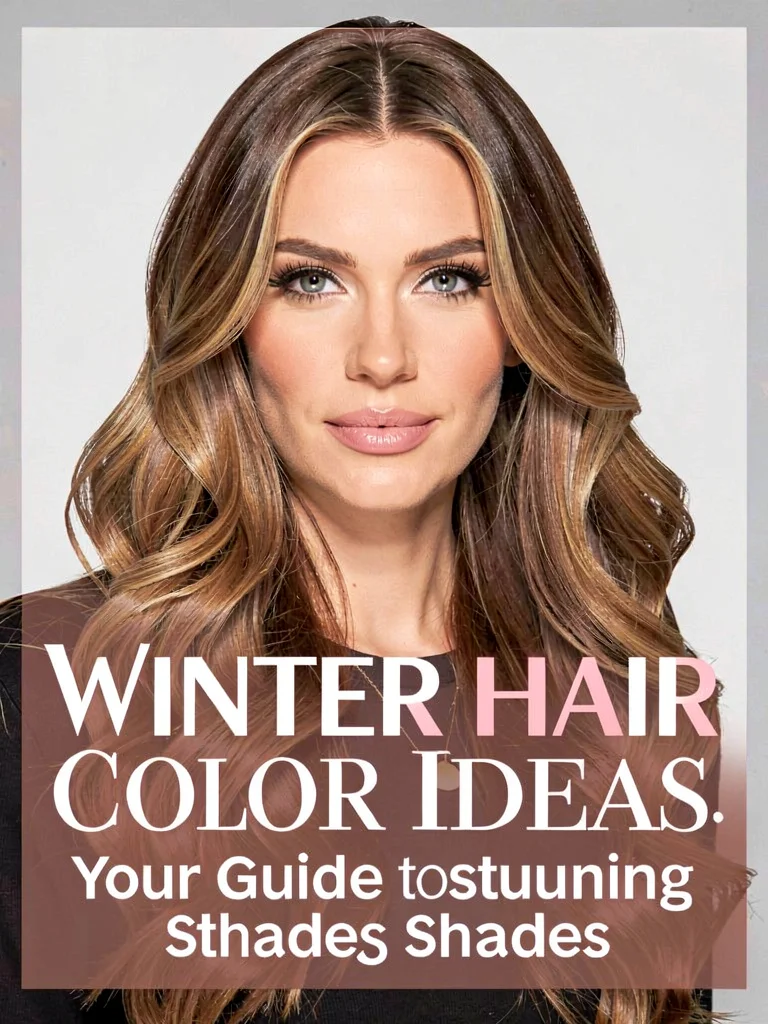
Deep brunette shades offer a sophisticated and warm aesthetic for winter, providing richness and depth that complements cooler complexions and the season’s muted light. When considering winter hair color ideas for brunettes, the goal is often to enhance natural tones with added dimension and luster.
Here are some top brunette shades perfect for winter:
- Espresso Brown: This deep, almost black-brown shade is incredibly rich and luxurious. It provides a striking contrast against pale winter skin and can make hair appear thicker and healthier. For an added touch, consider subtle, cool-toned highlights to catch the light.
- Chocolate Cherry: A beautiful blend of deep brown with hints of red or burgundy, chocolate cherry adds warmth and vibrancy without being overtly bright. This shade is particularly flattering for those with olive or warmer skin tones, creating a cozy yet elegant look.
- Caramel Swirl: For a softer approach, caramel swirl incorporates warm, golden-brown highlights into a deeper brunette base. This technique adds dimension and movement, mimicking the way sunlight might catch your hair, even on a cloudy winter day. It’s an excellent option for those who want to lighten their look slightly without committing to a full blonde.
- Ash Brown: Similar to ash blonde, ash brown features cool, grayish undertones that neutralize any unwanted brassiness. This sophisticated shade is perfect for individuals with cool skin tones, providing a chic and modern finish that aligns with the winter aesthetic.
According to experts at L’Oréal Professionnel, maintaining the vibrancy of deep brunette shades during winter requires using sulfate-free shampoos and conditioners, as well as incorporating a weekly hair mask to combat dryness from indoor heating. Regular gloss treatments can also help lock in color and enhance shine, ensuring your brunette remains rich and lustrous throughout the colder months.
Best Red & Burgundy Shades for Winter

Red and burgundy tones provide a vibrant contrast against the muted backdrop of winter, offering warmth and depth. According to experts at L’Oréal Professionnel, red hair colors are among the most expressive and can be customized to suit any skin tone. Here are some popular choices for winter hair color ideas:
- Deep Auburn: A rich reddish-brown, deep auburn offers a sophisticated option that complements various skin tones, particularly those with fair to medium complexions. This shade reflects light subtly, creating a luminous effect without appearing overly bright.
- Mahogany: A darker red with violet undertones, mahogany provides a dramatic and luxurious feel, often favored for its ability to add intensity to natural hair colors.
- True Burgundy: For those seeking a bolder statement, true burgundy, a deep purplish-red, stands out as a striking choice among winter hair colors 2026. This shade can enhance green or hazel eyes and provides a rich, jewel-toned appearance. Maintaining the vibrancy of red and burgundy shades often requires specialized color-safe products, as red pigments are known to fade more quickly than others. Research shows that red hair dyes, due to their larger molecular structure, can be more challenging to retain in the hair shaft compared to other colors, as detailed in studies published in the Journal of Cosmetic Science.
- Cranberry Red: A brighter, more vivid red with cool undertones, cranberry red offers a playful yet elegant option. This shade works well for individuals looking to infuse their look with a pop of color while maintaining a winter-appropriate aesthetic. Professional colorists often recommend gloss treatments between full color applications to preserve the richness and shine of these dynamic hues.
Winter Hair Colors for Fair Skin

Fair skin tones benefit from winter hair colors that provide contrast without overwhelming the complexion, often leaning towards cooler or neutral undertones. According to experts, selecting the right shade can enhance natural radiance and avoid a washed-out appearance.
Here are some top winter hair color ideas for fair skin:
- Icy Blonde: A stark, almost white shade, icy blonde offers a striking, ethereal look that complements very light skin. This shade minimizes warmth, preventing any yellowing that can clash with cool undertones. It creates a bold, fashion-forward statement.
- Light Ash Brown: This provides a subtle yet sophisticated option, blending cool brown with gray undertones. This color enhances fair skin by adding depth without appearing too dark, creating a soft, natural aesthetic. The Journal of Clinical and Aesthetic Dermatology notes that cooler hair tones can often minimize the appearance of redness in fair complexions.
- Strawberry Blonde: A delicate mix of red and blonde, strawberry blonde offers a warmer alternative that still suits fair skin, particularly those with peach or golden undertones. This shade provides a gentle flush of color, enhancing natural radiance.
- Deep Cranberry: For a bolder statement, deep cranberry, a rich red with cool purple undertones, creates a dramatic contrast against fair skin, making it a popular choice among winter hair colors 2026. This vibrant hue can highlight green or blue eyes effectively.
- Cool Espresso: This deep, rich brown with cool undertones offers a sophisticated contrast for fair skin. It provides depth without being overly harsh, creating an elegant and polished look. Research shows that deeper, cooler browns can make fair skin appear brighter by drawing attention to the hair’s richness.
Conclusion
Selecting a winter hair color involves harmonizing personal style with undertones and potential health considerations. The most impactful shades often provide a striking contrast, enhancing natural features. To ensure optimal results, consult a professional colorist who can assess hair health, skin tone, and any medical factors influencing color uptake.
Embracing a new winter shade offers an opportunity to refresh one’s aesthetic, aligning with the season’s distinct atmosphere. When choosing your ideal winter hair color, consider these key aspects:
- Skin Tone Compatibility: Determine if your skin has warm, cool, or neutral undertones. Cool-toned hair colors (like ash blonde, deep burgundy) often complement cool skin tones, while warmer shades (like golden brown, copper red) can enhance warm complexions. Neutral tones offer more versatility.
- Maintenance Level: Some colors, especially vibrant reds or platinum blondes, require more frequent touch-ups and specialized products to maintain their vibrancy and prevent fading. Consider your lifestyle and commitment to upkeep.
- Hair Health: Winter weather can be harsh on hair. Opt for coloring techniques that minimize damage, such as balayage or lowlights, which don’t require full root-to-tip application every time. Always prioritize deep conditioning treatments.
- Professional Consultation: A skilled colorist can provide personalized recommendations, perform strand tests, and ensure the color is applied safely and effectively.
According to experts, a well-chosen hair color can significantly boost confidence and complement your overall appearance. For instance, a rich, deep brunette can make fair skin glow, while a vibrant copper can add warmth to cooler complexions. Remember that hair health is paramount, especially when experimenting with new shades.
gov/pmc/articles/PMC8900600/)** emphasizes the importance of proper hair care to prevent damage from chemical treatments.
Ultimately, the best winter hair color is one that makes you feel beautiful and confident, reflecting the cozy and elegant spirit of the season.
What hair colors look best on winters?
Individuals with “winter” complexions, characterized by cool undertones and often fair skin, typically benefit from hair colors that provide contrast and depth. Deep, cool-toned shades like jet black, platinum blonde, or ash brown enhance natural features without clashing. These colors complement the skin’s natural coolness, creating a striking and harmonious appearance.
Can HRT affect hair dye?
Hormone Replacement Therapy (HRT) can influence hair texture and porosity, which in turn affects how hair dye processes and adheres. Changes in hair structure due to hormonal shifts may lead to unpredictable color results, including uneven absorption or altered final shade. Consulting with a colorist familiar with HRT’s effects on hair is advisable to achieve desired outcomes.
Can I color my hair if I have lupus?
Individuals with lupus should exercise caution when coloring their hair, as some treatments for lupus can make hair more fragile or prone to breakage. Certain medications, such as immunosuppressants, may also increase skin sensitivity, potentially leading to adverse reactions to hair dye chemicals. A patch test and consultation with both a healthcare provider and a professional colorist are recommended before any chemical hair treatment.
What hair color goes best with rosacea?
For individuals with rosacea, hair colors that minimize redness and avoid exacerbating pink undertones are generally most flattering. Cool-toned shades such as ash blonde, cool brown, or even deep auburn with blue or violet undertones can help neutralize facial redness. Avoiding overly warm or red-based hair colors prevents an intensified appearance of rosacea.