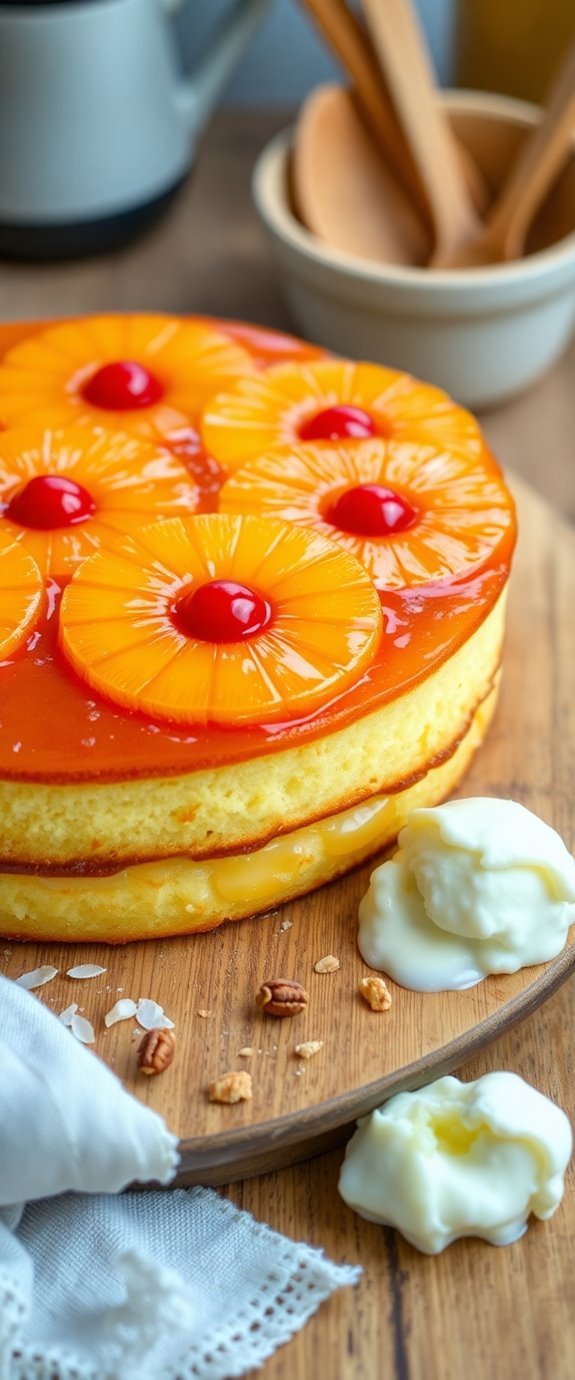
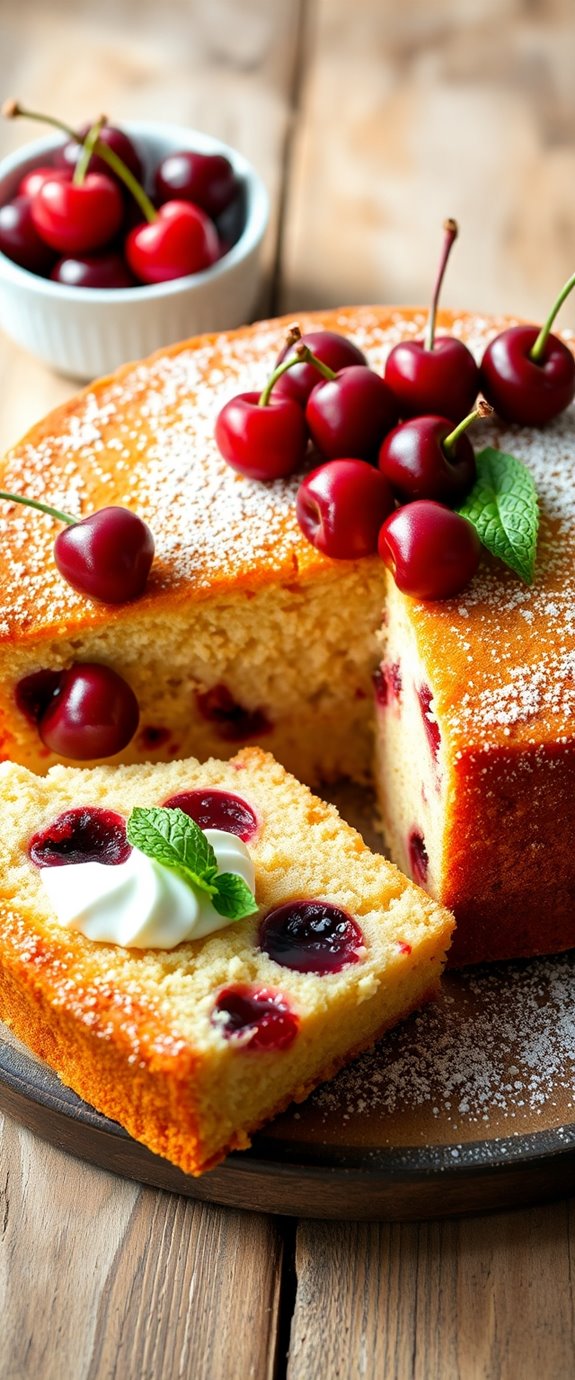
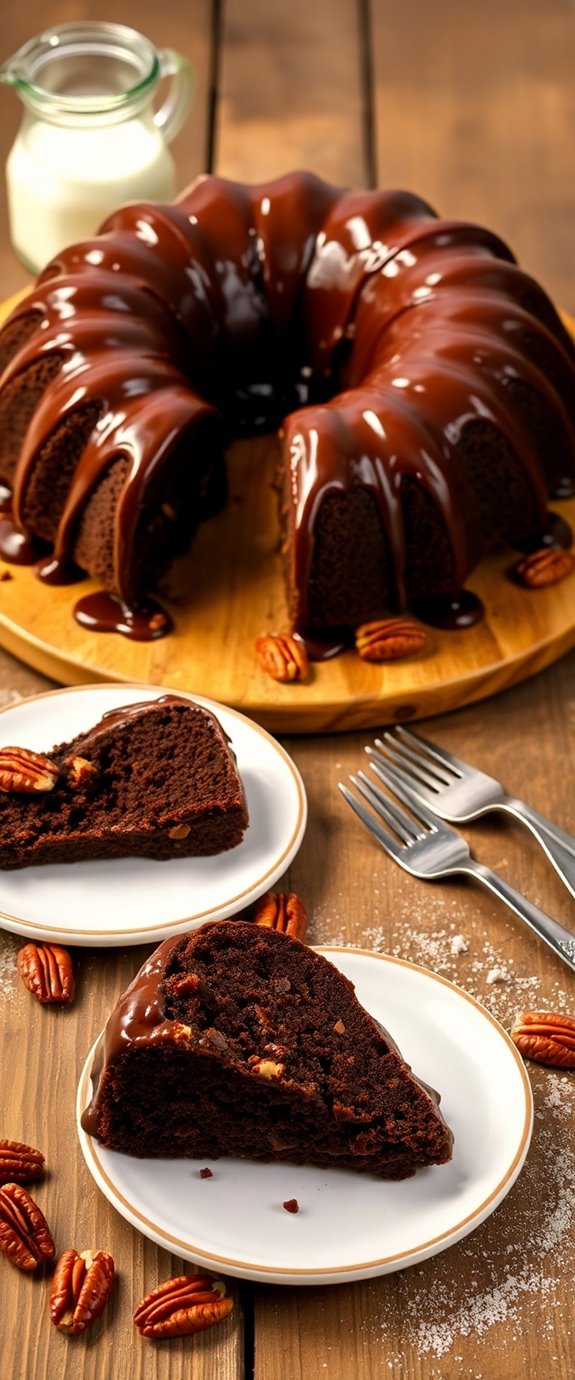
Imagine a slice of golden, fluffy castella, its delicate layers beckoning you to take a bite. This traditional Japanese sponge cake, with its subtle sweetness and airy texture, is a perfect treat for any occasion. You might wonder how to recreate this delightful dessert in your own kitchen. Let's explore the steps, tips, and variations that will make your castella a standout at your next gathering.
Recipe Tips and Tricks
- Castella is a traditional Japanese sponge cake, known for its fluffy texture and mild sweetness, perfect for tea time or dessert.
- Essential ingredients include eggs, sugar, flour, honey, milk, and unsalted butter, with options for flavors like matcha or sweet potato.
- The baking process involves whisking eggs and sugar, folding in flour, and combining with wet ingredients before baking at 320°F (160°C) for 30-35 minutes.
- Pair castella with green tea or yuzu beverages, and store leftovers in an airtight container, refrigerating for freshness.
- Explore various flavors and presentation styles, making castella a versatile treat for any occasion or celebration.
How To Make It – Recipe

To make a traditional Japanese cake, also known as "castella," you'll need a few basic ingredients and some patience. This fluffy and slightly sweet sponge cake has a unique texture and flavor that make it a favorite in Japan. Originating from Portugal, castella has been adapted over the years to become a beloved treat in Japanese culture. It's perfect for tea time or as a dessert for any occasion. Additionally, the use of high-quality ingredients is essential for achieving the cake's signature lightness and flavor.
The process of making castella involves simple techniques, but achieving the perfect rise and texture requires careful attention. The use of high-quality ingredients, such as eggs and sugar, is essential for flavor and lightness. Once you've gathered everything you need, you'll find that the method is straightforward, allowing you to create a delicious cake that will impress your family and friends.
Ingredients:
- 4 large eggs
- 1 cup granulated sugar
- 1 cup all-purpose flour
- 1/4 cup honey
- 1/4 cup milk
- 1/4 cup unsalted butter, melted
- 1/2 teaspoon vanilla extract
- A pinch of salt
To begin making the cake, preheat your oven to 320°F (160°C) and line a rectangular cake pan with parchment paper. In a large mixing bowl, combine the eggs and sugar, then whisk together until the mixture becomes thick and pale.
Gradually fold in the flour, making sure there are no lumps. In a separate bowl, mix the honey, milk, melted butter, and vanilla extract. Slowly incorporate this wet mixture into the egg and flour mixture, stirring gently to maintain the airiness of the batter.
Pour the batter into the prepared cake pan and bake for about 30-35 minutes or until a toothpick inserted into the center comes out clean. Allow the cake to cool in the pan for a few minutes before transferring it to a wire rack to cool completely.
When making castella, it's important to verify that your ingredients are at room temperature for the best results. Additionally, be careful not to overmix the batter, as this can lead to a denser cake.
You can also experiment with flavors by adding matcha powder or cocoa for a twist on the classic recipe. Finally, wrapping the cooled cake in plastic wrap and allowing it to rest overnight in the refrigerator will enhance its moisture and flavor, making it even more enjoyable.
Substitution Suggestions
While making castella, you might find yourself missing a few ingredients or wanting to tailor the recipe to your personal taste.
If you're out of all-purpose flour, try using almond flour or coconut flour for a gluten-free option. These flour alternatives not only change the texture but also add a unique flavor.
For dairy substitutions, you can replace milk with almond milk or oat milk, making your cake lighter and suitable for lactose intolerance. Additionally, using lactose-free cake recipes can help you discover more delicious options that cater to your dietary needs.
Don't hesitate to experiment with these options; your castella can still be fluffy and delicious while catering to your dietary needs!
Enjoy baking!
Decorating Ideas
Once you've perfected your castella, it's time to think about how to make it visually appealing.
Consider using traditional Japanese motifs like cherry blossoms or waves to create an elegant design. You can incorporate seasonal themes by adding edible flowers in spring or autumn leaves made from fondant.
A light dusting of matcha powder adds a pop of color and flavor. For a unique touch, drizzle a sweet soy glaze or serve with fresh fruit. Additionally, you can enhance the presentation by adding delicious blueberry cake as a complementary dessert to your spread.
Serving Suggestions
When serving your beautifully crafted castella, consider pairing it with a delicate green tea or a revitalizing yuzu-infused beverage to enhance the flavors. These invigorating drinks complement the cake's light sweetness perfectly. For a charming presentation, slice the castella into small squares and arrange them on a decorative plate, perhaps garnished with edible flowers or seasonal fruits. You might also try serving it alongside a scoop of matcha ice cream for a delightful contrast in textures. Additionally, microwave cake recipes allow for quick and effortless baking, making it easy to enjoy delicious treats any time. Experiment with different cake pairings and serving styles to find your favorite combinations, making each occasion feel special and memorable.
Make-Ahead and Storage
To enjoy your castella at its best, you can make it ahead of time and store it properly.
This delightful cake has a shelf life of about three days at room temperature, but you can extend it by using freezing options. Wrap individual slices tightly in plastic wrap or aluminum foil, then place them in an airtight container. When you're ready to indulge, simply thaw the slices at room temperature or warm them gently in the microwave. This way, you'll always have a slice of Japan's exquisite cake ready to savor, no matter the occasion. Additionally, proper storage methods can help maintain the cake's moisture and flavor for an even more enjoyable experience.
Enjoy your delicious creation!
How to Store Leftovers
Although you might find it hard to resist finishing your castella in one sitting, knowing how to store leftovers properly will help you enjoy this delightful cake over a few days.
For effective leftover storage, wrap your cake tightly in plastic wrap or place it in an airtight container. This will maintain its moisture and prevent it from drying out.
Store it in the refrigerator to guarantee ideal cake preservation. When you're ready to indulge again, let it come to room temperature for the best flavor and texture. Additionally, using moisture retention techniques can further enhance the cake's freshness.
Trust me, savoring each slice over time is worth it!
Nutrition Facts(per serving)
Indulging in a slice of castella brings not just delightful flavors, but also important nutrition to the table. Each serving typically contains around 140 calories, making it a satisfying treat without overwhelming your diet.
The ingredient breakdown reveals a harmonious blend of eggs, sugar, flour, and honey, contributing proteins, carbohydrates, and natural sweetness. You'll appreciate the light texture and moistness, thanks to the whipped eggs that boost its airy quality.
While enjoying your slice, you're also fueling your body with essential nutrients, making castella a sweet yet mindful choice for dessert. It's a delightful balance of indulgence and nutrition! Additionally, the cake's authentic ingredients celebrate traditional flavors that enhance its overall appeal.
Final Thoughts
As you savor a slice of castella, it's clear that this traditional Japanese cake is more than just a delightful treat; it's a celebration of texture and flavor.
Its cultural significance runs deep, often served during special occasions and festivals, reflecting Japan's rich culinary heritage.
You might explore various flavor variations, from matcha to sweet potato, each offering a unique twist on the classic recipe. The Japanese cake recipe showcases the delicate balance of ingredients that make this dessert truly special.
Whether you're baking it for a gathering or enjoying it alone, castella embodies a piece of Japan's heart.
Recipe FAQs
What Are the Main Types of Japanese Cakes?
When exploring Japanese cakes, you'll discover delightful varieties like Castella cake, a soft sponge treat, and Mochi cake, chewy and sweet. Each offers a unique texture and flavor that's sure to tantalize your taste buds.
Can I Use Gluten-Free Flour for This Recipe?
Yes, you can use gluten-free flour for this recipe! Just make certain it's a suitable blend. Flour substitutes like almond or coconut flour also work well, but they might change the texture and flavor slightly. Experiment and enjoy!
How Long Does It Take to Bake a Japanese Cake?
When you bake a Japanese cake, you typically need about 25 to 35 minutes. This baking time guarantees a light, fluffy texture that melts in your mouth, making it a delightful treat to enjoy!
Are There Traditional Japanese Flavors Used in Cakes?
You might think traditional Japanese cakes are bland, but they're bursting with flavor! You'll love the rich matcha infusion and the subtle sweetness of red bean, creating a delightful harmony that surprises every taste bud.
What Tools Do I Need to Make a Japanese Cake?
To make a Japanese cake, you'll need essential Japanese baking tools like a bamboo steamer and a cake ring. Mastering cake decoration techniques with smooth icing and delicate designs will elevate your creation beautifully.